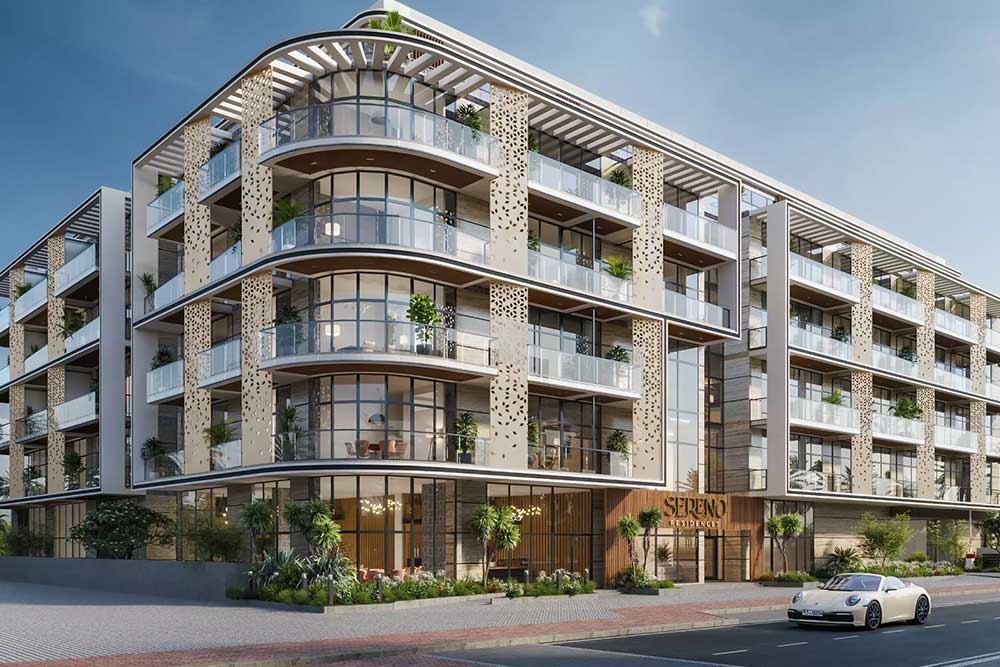
Dubai’s real estate market remains one of the most active in the world, drawing first-time buyers, families, and international investors. Off-plan properties—homes purchased before construction is finished—continue to dominate transactions, accounting for roughly 70–75% of residential sales in the first half of 2026. Within this segment, more affordable options in emerging and mid-market communities have become particularly popular for those seeking modern living spaces with long-term potential.
This guide explains what “affordable” off-plan property actually means in today’s market, highlights the most relevant areas, outlines genuine advantages and risks, and offers practical steps for making an informed decision.
What “Affordable” Off-Plan Means in 2026
In Dubai, “affordable” is relative. As of mid-2026, entry-level off-plan studios and one-bedroom apartments in growing communities typically start in the range of AED 500,000–900,000, with some projects launching near AED 560,000 in Dubai South. Two-bedroom units and townhouses generally begin higher, often from AED 1 million upward depending on location and finishes.
These prices are significantly lower than prime waterfront or branded residences in Downtown, Dubai Marina, or Palm Jumeirah, which frequently exceed AED 2–3 million for similar-sized units. Affordable off-plan usually refers to well-located apartments, studios, and family homes in master-planned communities that still offer modern amenities, solid infrastructure plans, and reasonable entry costs.
Buyers purchase during the early or mid-construction phase, often with flexible payment plans (commonly 20–40% during construction and the balance on or after handover). Funds are protected through RERA-regulated escrow accounts. Ownership is freehold in designated areas, available to foreign nationals without residency requirements.
Why Buyers Choose Affordable Off-Plan Properties
Several practical advantages drive demand:
- Early pricing and selection: Launch prices are often lower than completed units in the same community. Buyers can choose preferred layouts, floors, and views before the best options sell out.
- Modern specifications: Newer projects typically include efficient floor plans, smart-home features, energy-efficient designs, and community amenities such as parks, pools, gyms, and retail.
- Payment flexibility: Spreading payments over construction reduces the immediate capital outlay compared with buying ready property.
- Growth potential in emerging areas: Communities still developing infrastructure, transport links, and commercial zones can see improved demand and values as they mature—though this is never guaranteed.
- Rental and lifestyle appeal: Many of these locations attract tenants (young professionals, families, and airport/Expo-related workers), supporting potential rental income once the project hands over.
These benefits are real, but they come with important conditions.
Best Areas for Affordable Off-Plan in 2026
Dubai South
This is currently one of the strongest locations for volume and entry-level pricing. It benefits from proximity to Al Maktoum International Airport (under major expansion) and Expo City Dubai. In the first half of 2026 it led off-plan apartment sales with more than 7,300 transactions. Studios and apartments frequently launch from around AED 560,000. The area is designed as a mixed-use city with residential, commercial, and recreational zones. Long-term infrastructure potential is clear, though some parts remain under development and feel less mature than established neighbourhoods.
Jumeirah Village Circle (JVC)
JVC is more established, with parks, schools, restaurants, and retail already in place. It continues to see strong off-plan and ready sales activity and attracts both end-users and investors because of consistent rental demand. New projects still offer modern apartments at relatively accessible prices compared with central districts. It suits buyers who want community amenities sooner rather than later.
Dubai Land (Dubailand)
This large zone offers a wide mix of residential projects, entertainment options, and improving connectivity. It appeals to buyers seeking variety and space at more moderate price points. Infrastructure expansion supports long-term appeal, though project quality and exact location within Dubai Land vary significantly.
Dubai Investment Park (DIP)
DIP combines residential communities with commercial and industrial zones and good road links. It is often cited among the more value-oriented freehold areas, with relatively lower price-per-square-foot figures and family-friendly environments. It works well for buyers prioritising practical living costs and proximity to employment hubs.
Other pockets such as parts of Arjan, International City, and certain outer communities also appear in affordable searches, but the four areas above currently balance price, activity, and future plans most consistently.
Key Factors Before You Buy
- Developer reputation – Review completed projects, on-time delivery history, and any past issues. Established names tend to command more confidence; newer or smaller developers require extra scrutiny.
- Exact location within the community – Proximity to metro, major roads, schools, retail, and green spaces affects both livability and future demand.
- Payment plan and total cost – Look beyond the headline price. Factor in registration fees, service charges, and any post-handover payments.
- Escrow and legal protection – Confirm the project is RERA-registered and uses a proper escrow account. Registration through the Oqood system provides interim protection.
- Your own goals – End-user home, pure investment, or a mix? Rental yield expectations should be conservative (gross yields of 6–9% are commonly discussed in affordable segments, but net figures after costs are lower).
- Market timing and supply pipeline – Dubai delivered a large number of units in 2026. Understanding upcoming supply in your chosen area helps set realistic expectations.
Working with a licensed advisor who provides transparent comparisons across multiple projects can reduce information asymmetry. Firms familiar with current off-plan inventory, developer track records, and community dynamics help filter options efficiently. Noor Ishraq UAE is one such firm active in the Dubai market, offering guidance on available developments, but buyers should always cross-check information independently and consider multiple sources.
Practical Next Steps
- Define your budget, preferred unit type, and time horizon clearly.
- Research recent transaction data via Dubai Land Department resources or reputable analytics platforms.
- Visit sales centres or request virtual tours, but treat presentations as marketing.
- Review the full sales and purchase agreement, payment schedule, and community rules.
- Verify freehold status and RERA registration for the specific project.
- Calculate all-in costs and stress-test potential rental income or resale scenarios.
Conclusion
Affordable off-plan properties in Dubai offer a legitimate route into the market for buyers who want modern homes or investment exposure at more accessible price points. Areas such as Dubai South, JVC, Dubai Land, and DIP currently provide the strongest combination of entry pricing, ongoing development, and lifestyle or rental appeal.
Success depends less on marketing claims and more on careful selection of developer, precise location, realistic expectations, and proper due diligence. When approached with clear goals and awareness of both opportunities and risks, these properties can form a solid part of a long-term residential or investment strategy in one of the world’s most dynamic real estate markets.
Always verify the latest project details, pricing, and regulatory status before committing, as conditions evolve. Independent research combined with professional advice remains the most reliable path to a confident purchase.
