
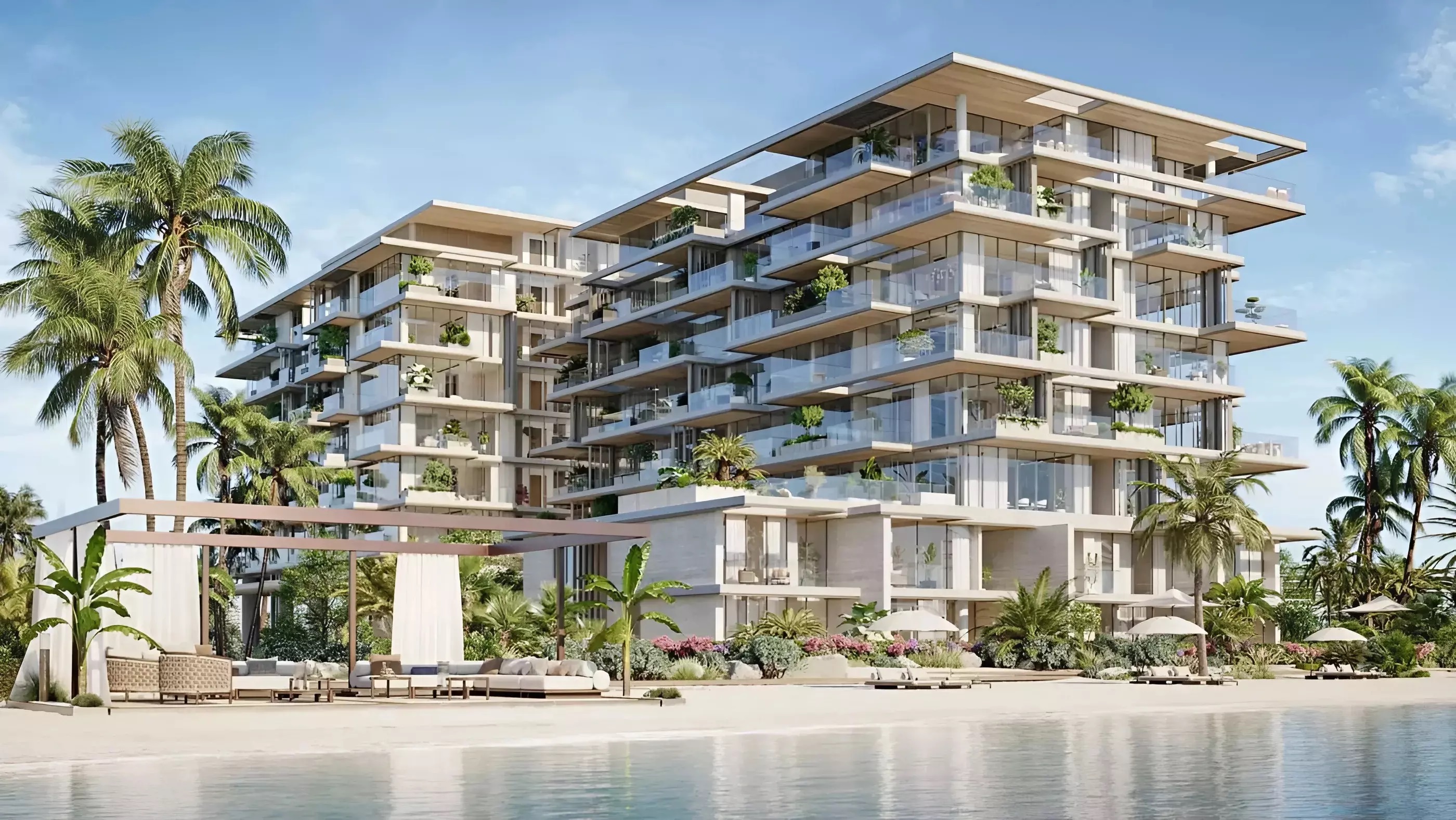
Dubai has developed one of the most visible waterfront residential markets in the world. High-rise apartments, branded residences, villas, and penthouses line parts of the coastline and man-made islands, offering sea views, resort-style amenities, and access to beaches, marinas, and promenades. For many international buyers, these properties combine lifestyle appeal with the possibility of long-term ownership in a freehold market open to foreigners in designated areas.
However, “beachfront” is not a single product. Quality of beach access, building management, service charges, view permanence, and future supply vary significantly from one community to another. Successful purchases depend less on marketing images and more on understanding location specifics, costs, and personal objectives.
Why Dubai Beachfront Attracts Global Buyers
Several structural factors support demand. Dubai Land Department rules allow eligible foreign nationals to own freehold property in designated zones, which include most major waterfront communities. The city continues to invest in coastal public spaces and recreational infrastructure under the Dubai 2040 Urban Master Plan, which aims to expand public beach length substantially and improve connections between waterfront areas and the rest of the city.
Lifestyle integration is another draw. Many developments combine residential towers or villas with swimming pools, gyms, landscaped areas, dining options, and either private or convenient beach access. For some buyers this creates a resort-like daily environment. For others it functions as a second home or a rental investment targeting professionals, families, and holiday users.
It is important to note that much of Dubai’s modern waterfront is the result of large-scale land reclamation rather than purely natural shoreline. While this has created extensive new residential opportunities, it also means supply is not as rigidly constrained as pure natural coastline would suggest. New islands and extensions continue to appear in the pipeline.
Lifestyle Reality of Beachfront Living
Living near the water can feel different from inland urban districts. Many residents value morning walks along promenades, direct or short-distance beach access, and sea or marina views. Modern designs frequently feature large balconies, floor-to-ceiling glass, and open-plan layouts that maximise light and outlook.
Amenities typically include communal pools, fitness centres, children’s facilities, and in some cases private or semi-private beaches. Dubai Harbour and surrounding developments illustrate how residences can sit alongside marinas, leisure facilities, and waterfront dining. Bluewaters offers a more compact, pedestrian-oriented mix of residential, retail, and entertainment uses close to Jumeirah Beach Residence.
Not every property marketed as beachfront delivers the same experience. Some towers sit directly on private sand reserved for residents. Others offer shared beach access, a short walk, or primarily sea views without exclusive shoreline rights. Crowding, sand quality, and maintenance standards also differ. Buyers should verify the precise nature of beach access rather than relying on general descriptions.
Key Locations for Beachfront and Waterfront Property
Palm Jumeirah
remains the most internationally recognised address. It offers a mix of apartments, villas, and branded residences with established infrastructure, hotels, restaurants, and beach clubs. Prestige and brand recognition support both end-user demand and liquidity, though prices reflect that status.
Emaar Beachfront
located within Dubai Harbour, is a gated island community developed by Emaar. It features multiple residential towers, a substantial stretch of private beach reserved for residents, and proximity to Dubai Marina. The private-beach element is a genuine differentiator for many buyers seeking exclusivity without the full Palm premium.
Dubai Islands
(developed by Nakheel) represents a large-scale emerging master plan of interconnected islands planned for beaches, resorts, residences, and leisure uses. As an earlier-stage destination, it offers newer product and potentially lower entry points relative to mature locations, but buyers should factor in the longer timeline for full community maturity, infrastructure delivery, and amenities.
Bluewaters Island
combines residential apartments with retail, dining, and entertainment attractions in a more compact setting close to JBR and Dubai Marina. It suits those who want waterfront living with immediate access to leisure facilities.
Each location has its own supply pipeline, service-charge levels, and tenant profiles. Comparing them side-by-side against specific goals is more useful than treating all waterfront property as equivalent.
Property Types Available
Apartments dominate high-rise waterfront developments. They usually provide shared amenities, professional building management, and a relatively lock-and-leave lifestyle that appeals to investors and second-home owners.
Penthouses offer larger floor plates, terraces, and elevated views, often at a significant premium.
Villas and townhouses appear in certain coastal or island communities and deliver greater privacy, outdoor space, and sometimes more direct beach or garden access. They generally suit families or buyers prioritising space over convenience of apartment living.
Branded residences (associated with hotel or lifestyle brands) emphasise design standards, services, and resort-style operations. These can command higher prices and service charges in return for the brand and operational support.
Investment Considerations – Balanced View
Waterfront locations can benefit from lifestyle demand and, in the strongest addresses, relative scarcity of comparable product. Rental interest may come from executives, families, and short-stay users (subject to applicable regulations).
Yet performance is not uniform. Key variables include:
- Actual beach quality and exclusivity
- Orientation and risk of future view obstruction
- Building quality and management
- Service charges (often higher in premium waterfront buildings and capable of reducing net yields materially)
- Community maturity and competing new supply
- Developer delivery track record
Gross yields in established waterfront stock frequently fall in the mid-single-digit range; net yields after service charges, maintenance, and vacancy are lower. Emerging master developments may offer capital growth potential if infrastructure and amenities materialise as planned, but they also carry longer uncertainty.
An attractive sea view alone is not a substitute for financial and practical due diligence.
Apartments versus Villas
Apartments generally suit investors seeking managed buildings, broader tenant pools, and easier exit. They also appeal to buyers who prefer lower day-to-day maintenance.
Villas prioritise privacy, space, and outdoor living. Families intending long-term occupation often prefer them, while pure investors may find apartments more liquid in many locations. Neither is inherently superior; alignment with intended use and budget matters more.
Critical Checks Before Buying
Buyers should systematically review:
- Freehold status and registration details via official Dubai Land Department channels
- Exact nature of beach access (private, shared, distance, quality)
- View corridors and surrounding master-plan development rights
- Developer history of on-time delivery and build quality
- Current and projected service charges
- Building management standards and facilities condition (for ready properties)
- Parking, daily conveniences, and transport links
- Rental regulations if short-term letting is part of the plan
- Total cost of ownership including transfer fees, agency commissions, and ongoing charges
For off-plan purchases, escrow protection exists under Dubai regulations, yet delays remain relatively common. Payment plans can lock capital for years without rental income. Comparing the specific project’s construction progress, payment schedule, and the developer’s past performance is essential.
Ready versus Off-Plan
Ready properties allow physical inspection of the unit, views, finishes, and community facilities. They suit buyers who want immediate use or clearer visibility of the finished product.
Off-plan properties can provide access to newer designs and earlier pricing in developing areas. They require greater reliance on the developer, master plan, and regulatory protections. Risk tolerance and timeline should guide the choice.
Dubai’s Longer-Term Coastal Strategy
The Dubai 2040 Urban Master Plan and related beach expansion initiatives (including projects such as the multi-kilometre Jebel Ali public beach) signal continued public investment in coastal access and recreational space. Improved infrastructure and public realm can support the broader attractiveness of nearby residential communities over time. Individual building performance still depends on micro-location factors.
Matching Property to Personal Goals
An investor focused on rental yield and liquidity may prioritise managed apartments in established, well-connected waterfront locations with proven tenant demand. A family seeking a primary home may place higher weight on privacy, schools, space, and everyday convenience. A holiday-home buyer might emphasise beach quality, restaurants, and resort amenities.
Clear objectives, realistic cost modelling (including service charges), and independent verification of claims in sales materials form the foundation of sound decisions.
Conclusion
Beachfront and waterfront properties in Dubai offer genuine lifestyle advantages and form a distinct segment of the market. Locations such as Palm Jumeirah, Emaar Beachfront, Bluewaters, and the developing Dubai Islands provide a range of options from established prestige addresses to newer master-planned communities.
The strongest outcomes come from treating marketing narratives with healthy scepticism, verifying beach access and costs in detail, understanding the difference between natural and reclaimed waterfront, and aligning the purchase with clear personal or investment goals. Professional advice from licensed brokers is useful, but it should complement—not replace—independent research and due diligence.
When approached carefully, Dubai’s coastal residential market can deliver both enjoyable living and credible long-term ownership prospects. The key is moving beyond the view and examining the full practical and financial picture.
