
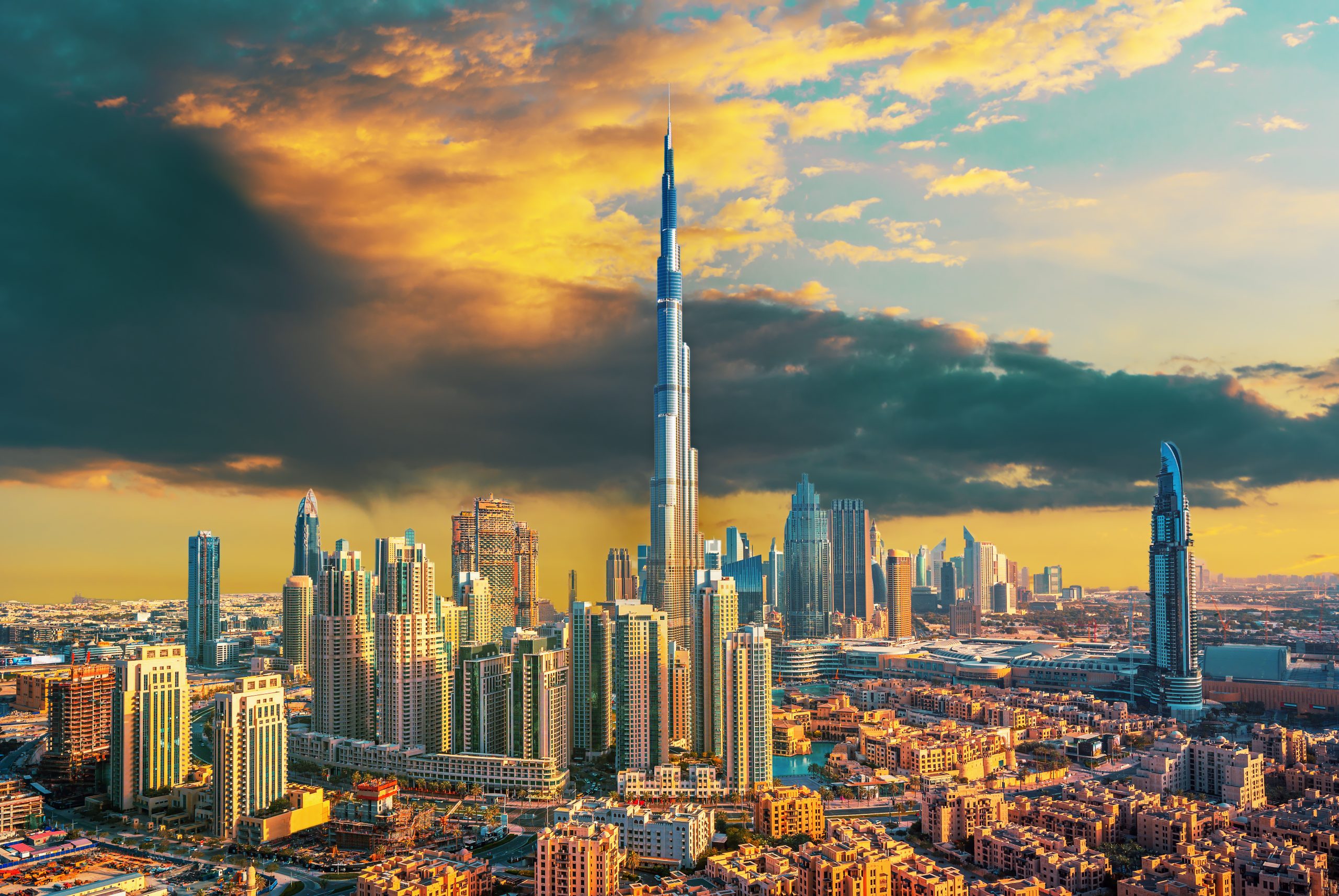
Dubai, the vibrant heart of the UAE, continues to captivate investors with its iconic skyline, innovative developments, and resilient economy. As we enter 2026, the city's property market remains a compelling option for those seeking diversification, though it has transitioned from the rapid post-pandemic surge to a more mature and stable phase. With population growth surpassing 4 million in 2025 and projections for sustained economic expansion around 5% in 2026, Dubai offers opportunities for both capital appreciation and rental income. However, success requires a nuanced understanding of current trends, realistic expectations, and careful selection of locations and property types.
This guide provides an updated, evidence-based overview of Dubai's real estate landscape. We'll cover the key reasons to invest, top locations based on recent market data, promising properties for the coming years, effective strategies, and emerging trends. Drawing from reports by firms like Knight Frank, Cushman & Wakefield, and Property Monitor, we aim to deliver practical insights for informed decision-making in a market that's normalizing rather than booming.
Why Invest in Dubai Real Estate?
Dubai's fundamentals remain strong, though 2026 brings a shift toward stability and selectivity. Transaction volumes were robust in 2025, but forecasts indicate moderated price appreciation amid higher supply.
Key Reasons to Invest:
Competitive Rental Yields
Dubai's average gross rental yield is approximately 6.7–6.8% citywide as of early 2026. Apartments typically deliver around 7–7.1%, while villas and townhouses average 4.9–5.5%. Higher yields (7–10%) are achievable in affordable or mid-market areas like Jumeirah Village Circle (JVC), Dubai South, or International City, where lower purchase prices and steady tenant demand boost returns. These figures outperform many global peers (e.g., London at 3–4% or New York at 2–3%), though yields have compressed slightly from peak levels due to rising property values outpacing some rent growth.
Tax Advantages
No property tax, capital gains tax, or inheritance tax for individual investors, maximizing net profits. This policy remains firmly in place.
Strategic Positioning
As a global hub for finance, tourism, logistics, and events, Dubai benefits from continuous expatriate inflows and major infrastructure like Al Maktoum International Airport expansions. This supports long-term demand for both residential and commercial spaces.
Golden Visa Program
Investments of at least AED 2 million in freehold property (one or multiple units) qualify for a 10-year renewable residency visa (or 5-year for certain categories). Family sponsorship is included, and mortgaged properties can qualify with sufficient equity (typically confirmed by the bank).
These advantages make Dubai appealing, but investors should adopt realistic expectations: price growth is projected at 1–3% in mainstream segments and 3–5% in prime areas for 2026 (per Knight Frank and similar analyses), reflecting a maturing market rather than continued rapid surges.
Top Investment Locations in Dubai
Dubai offers diverse neighborhoods suited to different goals—rental income, capital appreciation, or lifestyle appeal. Focus on established communities with strong fundamentals and emerging areas backed by infrastructure.
1. Dubai Hills Estate
A flagship Emaar master-planned community featuring villas, townhouses, and apartments surrounded by parks, a golf course, and international schools. Its central location provides easy access to Downtown Dubai and business hubs.
Why Invest?
High demand from families and professionals ensures stable occupancy and reliable rental income. Amenities enhance tenant appeal, supporting moderate but consistent growth in a well-developed area. Yields typically range 5–6%, with appreciation tied to overall market trends.
2. Dubai Creek Harbour
This waterfront district by Emaar is evolving into a new lifestyle and business hub, offering skyline views and modern living.
Why Invest?
Waterfront properties attract premium renters and buyers. Ongoing infrastructure (including potential landmark elements) positions it for mid-single-digit appreciation as it matures. Yields around 6–7% make it suitable for balanced income and growth strategies.
3. Emaar Beachfront
A luxury waterfront enclave near Palm Jumeirah, delivering high-end apartments with sea views and exclusive amenities.
Why Invest?
Strong appeal to executives and tourists drives rental demand in a prime beachfront setting. Proximity to Dubai Marina and other hotspots supports resilience. Yields are around 5.5–6.5%, with growth potential in the luxury segment.
4. Jumeirah Village Circle (JVC)
An affordable, family-friendly community with a mix of apartments, townhouses, and villas, popular among young professionals and families.
Why Invest?
High rental yields (often 7–8%) stem from competitive pricing and consistent demand. Access to schools, parks, and highways adds value. It offers stability in the mid-market, with modest appreciation expected.
Best Investment Properties in Dubai for 2026 and Beyond
Emerging developments align with Dubai's long-term vision for sustainable urban growth. With significant supply entering the market (over 90,000 units projected in coming years), prioritize projects with reputable developers and strong location drivers.
5.Emaar South
Positioned near Al Maktoum International Airport, this master community blends residential, commercial, and logistics elements in a key growth corridor.
Why Invest?
Airport and Expo-related expansions fuel future demand from aviation and business sectors. Affordable pricing supports higher yields (up to 8–10% in some segments). Long-term appreciation is promising, though nearer-term growth may be gradual.
6.The Valley by Emaar
Located in Dubailand, it provides spacious, affordable townhouses and villas with planned parks, schools, and retail.
Why Invest?
Targets families and first-time buyers with value-driven pricing. Community amenities promote strong rental potential. It offers upside in a stabilizing market, with expected modest growth.
7.Palm Jebel Ali
Nakheel's revived mega-project features luxury waterfront villas, apartments, and resorts on an artificial island.
Why Invest?
Exclusive beachfront lifestyle with planned high-end amenities appeals to affluent buyers. Infrastructure and selected cluster construction are progressing, but the project remains in early-to-mid stages—realistic handovers start around 2027–2028 (phased, with some clusters potentially later). This makes it a longer-term speculative investment focused on capital appreciation rather than immediate income.
Investment Strategies to Maximize Returns
1. Buy-to-Let Properties
Purchase ready or near-ready units in high-demand areas (e.g., JVC or Dubai Marina) for steady rental cash flow. Focus on tenant demographics and occupancy rates. This strategy suits income-focused investors, with yields providing reliable returns while awaiting appreciation.
2. Off-Plan Investment
Buy before completion to secure lower entry prices and flexible payment plans (now often 60/40 or 70/30 structures in 2026, replacing ultra-long 1% monthly options). Potential gains upon handover remain possible in strong projects.
Key Considerations:
Weigh risks including construction delays, market shifts during the build period, or changes in developer execution. Choose established developers with proven track records, and conduct thorough due diligence (RERA approvals, escrow protections). Off-plan suits patient, growth-oriented investors but requires contingency planning.
3. Luxury Real Estate Investment
Target premium waterfront or iconic developments (e.g., Emaar Beachfront or select Palm areas) for high-net-worth appeal. These prioritize capital appreciation over immediate high yields, benefiting from Dubai's status as a global luxury destination.
Real Estate Market Trends and Insights
Luxury Segment Demand
Waterfront and prime properties continue to attract international buyers, supporting resilience in high-end areas despite overall moderation.
Affordability Focus
Mid-market and value communities (JVC, The Valley, Dubai South) draw families and professionals amid stabilizing prices, offering better yield opportunities.
Supply and Market Balance
Increased deliveries may soften rents and prices in some segments, leading to more selective buying. Short-term rentals (e.g., Airbnb) show strength in tourist zones, sometimes outperforming long-term leases.
Overall Outlook
2026 emphasizes quality over quantity: location, developer reputation, and tenant appeal drive performance. No major downturn is anticipated, but returns are more measured.
Conclusion
Dubai's real estate market in 2026 offers solid opportunities through competitive yields, tax benefits, and strategic positioning, though it rewards careful, research-driven choices in a maturing environment. Whether prioritizing rental income in affordable areas or long-term growth in emerging luxury spots, align investments with your risk tolerance, timeline, and goals. Consult professionals, review the latest reports from Dubai Land Department, Property Monitor, or Knight Frank, and consider personal circumstances before proceeding. With disciplined strategy, Dubai remains a compelling global investment destination for sustainable wealth building.
