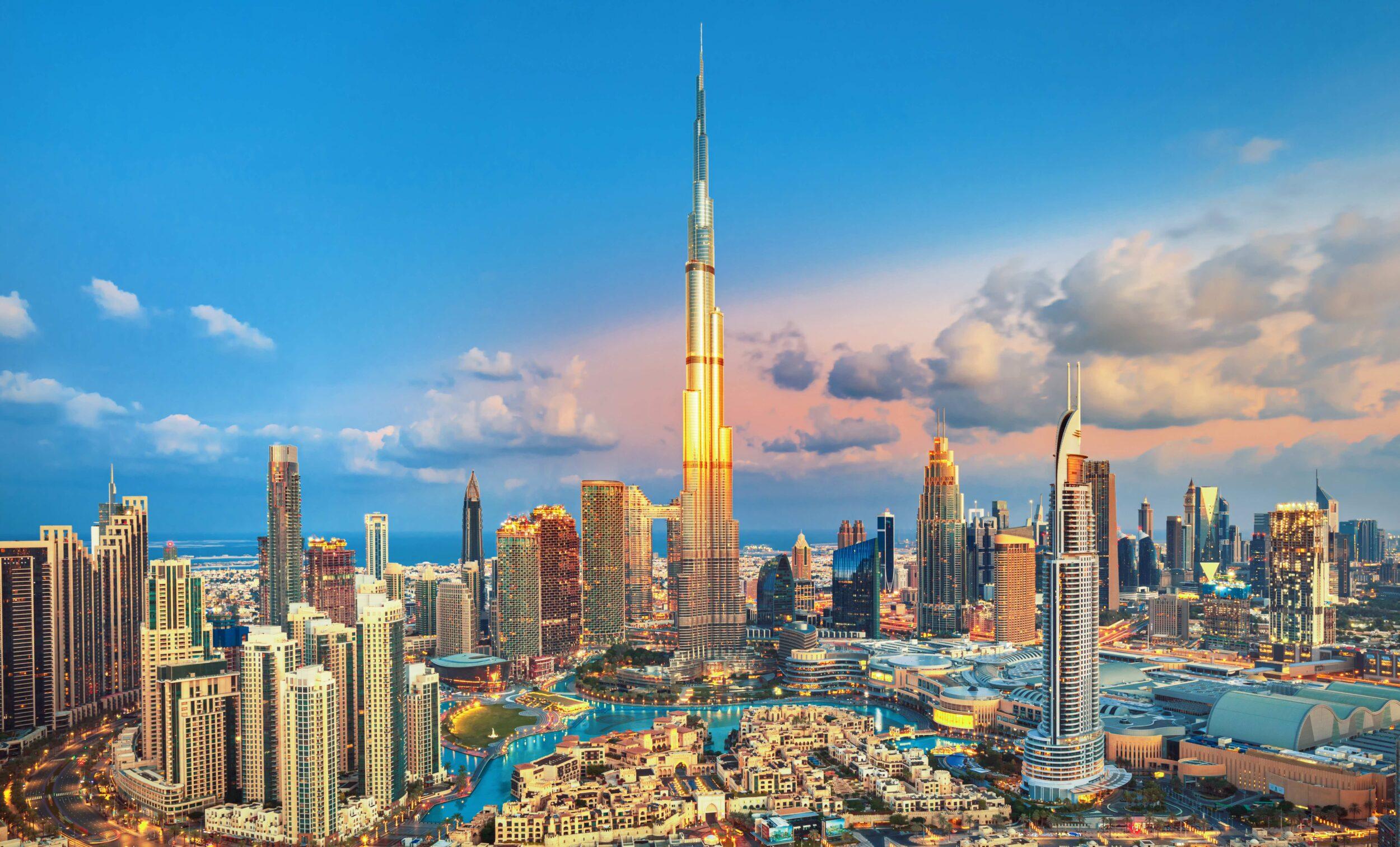
Dubai’s real estate market continues to draw global investors in 2026, blending resilient demand, exceptional infrastructure, and strong long-term fundamentals. After several years of rapid, post-pandemic expansion, the market has entered a more mature and balanced phase. Steady population growth—now exceeding 3.6 million residents and projected to approach 4 million—continues to absorb a substantial new supply influx (estimated at 100,000–160,000 residential units entering the market in 2026, per Knight Frank's tracking of registered projects). This dynamic supports sustainable growth rather than explosive short-term gains, making Dubai an appealing destination for quality, well-researched investments.
Rental yields remain among the world's highest, typically ranging from 6-8% gross in popular areas (with some mid-market zones like Jumeirah Village Circle reaching 7.5-10%, and central/waterfront segments at 6-8%, according to REIDIN and Global Property Guide data as of late 2025/early 2026). The UAE's tax-free environment—no personal income tax, capital gains tax, or annual property taxes for individual investors—further enhances net returns. Economic resilience, fueled by diversification, tourism recovery, and expatriate inflows, underpins confidence, with GDP growth forecasts around 5% for 2026.
In this comprehensive guide, we examine standout property developments for investors eyeing 2026 and beyond. These communities offer diverse options—from luxury waterfront residences to spacious family suburbs—with realistic outlooks for moderate capital appreciation (Knight Frank projects ~3% in prime segments and ~1% in mainstream by end-2026; Cushman & Wakefield Core forecasts mid-single-digit levels of 5-8% in some scenarios) alongside solid rental income. Emphasis is on established developers like Emaar and Sobha, proven locations, and communities that prioritize livability, amenities, and absorption potential amid rising supply.
Why Invest in Dubai Real Estate in 2026?
Dubai's core strengths persist, even in a maturing cycle:
Competitive Rental Yields:
Gross yields of 6-8% (apartments often higher than villas) are driven by ongoing tourism, short-term rental demand via platforms like Airbnb, and steady expatriate arrivals. While rental growth is moderating to 3-6% annually due to new inventory, high-absorption areas maintain strong performance. Mid-market and family-oriented zones show particular resilience.
Tax-Free Benefits:
Individual investors retain full rental income and capital gains without UAE taxation, a major edge over many global markets.
Population & Economic Drivers:
Dubai's population surge (adding ~200,000+ residents annually in recent years) fuels end-user demand for homes, schools, and workplaces. Economic stability, infrastructure megaprojects (e.g., metro expansions, airport enhancements), and global appeal as a business/tourism hub support long-term value.
Balanced Supply-Demand Outlook:
Record 2025 transactions (over 205,000 deals worth AED 544+ billion, per Knight Frank Q4 2025) give way to moderated price growth in 2026. Prime segments may see ~3% appreciation, mainstream ~1%, with villas outperforming apartments in many forecasts. Increased supply tests absorption, favoring premium, well-located projects from reputable developers over speculative off-plan plays in oversupplied pockets.
Risk Considerations:
Investors should monitor absorption rates, developer track records, and geopolitical/economic factors. Quality locations with strong amenities and connectivity are best positioned to weather any localized softening.
These factors make 2026 ideal for strategic, patient investing focused on yield stability and gradual appreciation.
Top Property Developments in Dubai for 2026 Investors
Sobha Hartland – Luxury Villas & Apartments
Nestled in Mohammed Bin Rashid Al Maktoum City (MBR City), Sobha Hartland offers premium villas, apartments, and townhouses surrounded by vast green spaces, lagoons, and family-centric amenities. Its strategic position near Burj Khalifa, Dubai Mall, and major highways provides serene living with urban convenience.
Why Invest?
Sobha Realty's strong 2025 performance (AED 30 billion in sales) continues into 2026, with Sobha Hartland II (an 8-million-sq-ft expansion) featuring clusters like Riverside Crescent, Skyscape, and Skyvue. Phase 1 is fully operational, delivering real rental data and resale liquidity. Ongoing phases (e.g., Sobha Hartland 2 deliveries targeted for late 2026–2027) appeal to long-term residents and investors seeking steady appreciation and reliable yields in a high-demand growth corridor.
Emaar Beachfront – Waterfront Luxury Living
Situated on Dubai Harbour near Palm Jumeirah, this exclusive island community delivers high-end apartments and penthouses with direct private beach access, panoramic sea views, yacht clubs, retail, dining, and leisure facilities. New tower launches are anticipated in early 2026 (e.g., branded residences with handovers from 2028–2029).
Why Invest?
Waterfront scarcity ensures premium positioning and high short-term rental potential from tourism and seasonal residents. Limited beachfront supply provides resilience against broader market supply increases, supporting solid long-term capital value and yields in a tourism-driven segment.
Dubai Creek Harbour – Modern Waterfront & Urban Living
Emaar's flagship master community integrates apartments, townhouses, and villas with creekfront views, extensive parks, retail hubs, entertainment districts, and excellent connectivity to the skyline.
Why Invest?
As a key growth corridor, it benefits from strong underlying demand and rental yields. The Dubai Creek Tower—a redesigned landmark—gained revival momentum in early 2026, with Emaar issuing a construction tender within months (focus on aesthetics, integration, and visitor experience; completion likely post-2028). While not an immediate catalyst, it bolsters long-term prestige and appeal for patient investors in this evolving waterfront destination.
The Valley – Family-Friendly Suburb
Located along Al Ain Road, this Emaar development prioritizes spacious villas and townhouses, expansive parks, cycling tracks, community centers, retail, and easy access to Dubai Silicon Oasis, Dubai International Airport, and Downtown. New phases (including additional townhouse clusters and master-plan expansions) continue rolling out in 2026.
Why Invest?
Affordable compared to central luxury zones, it targets growing family demand for rentals and ownership. Proximity to employment hubs and emphasis on livability make it practical in a market shifting toward sustainable, community-driven options over speculation.
Dubai Hills Estate – Premium Community Living
This expansive 2,700-acre master-planned community by Emaar features luxurious villas, townhouses, apartments, the championship Dubai Hills Golf Club, top schools, hospitals, Dubai Hills Mall, and green spaces. Ongoing expansions include new retail, leisure components, and infrastructure integrations (e.g., metro links).
Why Invest?
A proven blend of luxury and convenience attracts families and high-net-worth buyers. Strong rental yields (often 5-7% for villas/townhouses, higher in managed apartments) and gradual appreciation are supported by continuous enhancements and end-user demand.
MBR City – Expansive Urban Luxury
One of Dubai's largest integrated developments, MBR City offers villas, apartments, lush landscapes, and self-sustained amenities including schools, hospitals, parks, retail, and proximity to Downtown, Dubai Opera, and Business Bay.
Why Invest?
Its massive scale and phased rollout ensure sustained demand and value growth. Strategic location near economic hubs positions it well for long-term appreciation and rental stability in a maturing market.
Conclusion
In 2026, Dubai's real estate market presents mature, opportunity-rich prospects—driven by demographics, world-class infrastructure, and global competitiveness—while embracing sustainable, balanced growth. High-quality developments in prime, well-planned communities continue to offer attractive rental yields (6-8%+ in many cases) and moderate capital appreciation, though success depends on location, developer strength, and realistic expectations amid increased supply.
Whether seeking luxury waterfront escapes, family suburbs, or urban-integrated living, Dubai delivers resilient, diverse choices. Investors should conduct thorough due diligence, consult licensed real estate professionals, review the latest Dubai Land Department data and reports from firms like Knight Frank or Cushman & Wakefield, and consider personal risk tolerance. Market conditions evolve, but Dubai's fundamentals remain compelling for informed, long-term strategies.
