
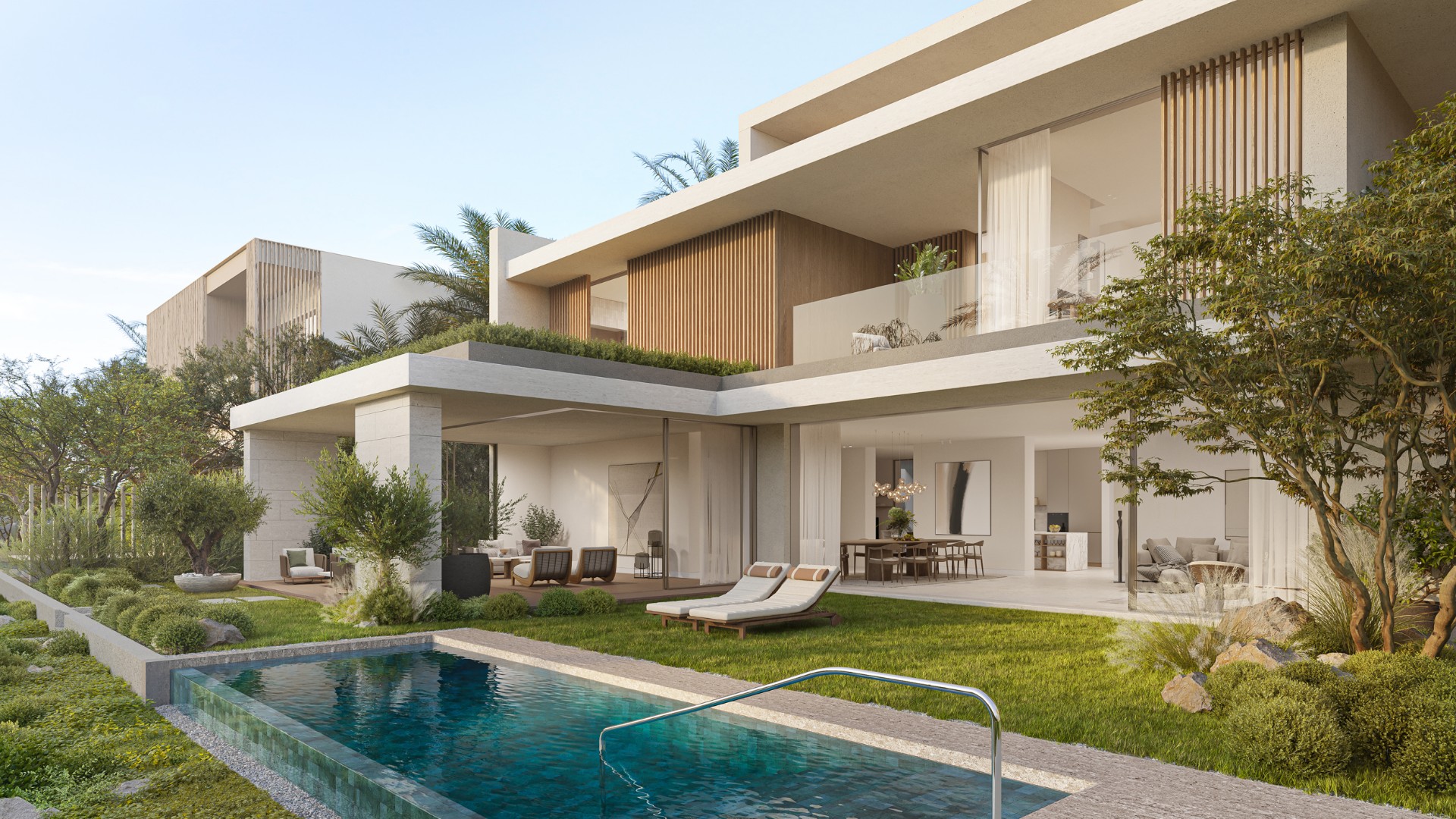
Dubai's real estate market has been one of the world's top performers in recent years, driven by strong population growth, economic diversification, and investor-friendly policies. As we enter 2026, the sector is transitioning into a more mature phase after record-breaking activity in 2025, when sales exceeded AED 682 billion. Off-plan properties—those purchased before completion—continue to play a significant role, offering unique advantages but also requiring careful evaluation amid evolving market dynamics.
This guide explores the current state of Dubai's off-plan market in 2026, highlighting benefits, risks, key trends, and strategic advice for investors.
What Are Off-Plan Properties?
Off-plan properties are bought directly from developers during the planning or construction phase, often years before handover. Buyers typically pay in installments tied to construction milestones, with full ownership transferred upon completion.
In Dubai, off-plan sales have dominated recent transactions, accounting for around 70% of residential deals in 2025. This preference stems from attractive pricing and payment flexibility, though the segment is now facing greater scrutiny as the market matures.
Advantages of Investing in Off-Plan Properties in 2026
Despite a shift toward selectivity, off-plan investments remain appealing for several reasons:
Flexible Payment Plans:
Developers continue to offer structured plans, such as 60/40 or 80/20 (with post-handover options), reducing upfront costs and making entry more accessible compared to ready properties.
Potential for Capital Appreciation:
Early buyers can benefit from price increases during construction. In strong projects, appreciation of 10-20% before handover is possible, particularly in prime or emerging areas with infrastructure upgrades.
Lower Entry Prices:
Off-plan units are often priced 10-20% below comparable ready properties at launch, providing a built-in discount.
Choice and Customization:
Buyers can select preferred units, views, or layouts early, with some developers offering minor customization options.
Competitive Rental Yields Post-Handover:
Dubai's average gross yields remain strong at 6-8%, higher in mid-market areas (7-9%) and competitive globally.
These benefits are most pronounced in projects from reputable developers like Emaar, DAMAC, Sobha, and Nakheel.
Key Market Trends in 2026
Dubai's real estate market is entering a balanced phase in 2026, with moderated growth following explosive gains in prior years.
Supply Pipeline:
Significant handovers are expected, with estimates ranging from 60,000-120,000 units (analysts like Knight Frank and CBRE suggest around 66,000-70,000 realistic deliveries, accounting for delays). This influx primarily affects mid-market apartments in areas like Jumeirah Village Circle (JVC), Business Bay, Dubai South, and Dubailand.
Price Growth:
Overall appreciation is forecast at moderate levels—3-8% in prime segments, potentially flat or softening (up to 10-15% correction) in high-supply mid-market areas. Luxury and villa segments remain resilient due to limited supply.
Rental Dynamics:
Yields stay attractive (6-9%), but growth may slow or soften seasonally in oversupplied districts, with average vacancy around 12%.
Demand Drivers:
Population growth (approaching 4 million), HNWI inflows, and infrastructure projects (e.g., Metro expansions, Etihad Rail) support long-term fundamentals. End-user demand is rising, favoring family-oriented communities.
Top Areas for Off-Plan Investment in 2026
Selectivity is key—prime and undersupplied locations outperform. Recommended areas include:
Prime/Luxury:
Palm Jumeirah, Dubai Hills Estate, Downtown Dubai, Dubai Creek Harbour—strong appreciation (3-8%), limited supply, high resale demand.
Family-Oriented:
Arabian Ranches, Dubai Hills Estate, Emaar South—resilient villas/townhouses with lifestyle appeal.
Emerging/Value:
JVC, Dubai South, Al Furjan—higher yields (7-9%), affordability, but higher supply risk; focus on quality projects.
Waterfront/Branded:
Emaar Beachfront, Dubai Islands—premium growth potential.
Avoid over-reliance on high-volume pipelines without strong fundamentals.
Tips for Successful Off-Plan Investment
- Prioritize reputable developers.
- Conduct thorough due diligence: review escrow accounts, RERA registration, and past deliveries.
- Focus on long-term holding for rental income.
- Diversify across segments (e.g., prime for stability, mid-market for yield).
- Consult licensed agents for data-driven insights.
Conclusion
Off-plan properties in Dubai present viable opportunities in 2026 for investors seeking flexible entry and potential returns, supported by the city's robust fundamentals. However, the market has matured—success now depends on selectivity, focusing on prime locations, reputable developers, and projects aligned with long-term demand. While flexible plans and competitive yields remain advantages, risks from supply increases warrant caution in non-prime segments.
For long-term investors with proper due diligence, 2026 can deliver solid, sustainable returns in one of the world's most dynamic real estate markets.
