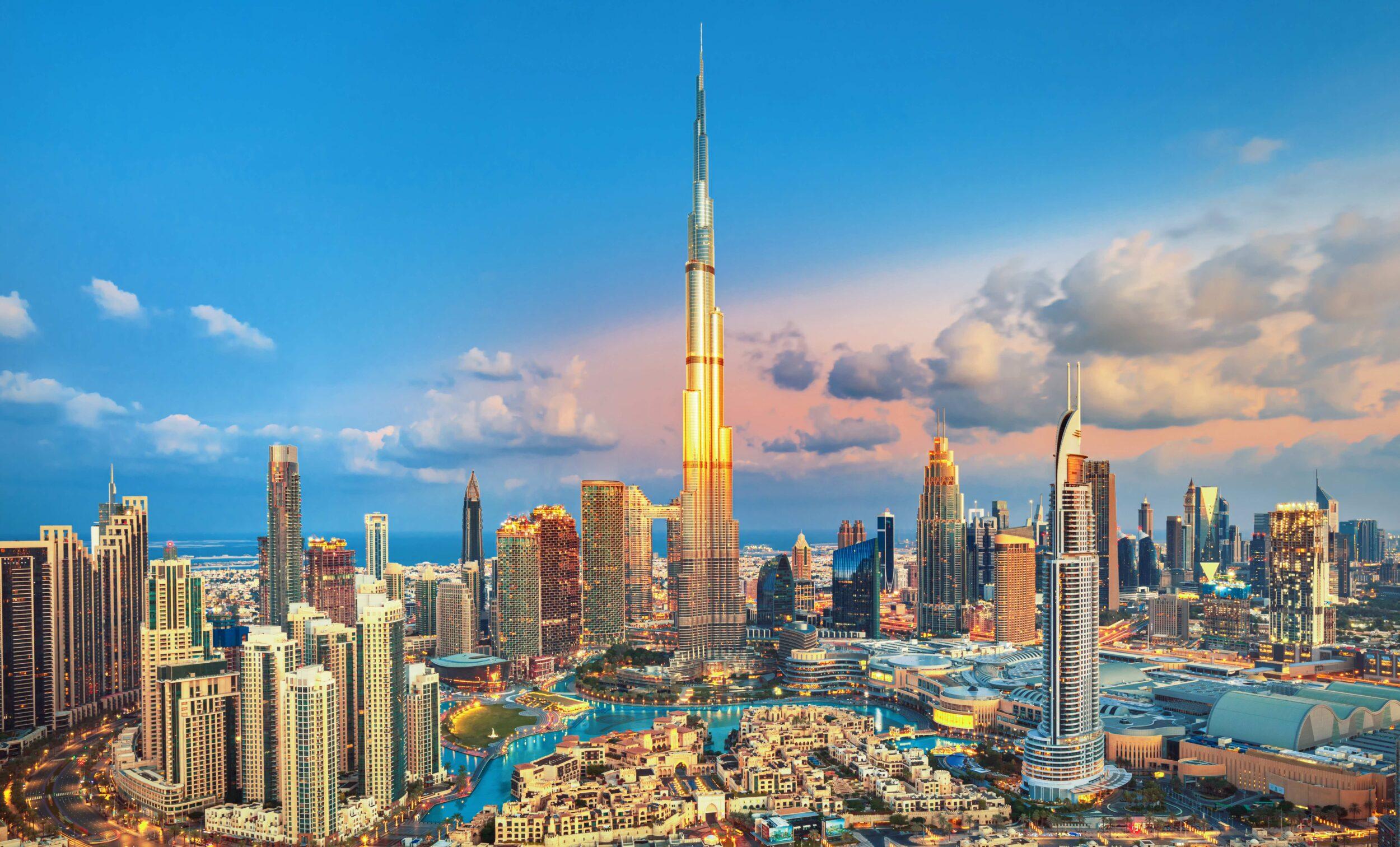
Dubai continues to rank among the world’s most attractive real estate markets, drawing investors with its tax-free environment, strong expatriate demand, world-class infrastructure, and diverse lifestyle options. For those seeking stability, rental income, or long-term growth, the city offers opportunities across luxury, mid-market, waterfront, and emerging communities.
However, the Best Properties for Investment in Dubai in 2026 are not one-size-fits-all. Success depends on your goals—whether you prioritize high rental yields, capital appreciation, prestige, or a mix. The market has transitioned from the rapid price surges of 2023–2025 into a more measured phase in 2026, with moderating price growth and a significant supply pipeline expected. Smart selection based on fundamentals remains key.
This guide from Noorishraquae explains what truly makes a property investment-worthy, highlights realistic performance differences across areas and property types, and provides practical advice to help you navigate opportunities and risks effectively.
Why Dubai Remains a Compelling Property Market in 2026
Dubai’s appeal stems from its position as a global hub for business, tourism, innovation, and lifestyle. The city continues to attract professionals, entrepreneurs, families, and international capital, supporting steady housing demand across segments—from affordable apartments to premium villas and branded residences.
Robust infrastructure, including expanding metro lines, new entertainment districts, schools, and healthcare facilities, enhances long-term value. Master-planned communities add lifestyle benefits that help properties retain desirability for both tenants and end-users.
That said, the 2026 market is more selective than in previous years. While overall demand remains healthy, analysts note moderating price appreciation (expected around 8–12% in many segments) and potential pressure on rents in areas with high new supply. Investors who focus on location fundamentals, tenant demand, and realistic timelines tend to perform best.
What Makes a Property a Good Investment in Dubai Today
A strong investment property must deliver financially and strategically. Key factors include:
- Strong location with sustainable tenant demand
- Good connectivity to business, leisure, and transport hubs
- Reputable developer with a solid delivery track record
- Realistic rental yield or resale potential
- Community amenities that support occupancy
- Future growth drivers (infrastructure, master-plan maturity)
- Alignment with your target tenant or buyer profile
In 2026, demand-based decisions matter more than ever. Compact apartments near employment zones often suit young professionals and short-term rentals, while family-oriented villas and townhouses appeal to longer-staying residents seeking space and community.
Best Property Types for Investment in Dubai
Different asset classes serve different objectives. Here’s a realistic breakdown:
Apartments in Urban and Mid-Market Locations
Apartments remain the most popular choice for rental income, especially for first-time and overseas investors. Studios and one-bedroom units in well-connected areas typically deliver the strongest cashflow. In 2026, city-wide average gross rental yields for apartments hover around 6.8–7.5%, with higher returns (7.5–9%+) possible in affordable communities and lower yields (5–6.5%) in ultra-prime districts.
Villas and Townhouses in Family Communities
These properties suit investors targeting longer-term capital appreciation and stable occupancy. Family-oriented areas with parks, schools, and retail often see lower vacancy rates but generally deliver more modest yields (around 5–6.5%). They perform well for buyers planning a 5–10+ year horizon.
Off-Plan Properties
Off-plan continues to dominate transactions (around 65–70% of sales in recent periods) due to lower entry prices, flexible payment plans (often 50–60% during construction), and access to modern designs in emerging communities. However, risks include construction delays, no immediate rental income until handover, potential quality variations, and market shifts by completion. In 2026, off-plan can offer higher appreciation potential if chosen carefully, but it carries more uncertainty than ready properties.
Waterfront and Luxury Properties
Premium waterfront and branded residences attract high-net-worth buyers seeking prestige and capital preservation. These assets often provide lower rental yields (typically 5–6.5%) but benefit from strong brand value, liquidity in the resale market, and resilience during market cycles.
Best Areas for Property Investment in Dubai – With Realistic Insights
Location remains the single most important factor. Here’s an updated view of popular areas in 2026, including performance nuances:
Downtown Dubai
Iconic, central, and prestige-driven. Excellent for capital preservation and global appeal, but rental yields are typically lower (around 5.5–6.5%). Ideal for investors prioritizing long-term brand value over immediate cashflow.
Dubai Marina
Lifestyle waterfront appeal with strong demand from professionals and short-term visitors. Gross yields generally range from 6–7.5%, supported by international recognition. Established infrastructure helps maintain resilience.
Business Bay
Mixed-use convenience near Downtown with more accessible pricing. Popular with professionals; yields often sit around 6.5–7.5%. Good balance of rental demand and central access.
Dubai Creek Harbour
A flagship master-planned waterfront community with significant long-term potential. Ongoing development and skyline views make it attractive for growth-oriented investors, though some segments have seen selective pricing adjustments in 2026. Best suited for those with a longer holding period.
Jumeirah Village Circle (JVC)
A practical favorite for yield-focused investors. Offers a wide range of apartments and townhouses with strong tenant demand from value-conscious residents. In 2026, JVC frequently delivers some of the higher yields in central areas (around 7–8.5%+ for apartments), making it suitable for cashflow strategies.
Dubai Hills Estate
Lifestyle-led community with green spaces, family appeal, and modern amenities. Balances quality living with solid investment confidence. Yields are typically moderate (around 6–7%), but end-user demand supports longer-term appreciation.
Palm Jumeirah and Other Premium Waterfront Areas
These deliver exclusivity and global prestige. Yields are generally lower, but the limited supply and brand strength support capital preservation for luxury investors.
Other areas worth monitoring for higher yields in 2026 include Arjan, Dubai Silicon Oasis, Al Furjan, and Dubai South—particularly for budget-conscious investors seeking 8%+ returns on smaller units.
Off-Plan vs Ready Properties: A Practical Comparison
The choice depends on your timeline and risk tolerance:
- Off-Plan Advantages: Lower purchase prices, staggered payments, modern features, and potential for capital growth upon handover. Popular in growing master-plans.
- Off-Plan Risks (2026 Context): No rental income during construction, possible delays, exposure to market changes at completion, and the need for thorough due diligence on developer track record and project RERA status.
- Ready Properties: Immediate rental income or occupancy, full visibility of the finished product and surroundings, and lower execution risk. Often preferred for cashflow-focused or conservative strategies, though entry prices are higher.
Both can succeed. Align the choice with your goals: off-plan for growth potential with patience; ready for quicker returns and certainty.
Key Benefits and Realistic Expectations
Investing in Dubai property offers:
- Competitive rental yields compared to many global cities (average ~6.8% gross)
- No personal income or capital gains tax
- Diverse options across budgets and strategies
- Strong international tenant and buyer pool
- Continuous infrastructure and community development
In 2026, the market supports both income generation and measured appreciation, but returns vary widely. High-yield areas often trade off some prestige, while prime locations emphasize stability and brand over maximum cashflow. Net yields will be lower after service charges, maintenance, and vacancy.
How to Choose the Best Property for Your Goals
Start with your objectives:
- Rental Income Focus: Prioritize high-yield areas like JVC, Arjan, or Dubai Silicon Oasis with compact, well-located apartments.
- Capital Appreciation: Consider maturing master-plans such as Dubai Hills Estate or Dubai Creek Harbour.
- Prestige & Preservation: Look at Downtown, Palm Jumeirah, or branded waterfront residences.
- Balanced Approach: Mix property types or locations for diversification.
Always conduct proper due diligence: review sales and rental transaction data, assess community maturity, verify developer credentials, and factor in holding costs. Working with experienced professionals can provide access to off-market opportunities and clearer market insights.
At Noor ishraq, we emphasize transparent, goal-aligned advice to help clients cut through noise and focus on properties with genuine long-term relevance.
Conclusion
Dubai remains one of the most dynamic real estate markets globally, offering genuine opportunities for disciplined investors in 2026. The Best Properties for Investment in Dubai are those that match your specific strategy, risk profile, and time horizon—whether that means strong rental yields in accessible communities, growth potential in master-planned districts, or prestige in prime locations.
By approaching the market with clear goals, realistic expectations, and thorough research, investors can navigate the current moderating phase successfully. The right property is rarely the most hyped one—it is the one that aligns with sustainable demand, quality development, and your personal objectives.
For tailored guidance on current opportunities, yields, or specific projects, professional consultation is highly recommended. Dubai’s story continues to evolve, and informed decisions remain the foundation of rewarding real estate investments.
