
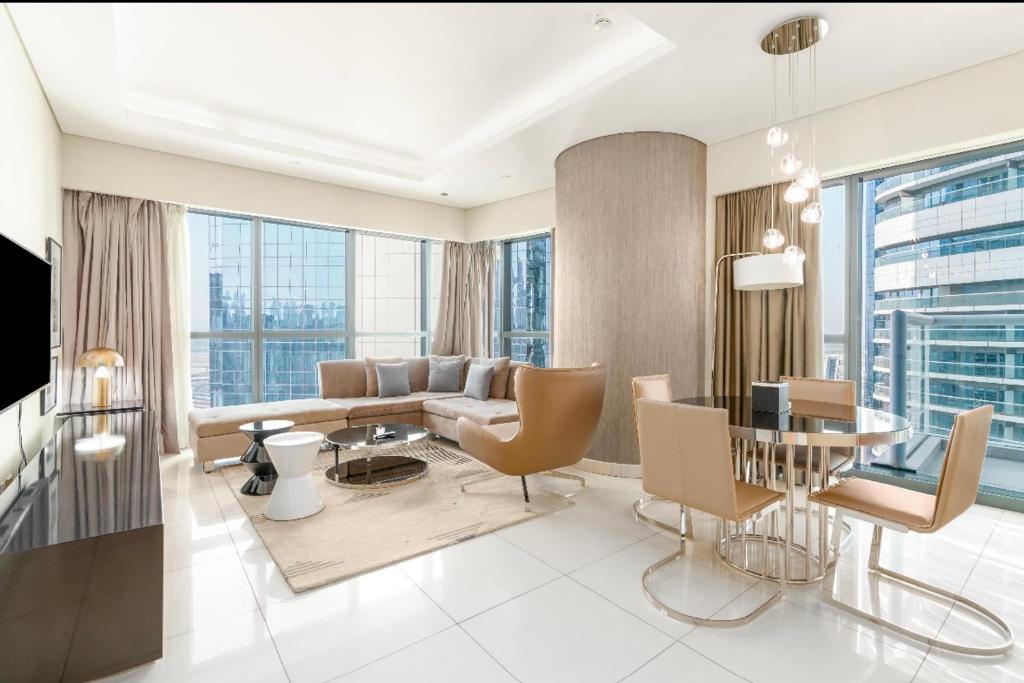
Dubai remains one of the world's most dynamic real estate markets, attracting investors and residents with its modern infrastructure, tax-free environment, strategic location, and high quality of life. Among the many options, 2-bedroom apartments stand out as a popular choice. They offer a practical balance of space, affordability, and investment potential for both end-users (families or professionals) and investors seeking rental income or long-term growth.
This updated guide provides a balanced, realistic overview of buying 2-bedroom apartments in Dubai in 2026. It covers benefits, key locations with current data, potential returns, risks, and a step-by-step buying process. While Dubai's fundamentals are strong, the market is maturing: rental growth is moderating due to increased supply, and capital appreciation is expected to be more measured than in the 2023–2025 boom years.
Why Consider a 2-Bedroom Apartment in Dubai?
2-bedroom apartments appeal to a broad audience. Young professionals value the modern layouts and convenient locations, while small families appreciate the extra space for a home office, guest room, or children's bedroom without the higher costs and maintenance of villas or larger units.
These properties typically range from 800–1,200 sq ft, offering living areas, kitchens (often closed or semi-open), balconies, and at least one en-suite bathroom. Many developments include shared amenities like pools, gyms, parks, and retail outlets, enhancing daily living.
For investors, 2-bedroom units can generate solid rental demand from expats and locals. However, yields are generally slightly lower than for studios or 1-bedrooms because purchase prices are higher relative to achievable rents. As of late 2025/early 2026 data, average gross rental yields for apartments in Dubai hover around 7.0–7.1% for new contracts, with 2-bedroom units often in the 6.5–7.5% range depending on location. Premium areas may see lower yields (around 5.5–6.5%), while more affordable suburban communities can deliver 7–9%.
Capital appreciation has been impressive in recent years, but forecasts for 2026 point to more moderate growth of 4–8% annually in many segments, with mid-market and well-connected areas potentially performing better. A large pipeline of new apartment supply (up to 120,000 units scheduled for 2026, though historical patterns suggest only about half may deliver on time) is expected to ease rental pressures in some districts, giving tenants more bargaining power and potentially stabilizing or slightly moderating rents in oversupplied pockets.
Compared to villas or luxury penthouses, 2-bedroom apartments provide a more accessible entry point into Dubai's market. They suit buyers with budgets starting from around AED 1.2–1.8 million in emerging areas up to AED 3–5+ million in prime waterfront or downtown locations.
Important caveat:
While Dubai offers no property or income tax on rentals (a major advantage), buyers must factor in service charges (typically AED 15–25 per sq ft annually), potential vacancy periods, and maintenance costs. Returns are not guaranteed and depend heavily on location, building quality, developer reputation, and market timing.
Key Locations for 2-Bedroom Apartments in 2026
Location drives both lifestyle and returns. Here are five popular areas, with realistic insights based on current trends:
Dubai Marina
This vibrant waterfront community offers stunning marina and sea views, walkable promenades, beaches, and lively dining/nightlife scenes. It attracts professionals and short-term renters. 2-bedroom apartments here provide strong lifestyle appeal but come at a premium. Yields tend to be in the 6–7% range, with capital growth supported by limited new supply in established towers. Expect higher service fees due to luxury amenities. Ideal if you prioritize prestige and convenience over maximum cash flow.
Downtown Dubai
Home to the Burj Khalifa, Dubai Mall, and iconic fountains, this central hub delivers unmatched access to shopping, entertainment, and business districts. 2-bedroom units appeal to high-earning expats and families who want urban energy. Rental yields are often lower (around 6–6.5%) due to elevated purchase prices, but long-term appreciation potential remains solid thanks to ongoing infrastructure and tourism. Rents here have stabilized after strong prior growth.
Jumeirah Village Circle (JVC)
One of Dubai's most family-friendly and value-driven communities, JVC features parks, schools, mosques, and retail like Circle Mall. It offers more affordable 2-bedroom options (often AED 1.3–2 million range) with competitive yields around 6.5–8% or higher in well-managed buildings. Demand remains steady from young families and professionals. New supply is entering, so focus on established, high-occupancy developments for better rental performance. Excellent for investors seeking a balance of yield and livability.
Dubai Silicon Oasis (DSO)
This tech-oriented suburb combines residential living with business parks, universities, and good connectivity via upcoming metro expansions. It provides a quieter, more suburban feel with modern apartments at relatively accessible prices. 2-bedroom units can deliver yields in the 7–9% range in some buildings, supported by demand from IT professionals and students. Capital growth is expected from infrastructure improvements, making it suitable for long-term holders.
Business Bay
Adjacent to Downtown and the Dubai Water Canal, this area features modern high-rises, corporate offices, and leisure options. It suits professionals and investors targeting rental demand from the business community. Yields for 2-beds are typically 6.5–8%, with solid liquidity. Proximity to key hubs is a plus, but watch for competition from new completions in nearby zones.
Other emerging or value-oriented spots worth considering include Arjan, Al Furjan, or areas near Dubai South for potentially higher yields, though they may offer less prestige or connectivity.
Benefits and Realistic Expectations for Investors
Rental Demand:
Dubai's expat-heavy population and economic growth support consistent demand for well-located 2-bedroom apartments. However, after years of strong rent increases, 2026 is projected to see more moderate growth (around 4–6% citywide), with some suburban areas experiencing stabilization or slight softening due to new supply.
Capital Appreciation:
Moderate single-digit growth is the consensus outlook, driven by population inflows, infrastructure projects, and Dubai's Vision 2033. Prime and mid-market segments are likely to perform differently—select developments by reputable builders (e.g., Emaar, DAMAC, Nakheel) historically hold value better.
Investor-Friendly Policies:
Foreigners enjoy 100% freehold ownership in designated areas. Property investments of AED 750,000+ can qualify for a 2-year renewable residency visa (Taskeen program), while AED 2 million+ unlocks the 10-year Golden Visa. These are powerful incentives but require completed properties in many cases and come with specific conditions (e.g., minimum payments on mortgaged units).
Quality of Life:
World-class healthcare, education, safety, and amenities make Dubai attractive for long-term residency.
Balanced View on Returns:
Gross yields of 6–8% are attractive globally, especially with no capital gains or rental income tax. Net yields will be lower after costs. Past performance (strong gains 2023–2025) does not guarantee future results. In 2026, success depends more on due diligence than market momentum.
How to Buy a 2-Bedroom Apartment in Dubai: Step-by-Step
Assess Your Budget and Goals
Clarify whether you're buying for personal use, rental income, or appreciation. Factor in total costs (purchase price + 6–8% fees). Explore financing—mortgages for foreigners are available (typically 50–60% LTV for non-residents) but require income proof and higher down payments.
Research and Shortlist
Use platforms like Property Finder, Bayut, or Dubizzle. Visit developments in person. Prioritize RERA-registered projects and established developers.
Engage Professionals
Work with a licensed real estate agent and consider a lawyer for contract review. Verify title deeds, NOC (No Objection Certificate), and service charge history.
Make an Offer and Sign Agreements
Negotiate and sign a Memorandum of Understanding (MOU/Form F) with a 10% deposit. For off-plan, review the Sales Purchase Agreement (SPA) carefully for payment plans, penalties, and handover timelines.
Complete Due Diligence and Financing
Obtain NOC from the developer, arrange mortgage if needed, and conduct inspections.
Transfer Ownership
Visit the Dubai Land Department (DLD) or Trustee Office to pay fees (4% DLD + others) and receive the title deed—often same-day for ready properties.
Post-Purchase
Register for utilities, apply for visa if eligible, and prepare for tenancy (use Ejari for rental contracts). For investment, consider property management services (fees ~5–10% of rent).
The entire process for ready properties can take 2–6 weeks; off-plan involves staged payments over 2–4 years.
Legal Note: Foreign buyers face no major restrictions in freehold zones, but always confirm eligibility and seek professional legal/tax advice tailored to your nationality and circumstances.
Conclusion
Buying a 2-bedroom apartment in Dubai offers both lifestyle benefits and investment potential. In 2026, it's important to approach the market with realistic expectations, focusing on quality locations, reputable developers, and thorough research. Whether for living or investment, prioritize properties that match your budget, risk tolerance, and long-term goals. With the right guidance, Dubai's real estate can be a rewarding part of your portfolio.
