Dubai's real estate market remains one of the most resilient and attractive globally in February 2026, with off-plan properties continuing to drive the majority of transactions—often accounting for 70% or more of residential sales value and volume in recent months. This segment appeals to both seasoned investors seeking capital growth and first-time buyers or end-users drawn by accessibility. While the market has moderated from the rapid post-pandemic surges of 2021–2025, it shows steady, sustainable momentum supported by population growth, infrastructure development, and investor confidence. Buying off-plan in Dubai can offer compelling opportunities, but success depends on realistic expectations, thorough research, and careful selection amid increased supply and maturing dynamics.
What Does Off-Plan Mean?
Off-plan properties are homes or investment units purchased during the planning or construction phase, based on developer blueprints, renderings, and marketing materials. Buyers commit before completion, often securing units at launch-stage pricing. This contrasts with ready properties, which are immediately available for occupancy or rental.
Why Consider Off-Plan Properties in Dubai in 2026?
Off-plan remains dominant due to structural advantages, though the market has evolved toward balance.
Competitive Launch Pricing and Entry Costs
Many off-plan projects launch at prices 10–30% below comparable ready or secondary-market equivalents, especially in early phases. This provides an immediate paper gain as the project progresses and infrastructure matures. However, prices have risen overall in recent years due to demand and land costs—savings are not guaranteed in every case and vary by developer, location, and timing. In a year with significant deliveries, selectivity is key to capturing true value.
Capital Appreciation Potential
Off-plan units in well-positioned developments often appreciate as construction advances, amenities deliver, and areas gain maturity. Forecasts for 2026 indicate modest overall growth: around 3% in prime segments and 1–5% in mainstream, with some emerging areas potentially higher (up to mid-single digits or more selectively). Strong projects in master-planned communities can deliver 20–45% over 5 years, but returns are now more measured and location-dependent rather than explosive. High ROI is possible but not assured across the board—focus on fundamentals like demand drivers and supply balance.
Flexible Payment Plans
Developers offer attractive, staggered installments (e.g., 10–20% down, then phased payments during construction, sometimes extending post-handover). This spreads financial commitment over 2–5+ years, improving accessibility without large upfront sums. Plans remain a major draw, especially for international buyers.
Modern, Customizable, and Sustainable Homes
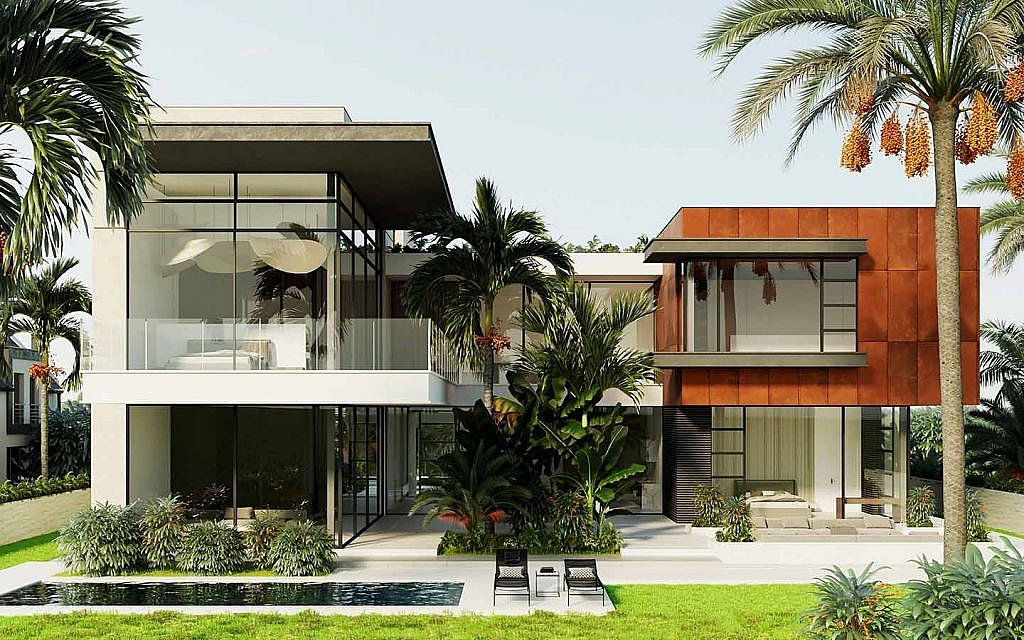
New builds feature contemporary designs, energy-efficient technologies, smart amenities, and green standards (e.g., LEED-aligned). Many allow customization of finishes, layouts, or upgrades, delivering a fresh, tailored property upon handover—often with better sustainability than older stock.
Early Access to High-Potential Locations
Off-plan opens doors to emerging or flagship master developments before they peak in value or occupancy. Demand remains robust in master-planned communities aligned with Dubai's long-term vision.
Popular Areas for Off-Plan Properties in 2026
These hotspots combine demand, infrastructure, and developer activity:
Dubai Creek Harbour
Emerging as a new urban core with waterfront luxury, skyline views, and connectivity. Ongoing off-plan from Emaar and others promise high long-term appeal.
Dubai Hills Estate
Family-focused master community with golf, parks, malls, and villas/townhouses/apartments. Strong end-user demand and steady appreciation.
Jumeirah Village Circle (JVC)
Affordable, central, with good connectivity and high rental yields. Popular for budget-conscious off-plan investors.
Dubai South
Expo legacy area near Al Maktoum Airport, offering modern, value-driven apartments and growth potential as a business/residential hub.
Other notables include MBR City, Business Bay, and Arjan for diverse options.
The Future of Off-Plan in Dubai
Dubai's market enters a sustainable phase in 2026, with off-plan still leading thanks to flexible structures and developer innovation. Government support for foreign investment, green initiatives, and the Dubai 2040 Urban Master Plan (focusing on livability, smart growth, and expansion) underpin long-term confidence. While supply peaks could temper rapid gains in some areas, quality projects in demand-driven locations should continue performing well. Off-plan suits those with a 3–7+ year horizon who prioritize due diligence over speculation.
Conclusion: Is Off-Plan Right for You in 2026?
Off-plan properties in Dubai offer a strategic entry into a dynamic, globally competitive market—lower relative entry costs, flexible financing, modern features, and growth potential in prime/emerging areas make them appealing for capital-focused investors and lifestyle buyers alike. In 2026, the market rewards selectivity: strong developers, balanced locations, and realistic expectations yield the best outcomes amid moderated appreciation (mid-single digits forecast) and higher supply.
However, it's not risk-free—delays, market fluctuations, and segment-specific pressures require preparation. Conduct thorough research, consult professionals, and align with your goals (e.g., long-term hold vs. shorter flip). Areas like Dubai Creek Harbour, Dubai Hills Estate, JVC, and Dubai South remain solid choices for diversified exposure.
