
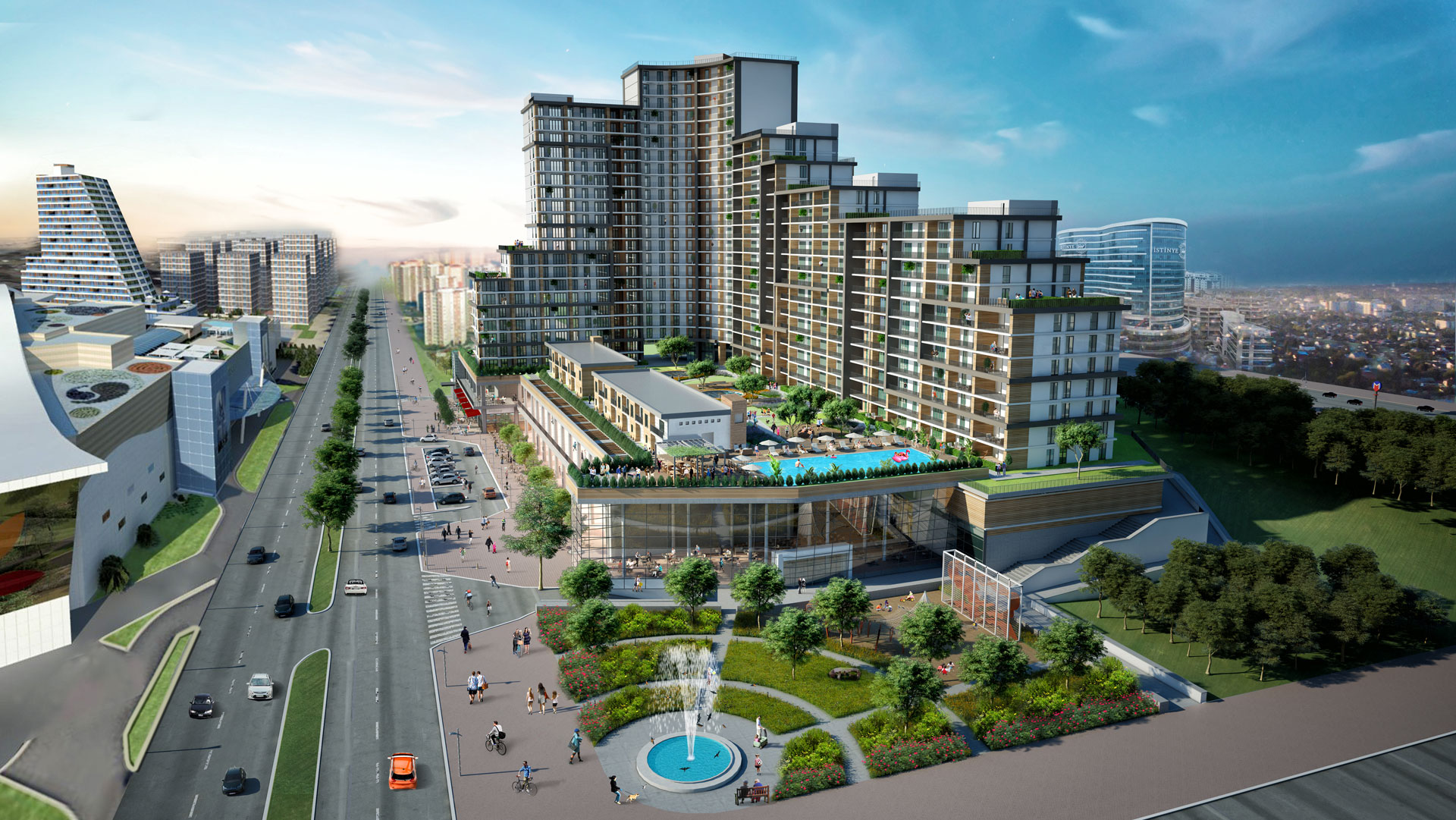
Dubai’s commercial real estate market is not built on “nice buildings” alone—it’s built on how the city works every day: where companies operate, where customers walk in, where logistics move, and where services grow. If you’re searching for a commercial project in Dubai, you’re either trying to secure a smart investment asset or you’re trying to find a business location that won’t create operational headaches later.
This blog gives you a practical way to evaluate commercial opportunities with clear logic, strong compliance awareness, and real-world performance checks—without discussing pricing. It’s also written for readers of Noor Ishraq Real Estate who want a more professional, future-facing approach to commercial property decisions.
Start with purpose
A commercial purchase or lease decision becomes easy when you define the purpose clearly. Many people start with “location” and “photos,” but commercial property works better when you start with the end goal.
If you are an investor, your purpose usually falls into one of these:
- You want stable leasing demand with predictable tenant interest.
- You want long-term asset strength and future resale liquidity.
- You want portfolio diversification through business property rather than residential.
If you are a business owner, your purpose usually looks like this:
- You need operational convenience for staff, clients, or deliveries.
- You need an address that matches your brand and customer expectations.
- You want compliance and documentation to be straightforward from day one.
Once purpose is defined, you can choose the right project type and shortlist correctly.
Choose the right project type
“Commercial project” is a broad term in Dubai. The best opportunities depend on the commercial format you choose and how that format matches demand.
Office projects
Office commercial projects perform well when they are easy to operate in and easy to access. The building might look premium, but the real success comes from functionality and layout.
Focus on:
- Floor plate efficiency and usable area (less wasted space)
- Parking and visitor access (client comfort matters)
- Building management standards and lobby quality
- Fit-out readiness (shell and core vs fitted options)
- Connectivity to business clusters and daily convenience
Retail projects
Retail units require a real “catchment story.” The strongest retail spaces are placed where people naturally pass by and where daily needs keep customers returning.
Focus on:
- Frontage and signage visibility
- Footfall drivers (residential density, offices nearby, community anchors)
- Easy access and practical loading/unloading
- Tenant-mix logic (does the area support a sustainable retail ecosystem?)
Warehouse and logistics projects
Industrial and logistics spaces win when they reduce operational friction. Warehousing success is tied to access routes, loading flow, and compliance readiness.
Focus on:
- Truck access, turning radius, loading bays
- Clear height, storage efficiency, and power capacity
- Safety readiness and operational compatibility for your use
- Route connectivity for supply and delivery networks
Mixed-use commercial projects
Mixed-use developments can reduce vacancy risk by serving multiple tenant types, but they only work well when parking, access, and building operations are well managed.
Focus on:
- Integrated design that supports multiple user groups
- Parking systems that avoid conflict
- Strong, consistent building management and maintenance standards
Place matters
Location is important, but commercial location is not the same as residential location. The best place depends on how your customers, employees, or deliveries move.
A simple way to validate place is to ask:
- Is your business dependent on walk-in footfall, appointments, or delivery/logistics?
- Do you need a prestige address or an efficiency-first location?
- Will you rely on metro/commute convenience, parking convenience, or road network access?
For a futuristic investment narrative, Dubai’s long-range planning direction (often referenced through city-wide frameworks like the Dubai 2040 Urban Master Plan) can support “future-ready” thinking. But future thinking must still align with real tenant demand today.
Paperwork and compliance
Commercial property in Dubai is strongly linked to official systems, clear documentation, and proper transaction pathways. This isn’t something to fear—it’s something to plan early.
Here’s the compliance layer that matters most:
- DLD (Dubai Land Department): central to property services, ownership transfer workflows, and transaction processes.
- RERA: regulatory oversight under DLD that shapes market compliance expectations.
- Ejari: critical for tenancy contract registration and structured leasing in Dubai.
- Trustee centers: practical support channel for processing and verifying transfers through authorised pathways.
Even if you are working through a consultant or broker, it helps to understand these systems so you don’t commit to a unit that becomes difficult to transfer or lease.
The due diligence checklist
When commercial buyers make mistakes, it’s usually because they focus on appearance and forget operational reality. Use the checklist below to judge any commercial project in Dubai in a professional way.
1) Project fundamentals
A commercial project must match real usage. Ask whether the building design truly supports the project type.
Check:
- Does the project layout suit office/retail/warehouse usage?
- Are entry points, elevators, and common areas designed for commercial flow?
- Are parking and visitor routes realistic, not just “promised”?
2) Operational practicality
Commercial property is about daily movement. A great space can fail if access and movement are difficult.
Check:
- Parking comfort and visitor parking logic
- Loading/unloading and delivery access (especially for retail and warehousing)
- Noise, traffic flow, and entry/exit convenience
3) Fit-out readiness and flexibility
Commercial tenants care about how fast and how efficiently they can set up.
Check:
- Shell-and-core vs fitted options and the fit-out burden
- Layout efficiency (can it be divided, expanded, or optimized?)
- Practicality of utilities, ventilation, and equipment placement
4) Compliance readiness
Even a perfect unit becomes a headache if documentation is unclear.
Check:
- Ownership transfer readiness (documents, authorisations, corporate buyer requirements)
- Leasing readiness and tenancy registration planning (Ejari pathway)
- Building policies for permitted use and operating requirements
5) Demand and tenant story
Commercial success depends on being able to explain who will lease it and why.
Check:
- Who is the likely tenant type?
- What business category benefits from this exact location?
- Will customers or employees find it easy to access?
Why Noor Ishraq Real Estate is the smart partner for commercial decisions
Commercial property decisions require a shortlist approach, not endless scrolling. The goal is to match your purpose with the right property type, and then validate compliance and performance before you waste time.
With Noor Ishraq Real Estate, you can approach commercial buying or leasing with a structured selection process—especially if you want options that align with real business demand rather than random listings.
