
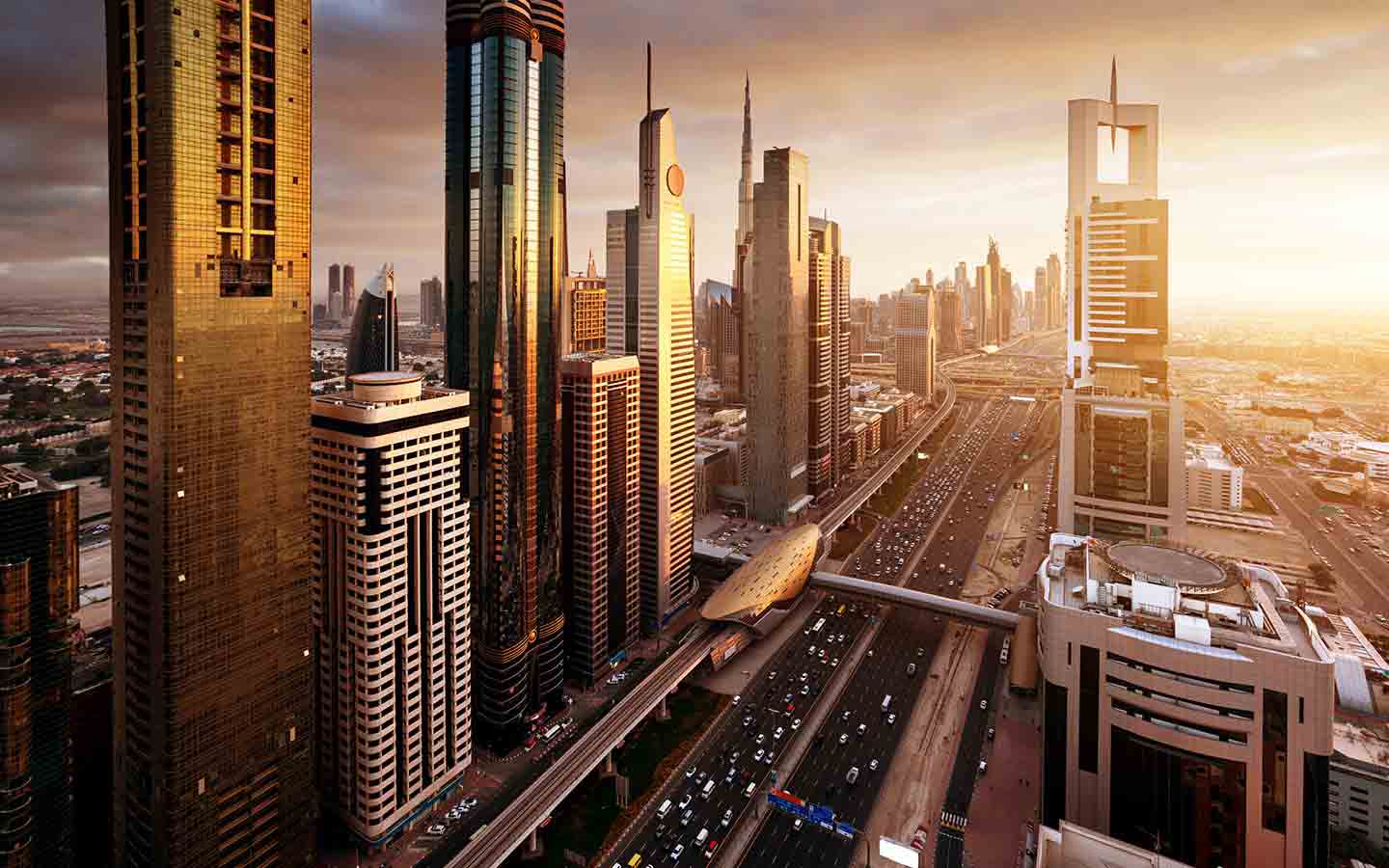
Dubai remains one of the world’s most dynamic business hubs, drawing investors with its strategic location, diversified economy, and investor-friendly policies. While the commercial real estate sector delivered strong performance in 2025—with commercial sales surging 79% to AED 15.42 billion across over 5,300 transactions—the market in 2026 has entered a more selective phase. Robust demand coexists with an expanding supply pipeline, particularly in offices, requiring careful due diligence.
This updated guide provides realistic insights, current trends, and practical advice for investing in commercial properties in Dubai.
Why Invest in Commercial Properties in Dubai in 2026?
Dubai’s economy continues to grow, supported by tourism, finance, logistics, technology, and non-oil sectors. Government initiatives under the Dubai Economic Agenda (D33) and population growth above 4 million reinforce long-term demand. However, investors should adopt a selective approach rather than expecting unchecked boom conditions.
Key attractions include:
Strategic Location:
Dubai serves as a natural bridge between Europe, Asia, and Africa, ideal for international trade and regional headquarters.
Business-Friendly Policies:
Free zones offer 100% foreign ownership, streamlined setup, and competitive incentives.
Attractive Yields:
Prime commercial assets currently deliver competitive returns compared to many global cities. Grade A offices in central districts typically offer net yields of 7–9%, while quality logistics and industrial properties can reach 8–10% or higher in strong locations.
Steady Demand Drivers:
Low vacancy rates (below 5% for Grade A offices in prime areas) and near-full occupancy in logistics reflect genuine occupier demand from tech, consulting, pharmaceuticals, and e-commerce.
World-Class Infrastructure:
Modern airports, ports, metro, and smart districts continue to attract multinational companies.
Important 2026 Context:
While the market started the year with rising transaction values and strong prime asset demand, analysts note potential moderation due to new office supply (including DIFC 2.0 adding millions of square feet by 2030) and broader regional uncertainties. Capital appreciation may be more measured than in 2023–2025, favoring assets with strong income visibility and quality.
Types of Commercial Properties for Sale in Dubai
Dubai offers diverse options across four main categories:
Office Spaces
From compact units for startups to large corporate floors. Prime demand focuses on Grade A buildings in established districts.
Advantages : Long-term leases, corporate tenants, and rental growth in low-vacancy submarkets. Yields in DIFC, Downtown, and Business Bay typically range 7–9%.
Retail Properties
High-street shops, community retail, and spaces within malls or mixed-use developments benefit from tourism and local consumption.
Advantages : High foot traffic in established locations and potential for experiential retail concepts.
Industrial and Warehouse Properties
Strong performer due to logistics, e-commerce, and trade growth. Key areas include Jebel Ali Free Zone, Dubai Investment Park, and emerging Dubai South.
Advantages : Longer leases, stable tenants, and yields often in the 8–10% range. Near-full occupancy supports resilience.
Mixed-Use Developments
Projects combining offices, retail, and sometimes residential elements provide diversified income streams and appeal to modern occupiers. Advantages: Balanced risk and higher overall yields in well-located complexes.
Prime and Emerging Locations for Commercial Investment
Established Prime Areas:
- Business Bay : Mix of offices, retail, and hotels near Downtown Dubai. Remains highly sought-after for its centrality.
- Dubai International Financial Centre (DIFC) : Prestigious address for finance, law, and multinationals. High-end facilities but watch for future supply from DIFC 2.0.
- Jebel Ali Free Zone (JAFZA) : Ideal for logistics, manufacturing, and trade with tax benefits and 100% foreign ownership.
- Dubai Silicon Oasis : Affordable options for tech and innovation-focused businesses.
- Dubai Marina : Waterfront offices and retail with strong lifestyle appeal.
Emerging Opportunities in 2026:
- Dubai South and Expo City: Infrastructure growth around Al Maktoum International Airport and legacy Expo developments positions these as long-term logistics and business hubs. Early investors may benefit from future appreciation, though maturity will take time.
Key Factors to Consider Before Investing
To maximize returns and minimize risks in 2026’s selective market:
Location:
Prime central areas command premium rents and lower vacancy but may see moderated growth due to supply. Emerging southern corridors offer potential upside at more accessible entry points.
Property Quality and Type:
Prioritize Grade A assets with modern amenities, sustainability features, and strong tenant covenants. Avoid secondary or older stock facing higher vacancy risk.
Market Trends and Supply Outlook:
Strong demand persists, but new office completions (especially in Business Bay and DIFC) could pressure rents in some segments from late 2026 onward. Logistics remains tighter.
Legal and Tax Considerations:
Foreigners can own commercial property 100% in designated freehold areas. Register transactions with the Dubai Land Department (DLD).
Tax Reality : No personal income tax or capital gains tax on rental income for individuals. However, the UAE’s 9% corporate tax applies to business profits above AED 375,000. Qualifying Free Zone entities may still enjoy 0% on qualifying income if they meet substance and activity requirements—consult a tax advisor for your structure.
Benefits of Commercial Real Estate Investment in Dubai
When chosen carefully, commercial properties can deliver:
- Reliable Rental Income : Longer lease terms and corporate tenants often provide more stability than residential.
- Portfolio Diversification : Commercial assets can hedge against volatility in stocks, bonds, or purely residential holdings.
- Long-Term Capital Appreciation Potential : Prime and well-located assets have historically appreciated, though 2026 growth is expected to be more moderate and quality-driven.
- Tax Efficiency : Favorable personal tax regime remains a key advantage for individual investors.
How to Buy Commercial Properties in Dubai (Step-by-Step)
The process is transparent but requires professional support, especially for foreigners:
Research and Due Diligence:
Analyze market reports, yields, vacancy data, and future supply. Define your goals—yield focus, appreciation, or operational use.
Engage Professionals:
Work with RERA-registered agents and experienced lawyers. Conduct thorough title checks and financial due diligence.
Financing:
Non-residents can access bank financing, though commercial loans often require 40–50%+ equity (stricter than residential). Compare offers from local and international banks.
Agreement and Payment:
Sign a Memorandum of Understanding (MOU) or Form F with a 10% deposit (held in escrow for off-plan). Secure a No Objection Certificate (NOC) if needed.
Registration:
Complete the transfer at a DLD Trustee Office. Pay the standard 4% transfer fee plus minor administrative costs. Receive your title deed. The process is increasingly digital via the Dubai REST app.
Conclusion
Commercial property investment in Dubai continues to offer compelling opportunities in 2026, underpinned by economic diversification, strategic location, and attractive yields in a tax-efficient environment. However, success requires moving beyond hype to a data-driven, selective strategy that accounts for supply dynamics and quality differentiation.
Whether you seek stable rental income from logistics warehouses, prestigious office space in DIFC, or growth potential in emerging districts like Dubai South, thorough research and expert guidance are essential.
