
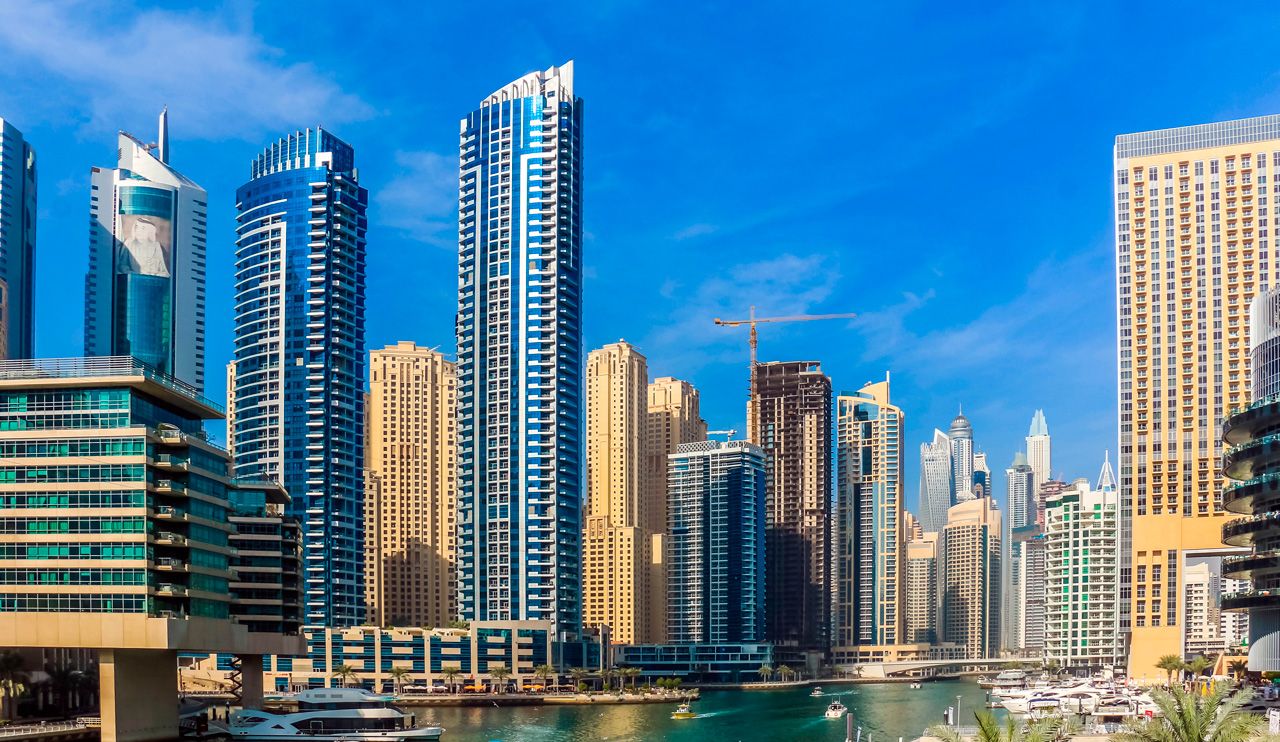
Dubai’s commercial real estate sector remains a vital pillar of the UAE’s diversified economy. Backed by business-friendly policies, world-class infrastructure, strategic global connectivity, and a strong government focus on innovation and non-oil growth, Dubai continues to rank among the world’s most attractive markets for commercial property investment. Opportunities span premium office spaces, high-footfall retail outlets, modern industrial warehouses, mixed-use developments, and hospitality assets.
This updated 2026 guide examines the key drivers making Dubai appealing to investors, the main property types available, current market realities, and practical considerations for achieving sustainable returns.
Why Invest in Commercial Real Estate in Dubai?
1. Strong Economic Growth and Stability
Dubai has demonstrated remarkable resilience through global challenges. Its position as a bridge between East and West, combined with aggressive diversification into tourism, technology, finance, logistics, and e-commerce, continues to fuel expansion. Non-oil sectors now dominate the economy, supporting steady demand for commercial space even as the market enters a more selective phase in 2026.
2. World-Class Infrastructure and Connectivity
Dubai boasts modern transportation networks, including the Dubai Metro, major international airports, extensive highways, and one of the world’s busiest ports at Jebel Ali. These assets enhance accessibility for businesses. Strategic free zones such as the Dubai International Financial Centre (DIFC), Dubai Internet City, Jebel Ali Free Zone, and Dubai South provide tailored ecosystems with international-standard facilities, flexible leasing, and seamless access to global markets.
3. Investor-Friendly Government Initiatives
The UAE and Dubai governments have introduced long-term Golden Visas, expanded 100% foreign ownership rights across most sectors and designated areas, and streamlined regulations. Post-Expo 2020 infrastructure legacies, ongoing mega-projects, and policies encouraging foreign direct investment continue to boost confidence. These measures have helped drive record commercial transaction volumes in 2025, with sales values rising significantly year-on-year.
4. Competitive Yield Potential
Commercial properties in Dubai deliver some of the highest yields in major global markets. As of early 2026, net rental yields typically range from 7% to 10%+, depending on asset quality, location, and sector:
- Grade A offices in prime areas (DIFC, Downtown Dubai, Business Bay): often 7–9%.
- Industrial and logistics warehouses: frequently 8–10% or higher in strong submarkets, supported by robust rental growth.
- Retail and mixed-use assets: competitive yields in high-footfall locations.
These figures compare favorably to many international cities where yields often sit between 2–5%. Yields have compressed in top-tier assets due to strong demand and low vacancy, but rental growth (double-digit in several segments during 2025) continues to enhance total returns. Investors should focus on net yields after operating costs and factor in potential capital appreciation.
5. Sustained Global and Regional Demand
As a preferred regional headquarters for multinational corporations, financial institutions, tech firms, and retailers, Dubai maintains healthy occupier demand. This supports stable rental income and long-term capital growth. While 2026 is expected to bring more measured and selective conditions in some sub-sectors due to new supply pipelines, prime locations with quality assets and strong tenants remain highly sought after.
Types of Commercial Real Estate in Dubai
1. Office Spaces
Demand for quality office space remains solid, particularly in finance, technology, consulting, and professional services. Prime districts such as Sheikh Zayed Road, DIFC, Downtown Dubai, Business Bay, and Dubai Marina offer modern, well-connected workspaces. Free zones provide additional advantages with flexible terms and sector-specific support. In 2025, prime office rents rose sharply (with some reports noting 20%+ year-on-year growth in select areas), though moderation is anticipated in 2026 as the market stabilizes.
2. Retail Properties
Dubai’s reputation as a global shopping and tourism destination drives demand for retail space. Iconic malls like The Dubai Mall and Mall of the Emirates, alongside high-street locations such as City Walk and Dubai Marina, benefit from strong footfall. Community-based and experiential retail concepts are gaining traction, offering resilient income streams even as consumer behavior evolves.
3. Industrial and Logistics Properties
Dubai’s role as a trade and logistics hub has propelled demand for warehouses and industrial facilities. Key areas include Jebel Ali Free Zone, Dubai Industrial Park, Dubai South, and Al Quoz. These locations provide excellent connectivity to ports, airports, and major roads. Rental growth in industrial segments was particularly strong in 2025 (up to 25–32% year-on-year in high-demand submarkets), driven by e-commerce, manufacturing, and nearshoring trends. Net yields in quality logistics assets often reach 8–10%.
4. Mixed-Use Developments
Mixed-use projects integrate offices, retail, residential, and hospitality components, providing diversification benefits. Popular locations include Business Bay, Dubai Creek Harbour, and Dubai Silicon Oasis. These developments appeal to multiple tenant types and contribute to vibrant, self-sustaining communities, often delivering balanced risk-return profiles.
5. Hospitality Real Estate
Dubai’s thriving tourism sector supports investment in hotels, resorts, and serviced apartments, especially in Palm Jumeirah, Downtown Dubai, and Dubai Marina. Consistent visitor numbers and ongoing project pipelines sustain demand, though performance can be more seasonal than pure commercial assets.
Key Considerations When Investing in Commercial Real Estate in Dubai
1. Location Remains Critical
Premium districts (DIFC, Downtown Dubai, Business Bay) command higher prices but offer lower vacancy, stronger tenants, and better liquidity. Emerging or logistics-focused areas like Dubai South, Jebel Ali, and Dubai Investment Park can deliver higher yields but may carry slightly different risk profiles. Thorough market analysis of each micro-location is essential.
2. Legal Framework and Ownership Structures
Foreign investors can benefit from 100% freehold ownership in designated areas. Leasehold options are also available for longer terms. Commercial properties can be held personally or through a company. It is important to understand the implications of each structure.
3. Tax Considerations
Dubai offers significant tax advantages:
- Individuals holding property in their personal name generally enjoy no personal income tax and no capital gains tax on rental income or property sales.
- When properties are owned through a company (common for liability protection, scaling, or financing), a 9% corporate tax applies on taxable profits exceeding AED 375,000.
Many investors still achieve attractive after-tax returns due to the low rate compared to other jurisdictions. Professional tax advice is recommended to optimize structure based on individual circumstances.
5. Due Diligence and Professional Support
Successful investment requires thorough due diligence on title, service charges, tenant quality, lease terms, and exit strategies. Working with reputable brokers, lawyers, and property managers familiar with Dubai’s regulations minimizes risks and maximizes outcomes.
Conclusion
Dubai’s commercial real estate market in 2026 continues to offer compelling opportunities for long-term capital appreciation, attractive rental yields (typically 7–10%+ net in quality assets), and exposure to one of the world’s most dynamic business environments. Robust infrastructure, supportive government policies, strategic location, and diversified economic growth underpin its appeal.
That said, the market is maturing. While prime offices, logistics, and well-located retail remain strong performers, investors should adopt a selective approach, focusing on asset quality, location fundamentals, and professional structuring rather than assuming uniform high returns across all segments.
As with any real estate investment, success depends on careful research, realistic expectations, and collaboration with qualified professionals. By understanding current market nuances—including tax implications and the shift toward more measured growth—investors can position themselves effectively in Dubai’s evolving commercial landscape.
Whether you are a local investor, international institution, or high-net-worth individual, Dubai’s commercial real estate sector rewards those who combine vision with disciplined due diligence.
