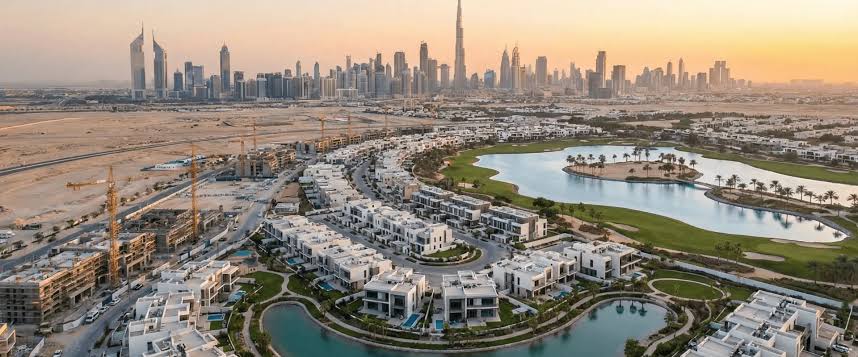
Dubai has established itself as one of the world’s leading real estate investment destinations, supported by tax-free income on rentals and capital gains for individuals, relatively high rental yields compared to many global cities, and ongoing infrastructure development. Master-planned communities play a central role in this market, offering integrated residential, commercial, retail, and leisure spaces that appeal to both end-users and investors.
These communities, developed by established players such as Emaar, Nakheel, Damac, Meraas, and Dubai Properties, provide diverse options ranging from ultra-luxury waterfront properties to more affordable suburban family-oriented areas. While Dubai offers strong potential, investors should approach the market with realistic expectations, particularly in 2026, as the sector transitions from rapid post-pandemic growth toward a more mature, selective phase.
Why Dubai Investment Communities Remain Attractive
Dubai’s real estate model emphasizes integrated, master-planned communities that combine living, working, and leisure. This structure supports consistent tenant demand from expatriates, professionals, families, and tourists.
Key strengths include political and economic stability, strong government oversight through the Dubai Land Department (DLD) and Real Estate Regulatory Agency (RERA), and freehold ownership rights for foreigners in designated areas. Infrastructure projects—such as metro expansions, new airports, and urban districts—continue to drive long-term value in well-located communities.
However, the market is not without challenges. In 2026, transaction volumes have moderated compared to 2025 peaks, with increased selectivity among buyers and some oversupply pressure in mid-market apartment segments. Capital appreciation and rental yields remain competitive globally (often 6-9% gross in popular areas), but performance varies significantly by location, property type, developer quality, and timing.
Top Dubai Communities for Investment Consideration
Here is a balanced overview of established and emerging communities, based on current market dynamics:
Downtown Dubai – Iconic Urban Core
Home to Burj Khalifa and Dubai Mall, this area attracts strong tourist and short-term rental demand. Luxury apartments benefit from high visibility and premium resale potential. It suits investors seeking long-term capital appreciation in a globally recognized location. However, prices are among the highest, and competition is intense. Suitable for higher-budget investors focused on prestige.
Dubai Marina – Established Waterfront Lifestyle
This mature community offers skyline views, promenade living, and proximity to beaches and business districts. It remains popular with professionals and tourists, supporting solid rental occupancy. Yields are attractive, but newer supply in nearby areas requires careful project selection. Strong for rental income strategies.
Jumeirah Village Circle (JVC) – Affordable Entry Point
JVC provides relatively lower entry prices for apartments and townhouses, appealing to first-time investors and families. It has delivered competitive rental yields (often among the higher in major communities). Ongoing infrastructure improvements support future value, but increased supply in affordable segments means investors should prioritize well-managed, well-located projects to avoid vacancy risks.
Business Bay – Business and Residential Hub
Located near Downtown, this district mixes offices, apartments, and hotels. It benefits from corporate tenant demand and short-term rental opportunities. Price growth has been notable in some periods, but investors should monitor new deliveries that could impact mid-tier units.
Dubai Hills Estate – Premium Family Community
Developed by Emaar, this green, master-planned area features villas, townhouses, and apartments alongside parks, schools, and golf courses. It targets higher-net-worth tenants and families, with strong long-term appreciation potential due to limited supply of similar lifestyle offerings. Ideal for stable, long-hold strategies.
Palm Jumeirah – Ultra-Luxury Icon
Famous for beachfront villas and high-end apartments, it caters to celebrities, executives, and wealthy buyers. Rental demand is premium but more niche. It has historically shown resilience in the luxury segment, though price sensitivity to global economic shifts applies.
Dubai South – Emerging Growth Area
Proximity to Al Maktoum International Airport and Expo City positions this as a future hub. It offers more affordable options with appreciation potential as infrastructure matures. However, as an emerging area, returns are less proven and timelines can shift. Suitable for patients with higher risk tolerance and longer horizons.
Arabian Ranches – Family Villa Community
A well-established suburban option known for spacious villas, privacy, and community amenities. It appeals to long-term tenants and families, offering stable rental income and good retention rates. Lower volatility makes it a relatively defensive choice for conservative investors.
Key Benefits of Investing in Dubai Communities
Competitive Rental Yields:
Often 6-10% gross in well-performing areas—higher than many major cities like London or New York—though net yields are reduced by service charges and maintenance.
Tax Advantages:
No annual property tax, no capital gains tax, and no income tax on rental returns for individuals.
Freehold Ownership:
Foreigners can own properties outright in designated zones.
Demand Drivers:
Large expatriate population, tourism recovery, and economic diversification.
Infrastructure and Regulation:
Government-backed development and transparent regulations enhance confidence.
Factors That Determine Investment Success
Successful investments hinge on several variables:
Location and Connectivity:
Proximity to business hubs, metro stations, airports, and amenities drives both rental demand and appreciation.
Developer Reputation:
Projects from Tier-1 developers (Emaar, Nakheel, etc.) generally offer better quality, timely delivery, and stronger secondary market liquidity.
Amenities and Community Maturity:
Established communities with schools, parks, retail, and healthcare tend to attract stable tenants.
Supply and Demand Dynamics:
In 2026, monitor new unit deliveries. Oversupply risks are higher in certain apartment-heavy sub-markets.
Exit Strategy:
Liquidity varies; prime and family villa communities are generally easier to resell.
Economic Context:
Global factors, oil prices, and tourism trends influence performance.
Thorough due diligence, including title checks, financial projections, and independent valuations, is essential.
Matching Communities to Investor Profiles
High Rental Income Focus:
JVC, Business Bay, and Dubai Marina often provide stronger cash flow, especially with short-term rental options (subject to regulations).
Luxury Capital Appreciation:
Downtown Dubai and Palm Jumeirah for prestige and long-term value.
Family and Stability:
Dubai Hills Estate and Arabian Ranches for lower volatility and tenant retention.
Growth Potential:
Dubai South and selected emerging master developments for higher upside (with higher risk).
Diversification across a few properties or types can help manage risk.
Conclusion
Dubai’s investment communities combine lifestyle appeal, tax advantages, and growth potential, making the emirate a notable global option. However, success requires careful selection, realistic expectations, and awareness of 2026’s more balanced market conditions. Focus on quality over hype, prioritize due diligence, and consider working with reputable advisors and agents.
Whether you are a first-time investor seeking rental income or an experienced buyer targeting long-term appreciation, Dubai offers diversified opportunities across segments. By understanding both the strengths and risks, investors can make informed decisions aligned with their financial goals.
