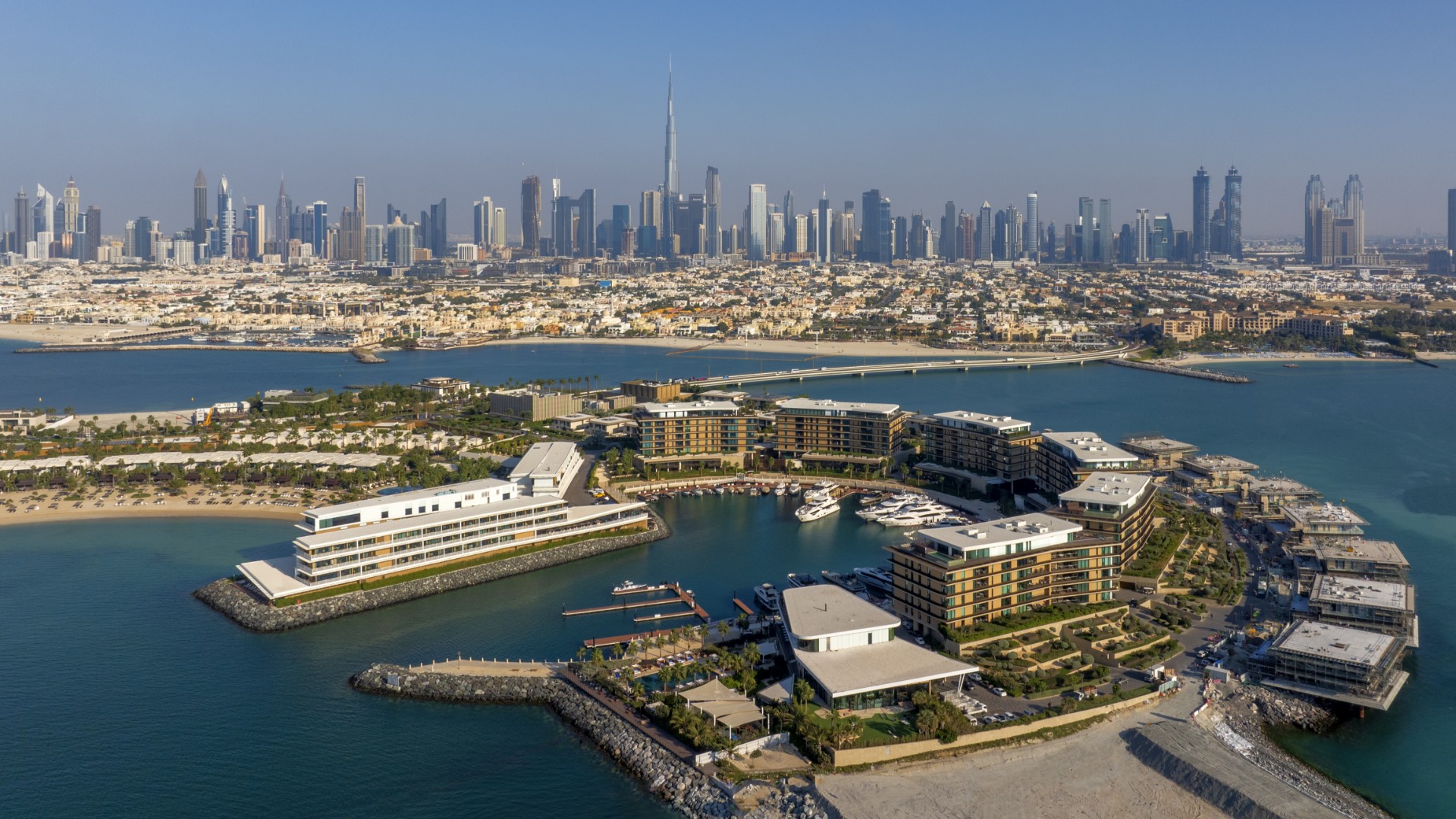
Dubai has firmly established itself as a global powerhouse for luxury real estate. Its strategic location between East and West, dynamic economy, world-class infrastructure, and vibrant tourism sector continue to attract high-net-worth individuals (HNWIs) and international investors. From iconic waterfront villas and sky-high penthouses to exclusive branded residences, Dubai offers diverse opportunities in the luxury segment.
This updated 2026 guide explores why Dubai luxury properties remain a compelling investment choice, highlights realistic returns, key neighborhoods, property types, and practical steps to invest successfully — while providing a balanced view of current market conditions.
Why Invest in Dubai Luxury Properties in 2026?
Dubai’s real estate market has demonstrated remarkable resilience, supported by strong population growth, economic diversification, and investor-friendly policies. While the market is maturing and shifting toward more balanced growth, luxury properties continue to appeal for their lifestyle value, prestige, and potential for long-term gains.
Here are the key advantages:
1. Attractive Rental Yields (with Realistic Expectations)
Dubai still offers some of the highest rental yields globally compared to major cities like London, New York, or Paris (where yields often range between 2–4%). City-wide average gross rental yields stand around 6.7–6.8% in 2026, with apartments generally delivering higher returns (around 7%) than villas (closer to 5%).
In prime luxury areas, yields typically range from 4–6.5%, depending on the exact location and property type:
- Apartments in Dubai Marina and Downtown Dubai often achieve 5.8–6.5%.
- Luxury villas on Palm Jumeirah or in Emirates Hills tend to deliver lower yields (around 4–5.5%) due to higher purchase prices, but they attract premium tenants and benefit from strong occupancy.
Luxury investors frequently prioritize capital appreciation and lifestyle over maximum rental income. Short-term rentals (via platforms like Airbnb) can boost returns in high-demand areas such as Dubai Marina and Palm Jumeirah, provided professional management is in place.
2. Market Stability and Resilience
Dubai’s property market has proven resilient through global economic cycles, thanks to proactive government policies, including long-term residency visas and tax incentives. In 2026, the market is transitioning into a more balanced phase. While strong underlying demand from expatriates and HNWIs persists, a significant supply pipeline (projected at tens of thousands of units) is expected to moderate rental growth, particularly in the broader apartment segment.
The luxury and ultra-luxury segments — especially limited-supply villas, waterfront properties, and branded residences — remain more insulated due to scarcity and sustained international interest.
3. Capital Appreciation Potential
Prime luxury areas have delivered consistent value growth in recent years. In 2026, analysts anticipate more moderate appreciation — roughly 3–7% in well-located prime segments — driven by ongoing infrastructure projects, tourism recovery, and limited high-end supply in key enclaves.
Areas like Dubai Hills Estate, Downtown Dubai, and Palm Jumeirah continue to benefit from strong demand, making them attractive for investors seeking both income and long-term capital growth.
4. Exceptional Tax Benefits
Dubai remains one of the world’s most tax-friendly environments for property investors:
- No personal income tax on rental income
- No capital gains tax on property sales
- No annual property tax
- No inheritance tax (with proper estate planning)
This structure significantly enhances net returns compared to most international markets. Investors only face a 4% Dubai Land Department (DLD) transfer fee on purchases (typically paid by the buyer) and minor administrative costs.
5. Growing Demand for Branded Residences
Branded residences — developed in partnership with global luxury names such as Armani, Bulgari, Versace, Bentley, and others — are a standout feature of Dubai’s luxury market. These properties combine exceptional design, premium amenities, and brand prestige, often commanding 15–25% price premiums. Dubai leads the world in both completed and pipeline branded residence projects, with strong demand from buyers seeking exclusivity and enhanced resale value.
Top Areas for Luxury Property Investment in 2026
Selecting the right location is crucial. Here are the most sought-after neighborhoods for luxury buyers and investors:
Downtown Dubai
The vibrant heart of the city, featuring the Burj Khalifa, Dubai Mall, and Dubai Fountain. This area appeals to urban professionals and investors with luxury apartments and penthouses offering stunning skyline views. It delivers solid rental demand and good liquidity.
Palm Jumeirah
Dubai’s iconic man-made island remains a symbol of ultra-luxury. It offers beachfront villas, upscale apartments, and private beaches with world-class resorts. Limited supply and high prestige support strong long-term value, though yields are generally lower than in more central apartment districts.
Dubai Marina
A lively waterfront community popular with expatriates and executives. The area features modern apartments and penthouses with Gulf views, vibrant dining, and easy access to beaches and entertainment. It often provides relatively higher rental yields within the luxury category and performs well for both long-term and short-term lets.
Dubai Hills Estate
A master-planned green community with luxury villas, townhouses, and apartments set around golf courses and parks. It attracts families seeking a serene yet connected lifestyle, with excellent schools and proximity to business districts. This area is gaining momentum for both end-user demand and investment.
Emirates Hills
Known as the “Beverly Hills of Dubai,” this exclusive gated community offers sprawling mansions with golf course views, privacy, and high security. It caters to ultra-high-net-worth buyers who value status and space, with consistent capital appreciation over time.
Emerging luxury hotspots to watch include Palm Jebel Ali, Emaar Beachfront, and Dubai Creek Harbour, which may offer fresh opportunities as they mature.
Types of Luxury Properties to Consider
Dubai’s luxury market caters to varied preferences and investment goals:
Luxury Villas and Mansions
Ideal for privacy and family living, these are typically found in gated communities like Emirates Hills and Palm Jumeirah. They offer space, gardens, and premium amenities but usually deliver lower rental yields in exchange for stronger appreciation potential.
Penthouses and Sky Villas
These signature units provide panoramic views of the skyline, sea, or desert. Located in prime towers in Downtown Dubai, Dubai Marina, and Palm Jumeirah, they appeal to buyers seeking exclusivity and impressive lifestyle credentials.
Branded Residences
Properties associated with renowned brands deliver superior design, concierge services, and enhanced prestige. Examples include Armani Residences, Bulgari Residences, and newer launches. They often outperform non-branded assets in both desirability and resale value.
High-End Apartments
Sleek, modern units in iconic developments provide a balance of luxury, convenience, and rental performance. Many include access to shared facilities such as pools, gyms, and spas.
How to Invest in Dubai Luxury Properties
Investing in Dubai is straightforward for international buyers in designated freehold areas, but due diligence is essential:
- Research Thoroughly — Analyze current trends, rental data, supply forecasts, and upcoming infrastructure. Focus on areas and property types that align with your goals — whether maximizing yield, seeking appreciation, or enjoying personal use.
- Define Your Objectives — Are you targeting rental income, capital growth, or a second home? Luxury investments often combine lifestyle benefits with financial returns.
- Engage a Reputable Agent — Work with a licensed real estate professional specializing in luxury properties. They can provide market insights, access off-market opportunities, and assist with negotiations.
- Understand Legal and Visa Requirements — Foreigners can own freehold property in approved areas. For residency:
- Secure Financing and Complete Due Diligence — Cash purchases dominate ultra-luxury deals, but mortgage options exist. Conduct proper title checks, review service charges, and factor in maintenance costs. Engage a lawyer for transaction support.
- Plan for Property Management — Especially important for rental properties or short-term lets. Professional management helps maintain occupancy and asset value.
Conclusion
Dubai’s luxury real estate market continues to stand out globally for its tax advantages, lifestyle appeal, and potential for diversified returns. While 2026 brings a more measured pace of growth amid increased supply, the fundamentals — strong HNW demand, limited prime inventory in key areas, and government support — remain robust.
Luxury investors who focus on quality locations, branded or waterfront assets, and long-term horizons are best positioned to benefit. Success depends on realistic expectations, thorough research, and professional guidance.
As Dubai evolves into a more mature, sustainable global city, its luxury property sector is likely to remain one of the most attractive and stable investment destinations worldwide. Whether you seek a prestigious home, diversified portfolio, or high-end rental asset, Dubai offers compelling opportunities in 2026 and beyond.
