
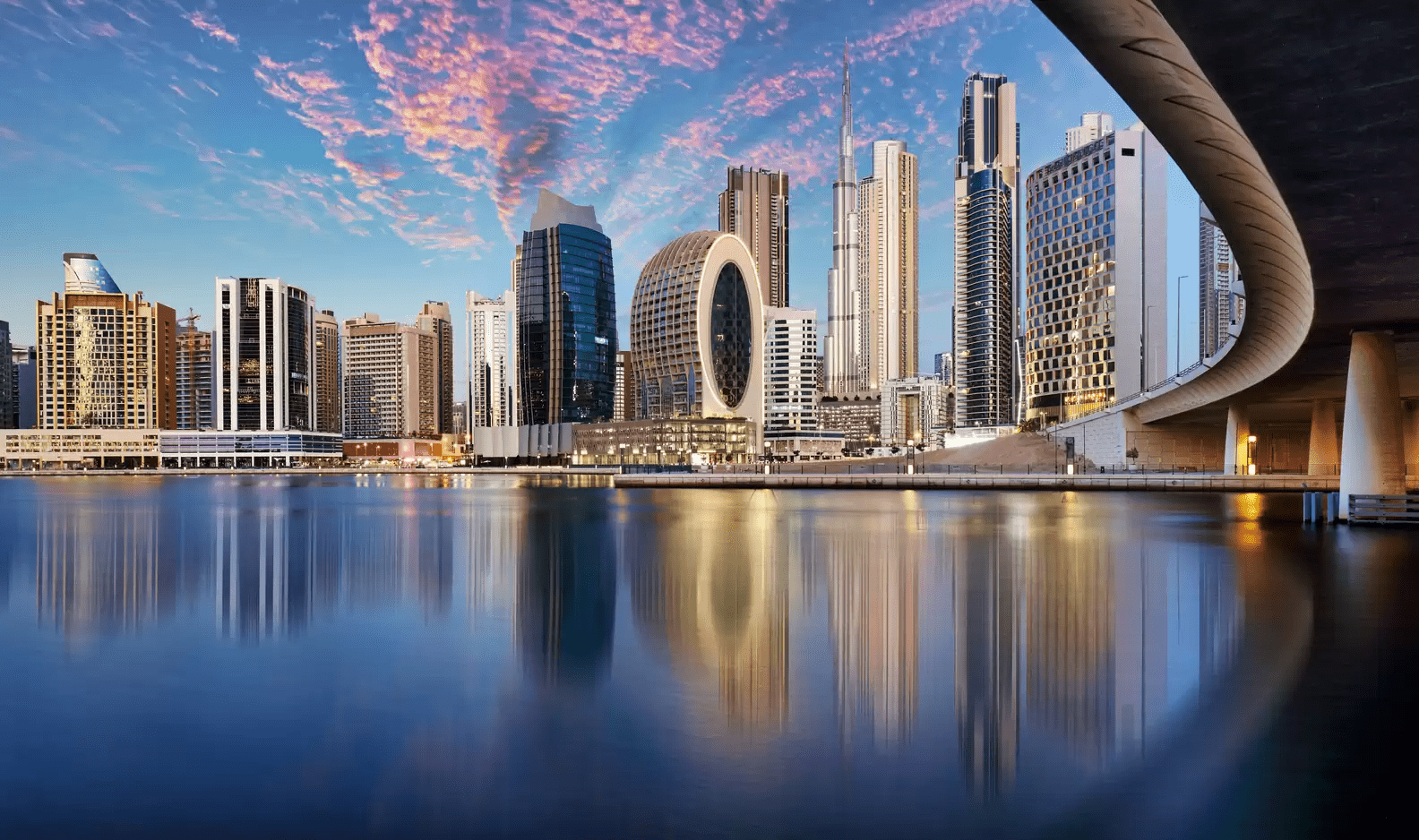
Dubai has earned a global reputation for its extravagant lifestyle and ambitious development. In recent years, the emirate has solidified its position as a leading hub for luxury property investment. While the market delivered exceptional gains between 2023 and 2025, 2026 presents a more mature phase with continued appeal for discerning investors — particularly in prime luxury segments.
This blog explores the key drivers of Dubai’s luxury real estate market, the most promising investment opportunities, realistic expectations for returns, and important considerations for 2026 and beyond.
Why Dubai Remains Attractive for Luxury Property Investment
Several structural advantages continue to draw high-net-worth individuals (HNWIs) and international investors:
Tax Efficiency
Dubai offers one of the most investor-friendly tax environments globally. There is no annual property tax, no capital gains tax on the sale of residential property for individuals, and no personal income tax on rental income. This allows investors to retain a higher portion of returns compared to many major cities. Note that buyers typically pay a 4% Dubai Land Department (DLD) transfer fee (often fully covered by the buyer in negotiations), and there is a small 5% municipality housing fee based on annual rental value (usually passed to tenants or managed via service charges). For most individual investors, these costs remain minor relative to the overall benefits.
Strong Economic Fundamentals and Strategic Location
Dubai’s diversified economy — spanning tourism, finance, technology, and logistics — continues to attract foreign investment and talent. Its geographic position at the crossroads of Europe, Asia, and Africa, combined with world-class infrastructure and one of the busiest international airports, supports steady demand for premium properties.
World-Class Infrastructure and Lifestyle
The city boasts modern skyscrapers, integrated communities, excellent transportation, and unparalleled leisure options. Luxury developments emphasize smart amenities, green spaces, and exclusive services, enhancing both livability and long-term property values.
Political Stability and Investor Protections
A transparent legal framework, strong property ownership rights for foreigners in designated freehold areas, and the Golden Visa program (available with qualifying property purchases) make Dubai a secure destination for wealth preservation and growth.
Current Market Realities in 2026
After strong double-digit growth in prior years, Dubai’s residential market is transitioning to a more balanced phase. Forecasts for 2026 indicate moderate price appreciation — typically 3–8% overall, with prime and ultra-luxury segments (especially villas) expected to perform better than the broader market.
Villas and townhouses
have outperformed apartments due to limited supply and sustained demand for spacious, low-density living. Many established communities continue to see resilient pricing and rental demand from families and HNWIs.
Apartments
particularly in high-density areas, face greater pressure from a significant supply pipeline (over 100,000 units expected in 2026), which could lead to softer rental growth or moderated price increases in some segments.
Rental yields
remain competitive globally, averaging around 6.5–7% gross for apartments and closer to 5% for villas. Prime locations can still deliver attractive cash flow, especially with short-term rental options, though luxury properties often prioritize capital appreciation and lifestyle over the highest percentage yields.
While the luxury segment has shown greater resilience than mid-market areas, investors should focus on quality locations, reputable developers, and thorough due diligence rather than expecting the rapid gains of recent years.
Top Luxury Property Investment Opportunities in Dubai
Here are some of the strongest segments for luxury-focused investors in 2026:
Villas in Dubai Hills Estate
Developed by Emaar, this prestigious master-planned community offers lush greenery, golf courses, parks, and family-friendly amenities. Luxury villas here appeal to those seeking space and community living. With constrained supply of quality villas citywide, established areas like Dubai Hills Estate have demonstrated stronger price resilience and rental demand from affluent families.
Luxury Apartments in Downtown Dubai
Iconic views of the Burj Khalifa, proximity to The Dubai Mall, and world-class infrastructure make this a perennial favorite. High-end apartments attract both owner-occupiers and tenants seeking a vibrant, central lifestyle. While yields may be slightly lower than in secondary areas, the combination of prestige, rental stability, and long-term appreciation potential remains compelling for prime buyers.
Palm Jumeirah Villas and Penthouses
This iconic man-made island continues to symbolize exclusivity with private beaches, luxury amenities, and waterfront living. Palm Jumeirah has historically delivered strong capital appreciation in the villa segment, supported by limited new supply and enduring demand from international HNWIs. Branded or ultra-luxury properties here often command premium pricing and resilient values.
Off-Plan Luxury Properties
Off-plan purchases remain popular due to flexible payment plans (often spread over 2–5 years) and potential pre-completion discounts. Reputable developers continue to launch high-quality projects in prime areas. However, investors should be cautious: while successful projects can deliver solid returns upon handover, risks include construction delays, quality variations, and market shifts during the development period. Focus on RERA-registered projects from established developers with strong track records.
Branded Residences
Partnerships with renowned hospitality and lifestyle brands (such as Armani, Bulgari, Ritz-Carlton, and newer entrants) continue to grow in popularity. These properties combine residential luxury with hotel-style services, concierge, and premium amenities. In 2026, Dubai remains one of the world’s leading markets for branded residences, often achieving a price premium and enhanced rental appeal due to the added prestige and management support.
Key Benefits — With Balanced Perspective
Rental Yields:
Dubai still offers some of the more attractive gross yields globally, particularly in well-located apartment communities. Luxury villas may deliver lower percentage yields but often benefit from higher absolute rental income and stronger capital growth potential.
Capital Appreciation:
Prime luxury assets, especially villas in low-density communities, are better positioned for steady long-term growth. However, 2026 forecasts suggest more moderate gains citywide, with performance varying significantly by location and property type.
Wealth Preservation:
Dubai’s stability, tax advantages, and growing global stature position it as a safe-haven option for international capital. The absence of major personal taxes enhances net returns over time.
Lifestyle and Amenities:
Access to private pools, gyms, beach clubs, fine dining, and smart-home features adds tangible value, supporting both owner enjoyment and tenant demand.
Conclusion
Dubai continues to stand out as a compelling destination for luxury property investment in 2026, thanks to its tax advantages, strategic location, world-class infrastructure, and vibrant lifestyle. While the era of exceptional double-digit annual gains has moderated, prime luxury segments — particularly villas in established communities and high-quality branded residences — still offer attractive combinations of rental income, moderate capital appreciation, and lifestyle benefits.
As with any real estate investment, outcomes depend on careful research, professional advice, and alignment with your goals, time horizon, and risk tolerance. Whether you seek a family villa in Dubai Hills Estate, a skyline apartment in Downtown Dubai, or an exclusive Palm Jumeirah residence, focus on quality fundamentals over hype.
