
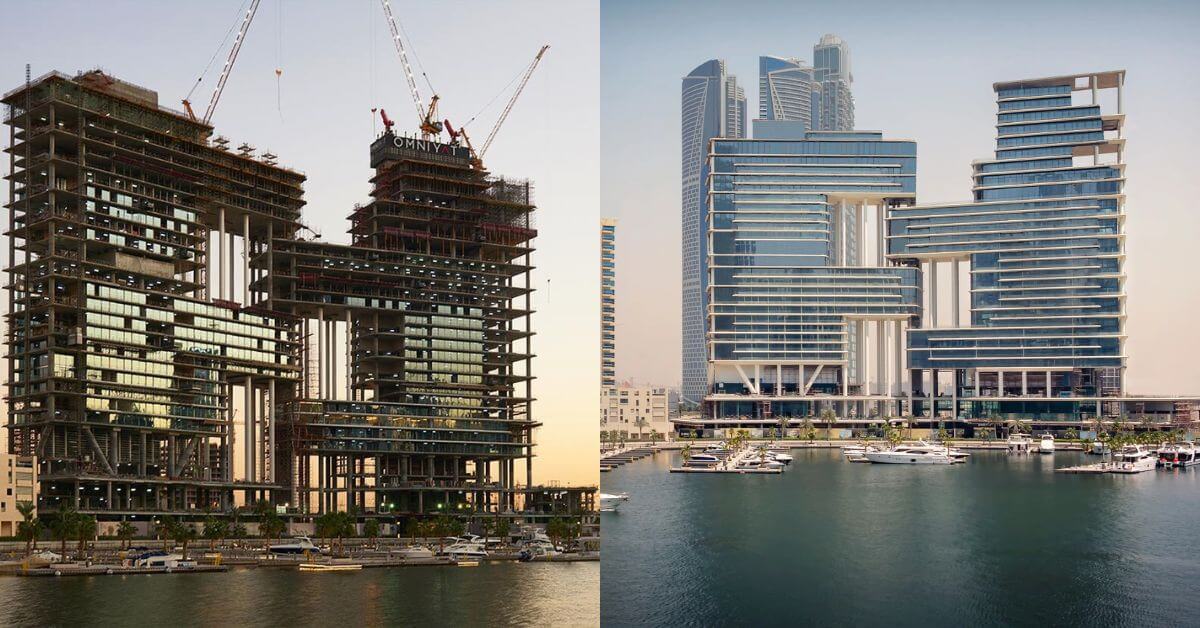
Dubai continues to attract property investors from around the world thanks to its expanding economy, modern infrastructure, investor-friendly real estate framework, excellent international connectivity, and the ongoing development of new residential communities. Within this dynamic market, off-plan property has emerged as one of the most significant segments for buyers seeking long-term capital growth, flexible payment structures, contemporary homes, and early access to developing locations.
Not every off-plan project delivers the same investment potential. Developers, locations, master plans, property types, construction schedules, amenities, rental demand, payment structures, and expected future supply can differ substantially. A structured Dubai Off Plan Investment Comparison therefore helps investors move beyond marketing campaigns and evaluate opportunities according to the factors that truly influence long-term performance.
The strongest off-plan investment is rarely the most luxurious project or the one with the most eye-catching launch offer. It is usually the property where location fundamentals, developer capability, demand drivers, connectivity, product quality, supply conditions, and the investor’s personal objectives align effectively.
What Is a Dubai Off Plan Investment Comparison?
A Dubai Off Plan Investment Comparison is the process of systematically evaluating two or more properties that are offered for sale before construction is complete. Rather than focusing solely on apartment layouts or listed amenities, investors examine the broader investment fundamentals behind each opportunity.
Key comparison criteria include:
- Developer reputation and delivery history
- Master community development and planning quality
- Location and future connectivity
- Property type and unit configuration
- Expected completion timeline
- Construction progress
- Payment plan structure
- Rental demand potential
- Resale liquidity
- Infrastructure development
- Nearby schools, retail, and leisure destinations
- Future property supply in the area
- Community maturity
- End-user demand
- Long-term capital appreciation potential
Using multiple indicators rather than a single feature provides a clearer and more complete understanding of each project.
Why Off-Plan Property Remains Important in Dubai
Dubai’s growth model continues to create new residential destinations across the emirate. Infrastructure expansion, population growth, tourism, international business activity, and new community development all support sustained demand for modern residential property.
Off-plan developments give investors the opportunity to secure properties in areas that are still undergoing significant transformation. An investor purchasing within an emerging master community may benefit from the completion of new roads and transport links, retail destinations, parks and green spaces, schools and healthcare facilities, hotels and entertainment attractions, waterfront development, commercial districts, and broader community infrastructure.
As these elements come online, the overall attractiveness and desirability of the neighbourhood typically improve. This makes the quality of the master plan a particularly important factor when conducting a Dubai Off Plan Investment Comparison.
Compare Established Locations and Emerging Communities
Location remains one of the most influential factors affecting property performance. Investors should not automatically assume that established districts are superior to developing communities, or vice versa.
Established Locations
Properties in mature areas benefit from existing infrastructure and recognised addresses. These locations often provide strong road connectivity, a wide range of retail and dining options, established residential populations, schools and healthcare facilities, proven rental markets, and proximity to business and employment centres. Because these neighbourhoods are already developed, investors can assess rental demand and community performance using existing market evidence.
Emerging Locations
Developing communities offer a different profile of opportunity. Investors may enter before major infrastructure, commercial facilities, and lifestyle attractions are fully completed. Areas linked to major future infrastructure projects can present particularly interesting long-term prospects. Careful study of development timelines remains essential, as the pace of surrounding infrastructure delivery influences the trajectory of capital appreciation.
Compare Developers Before Comparing Apartments
Developer quality should be one of the first filters applied when evaluating any off-plan property. A well-designed apartment holds limited long-term value if the developer does not deliver the project to the expected standard.
Investors should research previous completed developments, construction quality, delivery history, community management standards, project design quality, contractor relationships, financial strength, after-sales reputation, and the performance of earlier projects. Major Dubai developers frequently operate large master communities, while boutique developers may specialise in distinctive or premium schemes. Neither approach is inherently superior. The decisive question is whether the developer can deliver the product, community experience, and construction quality being promoted.
Compare Apartments, Villas and Townhouses
Property type can significantly shape investment outcomes.
Off-Plan Apartments
Apartments form a major portion of Dubai’s investment market. They appeal to professionals, couples, small families, international investors, short-term residents, and long-term tenants. Studios and one-bedroom apartments often attract broader tenant pools in investment-focused areas, while larger apartments may suit families or premium residents seeking more space.
Off-Plan Townhouses
Townhouses are commonly found in suburban and family-oriented master communities. Their appeal often stems from larger living spaces, family-focused environments, private outdoor areas, nearby schools, parks and recreational facilities, and steady long-term tenant demand. Investors should examine the scale of future supply within the surrounding community.
Off-Plan Villas
Villas typically target family buyers and the luxury segment. Long-term performance frequently depends on plot size, community density, privacy levels, architectural quality, landscaping, proximity to schools, community facilities, accessibility, and the availability of comparable villas. Scarcity can become an important supporting factor in premium villa communities.
Dubai Off Plan Investment Comparison by Community Type
Different community types support different investment strategies.
Waterfront Communities
Waterfront projects remain a prominent category. They may feature beach access, marina environments, promenades, waterfront restaurants, resort-style facilities, and premium residential buildings. These properties often appeal to international investors, lifestyle buyers, and tenants seeking distinctive residential settings. Unit supply, building quality, and the quality of actual water views can vary considerably between projects.
Family-Oriented Communities
Large master-planned residential communities frequently focus on long-term family living. They typically offer schools, parks, sports facilities, community centres, supermarkets, walking routes, and children’s play areas. Once infrastructure is fully established, these locations can attract residents seeking longer tenancies.
Urban Investment Districts
Properties close to business centres, transport infrastructure, and employment districts tend to attract professionals and internationally mobile residents. Accessibility to commercial destinations therefore forms an important part of the investment analysis.
Compare Capital Appreciation Potential
Capital appreciation is influenced by multiple interconnected factors. Properties may demonstrate stronger long-term growth potential when they benefit from limited future supply, major infrastructure expansion, population growth, strong developer branding, waterfront positioning, developing master communities, improving transport connectivity, and increasing commercial activity.
A comparison-based approach allows investors to evaluate relative potential rather than assuming that every off-plan development will perform equally.
Compare Floor Plans and Unit Efficiency
Investment analysis should extend beyond total property size. Usable space and layout efficiency can strongly influence both rental demand and resale appeal.
Investors should examine room dimensions, storage areas, balcony usability, kitchen design, natural lighting, privacy, bedroom placement, view orientation, and furniture compatibility. Two apartments of similar overall size can deliver very different living experiences. Well-designed layouts typically enjoy stronger end-user appeal, which supports long-term marketability.
Amenities Should Support the Target Resident
Dubai developments frequently offer extensive lifestyle facilities, including swimming pools, fitness centres, children’s play areas, landscaped gardens, sports facilities, residents’ lounges, co-working spaces, walking tracks, retail areas, and community parks.
Rather than simply counting amenities, investors should assess their relevance to the intended residents. Family communities often benefit more from parks and children’s facilities, while urban residential developments may gain greater value from co-working areas and proximity to business districts.
Building a Long-Term Off-Plan Investment Strategy
The strongest off-plan investment decisions begin with a clear objective. An investor seeking rental income may prioritise properties near employment centres and established infrastructure. An investor focused on long-term appreciation may look toward developing master communities where major infrastructure and lifestyle destinations are still being completed. Family-focused investors may prefer villas and townhouses near schools, green spaces, and community amenities. Luxury investors may prioritise scarcity, waterfront positioning, distinctive architecture, premium services, and prestigious locations.
There is no single universally best off-plan property in Dubai. The ideal investment is the one that best matches the investor’s objectives, financial capacity, investment horizon, and preferred level of market exposure.
Conclusion
A professional Dubai Off Plan Investment Comparison examines far more than project design or promotional offers. Developer reputation, community planning, infrastructure, property type, payment structure, construction timeline, tenant demand, future supply, and long-term marketability should all influence the final decision.
Dubai’s expanding property landscape offers investors access to waterfront developments, emerging master communities, urban residential districts, family neighbourhoods, and luxury destinations. Each category represents a different investment profile. Rather than searching for a universally superior project, investors should identify the development that provides the strongest combination of fundamentals for their individual strategy.
For buyers evaluating different opportunities across Dubai, Noor Ishraq UAE can help investors compare off-plan developments according to location fundamentals, property type, community potential, and long-term investment objectives before making an informed property decision.
