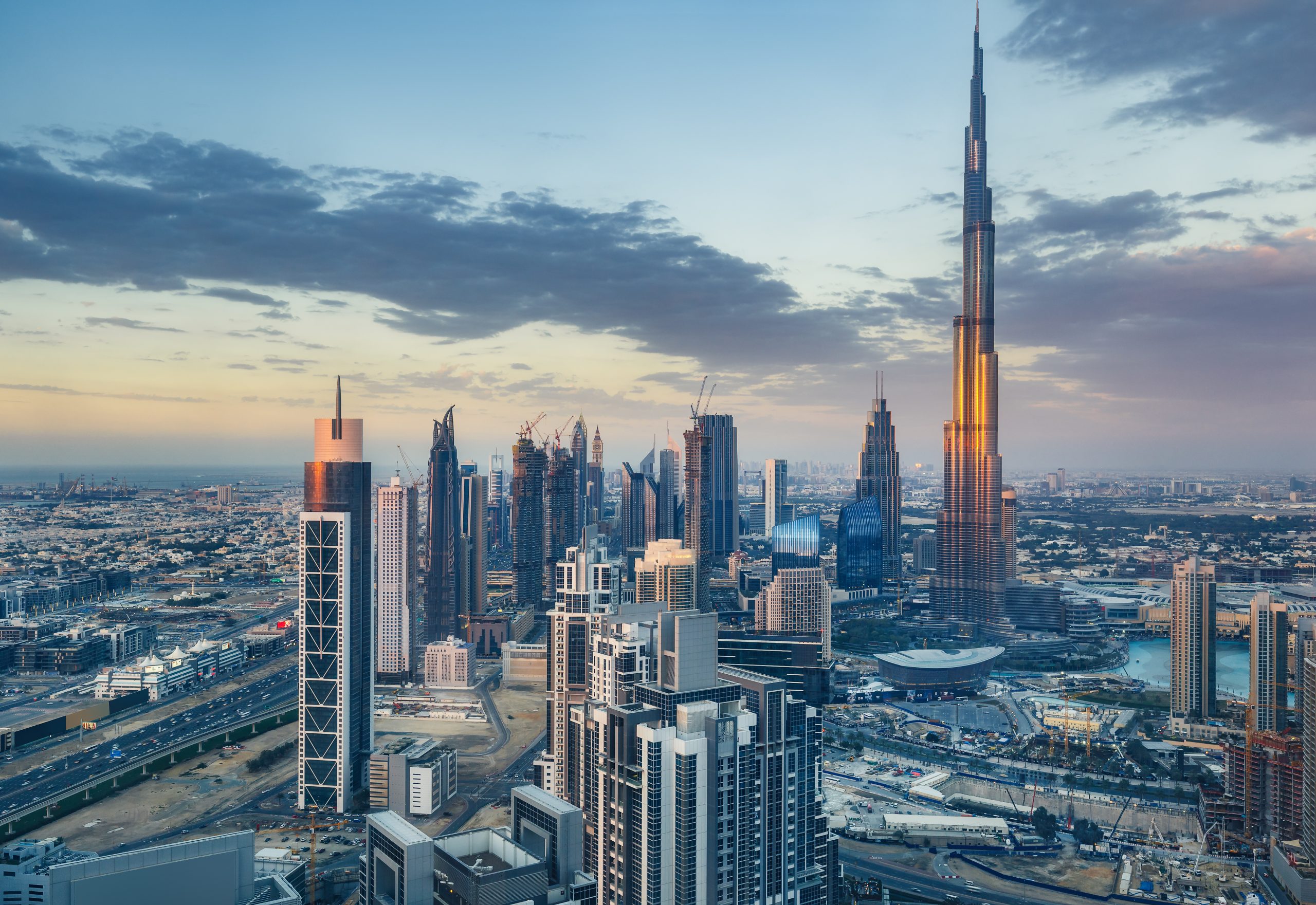
Dubai has solidified its position as a global real estate powerhouse, with off-plan properties playing a pivotal role in driving market growth. As of February 2026, the sector continues to attract investors seeking long-term value in modern, future-oriented developments. However, while off-plan investments offer access to expanding communities with cutting-edge infrastructure, retail, amenities, and connectivity, they are not without challenges. Investors must approach them with a forward-looking yet cautious mindset, balancing potential rewards against inherent risks rather than focusing solely on current hype or market conditions.
Unlike ready-to-move-in properties, off-plan investments hinge on projected potential. Buyers commit to projects before completion, often in emerging districts poised for growth. This allows entry into Dubai's evolving urban landscape, but success depends on thorough evaluation of developers, locations, and market dynamics. In this guide, we'll explore the essentials of off-plan investing in Dubai, drawing on current 2026 trends, benefits, risks, selection criteria, and best practices to help you make informed decisions.
What Are Dubai Off-Plan Investment Properties?
Off-plan properties in Dubai refer to residential or mixed-use units bought directly from developers prior to construction completion. These are typically launched at the planning or early building stages, enabling investors to secure units in upcoming projects well before handover. Options span apartments, townhouses, villas, and branded residences across the emirate's diverse landscape.
In 2026, off-plan sales dominate the market, accounting for approximately 62.6% of transactions, up from previous years, with volumes reaching record highs—over 132,000 deals worth AED 286 billion in 2025 alone. This surge reflects Dubai's ongoing expansion into master-planned communities emphasizing sustainability, smart technology, and lifestyle integration. Investors can tap into fresh inventory tailored to contemporary preferences, such as eco-friendly designs and wellness-focused spaces, rather than settling for older stock.
Off-plan appeals to those aligning portfolios with Dubai's long-term vision, including mega-projects like Dubai South and Creek Harbour. However, it's crucial to note that these investments involve a construction timeline, typically 2-4 years, during which buyers pay in installments tied to milestones.
Why Dubai Off-Plan Investment Properties Attract Investors in 2026
Dubai's development model fuels the off-plan segment's popularity. The city continually rolls out new residential hubs, infrastructure enhancements (e.g., expanded metro lines and highways), and mixed-use districts, creating sustained investor interest. In 2026, factors like population growth (projected at 5%), economic diversification beyond oil, and investor-friendly policies—such as zero capital gains tax and freehold ownership for foreigners—bolster demand.
Product quality is a major draw. Developers compete on innovation, offering smart layouts, green features (e.g., solar integration), family amenities, landscaped areas, and tech-driven conveniences like AI home systems. This caters to a global audience, from young professionals to families, in a market where average prices per square foot have risen 5.75% to AED 1,692.
Off-plan suits phased portfolio building, allowing investors to lock in assets based on future demand rather than immediate occupancy. Yet, 2026 marks a shift to a more mature phase, with slower price growth (around 12% year-on-year) and emphasis on strategic, non-speculative buys.
Key Benefits of Dubai Off-Plan Investment Properties
When chosen wisely, off-plan properties deliver compelling advantages, but these must be weighed against market realities. Benefits include:
Access to Emerging Projects in Growth Areas:
Enter expanding communities like Dubai Hills or Jumeirah Village Circle early, benefiting from infrastructure booms.
Wider Unit Selection:
Secure preferred layouts, views, and customizations (e.g., finishes) at launch, often at 10-30% below ready-property prices.
Modern Design and Amenities:
Projects feature sustainable elements, wellness zones, and smart tech, appealing to tenants and boosting rental yields (6-10% in prime spots).
Potential Capital Appreciation:
Historical data shows 15-20% gains by handover in strong projects, driven by demand.
Flexible Payment Plans:
Spread costs over construction (e.g., 1% monthly), easing cash flow; some include post-handover options.
Portfolio Diversification:
Mix property types and locations for risk spread.
These perks shine when backed by research, but 2026's market stabilization means not all projects yield equally—focus on fundamentals.
How to Choose the Right Off-Plan Property in Dubai
Effective selection involves a systematic process blending market insight with project scrutiny.
Prioritize Developer Reputation:
Review delivery history, quality, and financial stability. Top players like Emaar, Nakheel, and Damac offer reliability.
Evaluate Location for Sustainability:
Focus on connectivity (e.g., near Expo City or airports), amenities, and growth potential. Avoid isolated spots; opt for areas with proven demand.
Assess End-User Appeal:
Match projects to target demographics—e.g., family-oriented with schools vs. professional hubs. Practicality drives rental/resale success.
Scrutinize Layout and Functionality:
Beyond size, check flow, light, and efficiency; these enhance marketability in competitive markets.
Why Professional Guidance Makes a Difference
Dubai's fast-paced market benefits from expert input. Advisors can objectively compare options, highlight risks, and align with goals. Resources like Property Finder or agencies provide data-driven insights, reducing bias. For tailored advice, consult licensed firms, but always verify independently.
Who Should Consider Dubai Off-Plan Investment Properties?
Ideal for first-timers entering via affordable plans, seasoned investors diversifying, international buyers seeking future homes, or those comfortable with 2-4 year timelines. Not suited for those needing quick returns or low risk. Alignment with personal risk tolerance and objectives is key.
Conclusion
In 2026, Dubai's off-plan market remains vibrant, offering strategic entry into a growing economy, but it's evolving toward sustainability and selectivity over speculation. Success stems from due diligence, balancing benefits like appreciation and flexibility against risks such as delays and volatility. By focusing on reputable developers, prime locations, and end-user demand, investors can build resilient portfolios. Approach with realism—off-plan thrives for patient, informed players in this buyer's market phase.
