Dubai continues to rank among the world’s most attractive real estate markets, drawing investors, developers, and entrepreneurs with its strategic location, world-class infrastructure, diversified economy, and investor-friendly policies. While the market has transitioned from the rapid price growth of 2023–2025 into a more mature and selective phase in 2026, strong fundamentals — including population growth, tourism recovery, and business expansion — support healthy long-term opportunities in both residential and commercial sectors.
This article explores current property development opportunities in Dubai, highlights key investment areas, and outlines practical steps for entering the market.
Why Dubai Remains a Strong Location for Property Development
Dubai’s property market forms a vital pillar of the UAE economy. Its position as a global trade and tourism hub, combined with modern infrastructure and a business-friendly environment, continues to attract foreign investment. Dubai’s population is expanding steadily, driven by expatriates and rising tourism numbers, which sustains underlying demand for housing and commercial space.
Government policies further enhance appeal. These include long-term residency visas for property investors and the absence of personal income or capital gains tax on real estate. In February 2026, authorities also relaxed the upfront payment requirement for the Golden Visa, making eligibility more straightforward as long as the property meets the valuation threshold.
That said, the market in 2026 is more balanced than in previous years. A significant supply pipeline — with an estimated 40,000–60,000 residential units expected to be delivered in 2026 — is moderating price growth, particularly in mid-market apartment segments. Prime locations and villa/townhouse communities continue to show resilience, with overall transaction values remaining robust (Q1 2026 sales reached AED 176.7 billion).
Key Property Development Opportunities in Dubai
1. Residential Property Developments
Demand for residential properties remains solid, though it varies by segment and location. Luxury villas and townhouses have outperformed apartments in recent years due to limited supply and strong family/end-user interest. Mid-market and affordable segments offer good rental yields but face more competition from new supply.
Luxury Villas and Apartments:
Areas such as Palm Jumeirah, Emirates Hills, Dubai Hills Estate, and Dubai Creek Harbour continue to attract high-net-worth individuals. These developments provide premium living with waterfront views, high-end amenities, and proximity to business districts. Capital appreciation potential remains attractive in these established or master-planned communities, though rental yields are typically in the 5–6.5% range.
Mid-Market and Affordable Housing:
Demand from young professionals and families supports projects in Dubai South, Al Furjan, Jumeirah Village Circle (JVC), and parts of Dubailand. These areas often deliver higher gross rental yields (7–9% or more in some affordable pockets). However, developers must carefully assess absorption rates, as a large portion of the 2026 supply pipeline consists of apartments in these mid-market zones.
2. Commercial Property Developments
Dubai’s role as a regional business hub supports ongoing demand for office, retail, and mixed-use spaces. Grade-A offices in prime districts continue to perform well, while retail benefits from strong tourism and consumer spending.
Office Spaces:
Locations like Business Bay, Dubai International Financial Centre (DIFC), and Dubai Silicon Oasis see steady interest from companies expanding in the Middle East. Limited new supply in top-tier locations helps maintain rental rates, though overall commercial growth is more measured than in the residential sector.
Retail and Mixed-Use Developments:
Mixed-use projects that integrate retail, residential, and office components remain popular. Iconic malls continue to evolve, while new retail offerings in growing communities such as JVC and Dubai South provide opportunities for developers targeting both local residents and visitors.
3. Tourism and Hospitality Developments
As one of the world’s top tourist destinations, Dubai maintains robust demand for hotels, resorts, and serviced apartments. Events, leisure attractions, and business travel support this sector.
Luxury Hotels and Resorts:
Prime waterfront locations including Dubai Marina, Palm Jumeirah, and Dubai Creek Harbour are well-suited for high-end hospitality projects. Global hotel brands continue to show interest, particularly in properties offering exceptional experiences for affluent travelers.
Serviced Apartments and Short-Term Rentals:
The popularity of platforms like Airbnb sustains demand for flexible accommodation. Areas such as Business Bay, DIFC, and Dubai Silicon Oasis offer potential for serviced apartment developments targeting corporate visitors and short-stay tourists. Investors should note regulatory requirements for short-term rentals and seasonal occupancy fluctuations.
4. Sustainable and Eco-Friendly Developments
Sustainability is a growing priority in Dubai’s urban planning. The government encourages green building practices, and eco-conscious projects appeal to both buyers and corporate tenants.
Eco-Communities: Dubai Sustainable City
stands as a successful example, featuring energy-efficient designs, solar power, and green spaces. Similar projects are gaining traction as buyers increasingly value environmental responsibility.
Green Building Certifications:
Developers targeting LEED, Estidama, or equivalent certifications can differentiate their projects. These standards align with Dubai’s long-term vision for a more sustainable city and can attract premium pricing from environmentally aware investors.
Key Areas for Property Development in Dubai
Several districts stand out for development potential in 2026 and beyond:
Dubai Creek Harbour
This ambitious waterfront district is evolving into a major mixed-use destination. Thousands of residential units have already been delivered and occupied. The area offers luxury towers, retail, and leisure facilities. While the Dubai Creek Tower remains in the planning phase (with Emaar expected to issue a construction tender in early 2026 following a redesign), the broader community continues to progress steadily and is viewed as a long-term landmark project.
Dubai South
Located near Al Maktoum International Airport, Dubai South is poised for significant growth. The area features mixed-use developments, including residential, commercial, and logistics spaces. Its connection to the former Expo 2020 site and future airport expansion makes it attractive for both end-users and investors.
Dubai Hills Estate
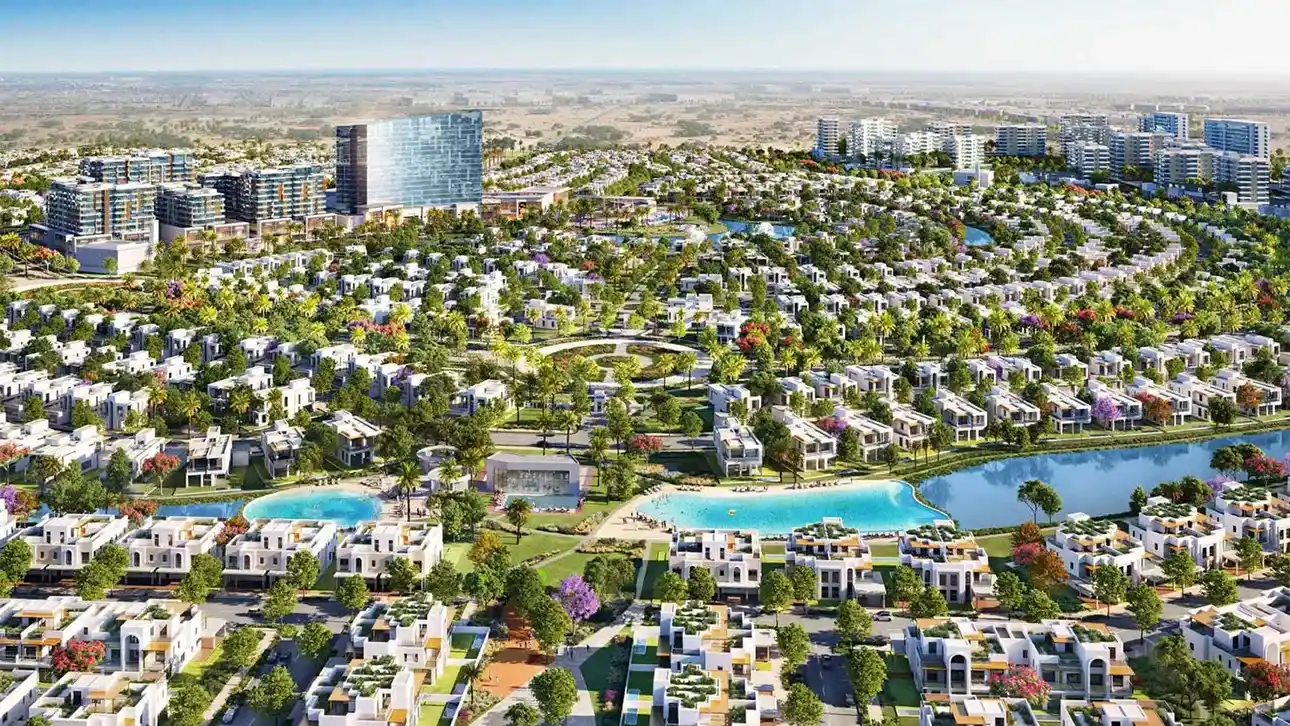
This master-planned community offers a balanced lifestyle with parks, schools, hospitals, and retail. Its central location between key hubs supports strong family demand and relatively stable values.
Palm Jumeirah
The iconic Palm remains a benchmark for luxury waterfront living. Limited new supply in this established area helps support premium pricing and appeal to high-net-worth buyers seeking exclusivity.
Other emerging or high-potential zones include Dubai Islands, Emaar Beachfront, and select pockets within JVC and Dubailand for mid-market opportunities.
Challenges and Considerations for Property Developers
Developers should approach the 2026 market with realistic expectations:
- Supply Pressure: A substantial pipeline of new residential units (particularly apartments) is scheduled for delivery in 2026–2027. This is likely to moderate price growth in oversupplied segments while favoring well-located, high-quality projects.
- Competition: Popular areas attract many players, requiring strong differentiation through design, amenities, or sustainability features.
- Regulatory Compliance: Strict adherence to building codes, sustainability standards, and Dubai Land Department (DLD) rules is essential.
- Market Fluctuations: While Dubai has demonstrated resilience, global economic conditions and regional geopolitics can influence short-term sentiment and transaction volumes.
- Segment Selection: Villas and townhouses generally face less supply risk than apartments in the near term.
Successful developers focus on quality, timely delivery, and alignment with evolving buyer preferences such as wellness amenities and green features.
How to Get Started in Dubai Property Development
Conduct Thorough Research:
Analyze current supply pipelines, absorption rates, and demand drivers in target areas. Tools from the Dubai Land Department and reputable consultants can provide valuable data.
Understand Legal and Regulatory Requirements:
Familiarize yourself with property ownership rules for foreigners (freehold areas), construction permits, and escrow regulations. Engage experienced legal advisors early.
Build Local Partnerships:
Collaborate with established developers, contractors, real estate agents, and consultants who understand the local market dynamics.
Secure Financing:
Development projects require significant capital. Explore options including bank financing, joint ventures with local partners, or private equity. Strong project fundamentals improve funding prospects.
Focus on Long-Term Value:
In the current environment, prioritize projects that offer sustainable rental yields (typically 6–9% in mid-market segments) and resilience against supply cycles.
Conclusion
Dubai’s real estate sector offers meaningful opportunities for developers and investors in 2026, supported by solid economic fundamentals, strategic infrastructure projects, and government backing. While the market has entered a phase of more moderate and selective growth — with increased supply tempering the exceptional price surges of prior years — well-positioned projects in prime or high-demand segments continue to deliver attractive returns.
Whether focusing on luxury residential, mid-market housing, commercial mixed-use, hospitality, or sustainable developments, success depends on careful planning, quality execution, and a clear understanding of current market realities.
By staying informed, partnering wisely, and emphasizing long-term value over short-term hype, stakeholders can effectively participate in Dubai’s ongoing urban transformation. The city’s vision for the future — including projects aligned with the Dubai 2040 Urban Master Plan — suggests that strategic investments made today can yield strong results over the coming decade.
