
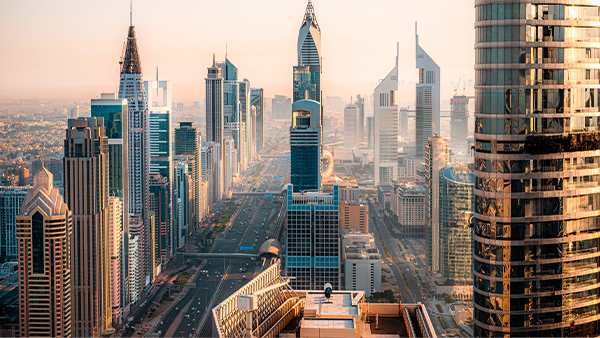
Dubai continues to strengthen its position as one of the world’s most attractive destinations for property investment. Supported by sustained population growth, vibrant international business activity, major infrastructure development, investor-friendly regulations and a diverse residential market, the emirate offers compelling opportunities for buyers with different investment objectives.
For investors considering entering the market this year, this Dubai Property Investment Guide 2026 explains the key factors influencing real estate, the types of properties available, locations worth monitoring, ownership regulations, investment strategies and essential due diligence steps.
Dubai’s real estate sector entered 2026 with significant momentum. According to the Dubai Land Department, real estate transactions reached AED 252 billion during the first quarter of 2026, representing a 31% year-on-year increase in transaction value. The number of investors also increased, highlighting continued local and international participation in the market. Foreign real estate investment reached AED 148.35 billion during the same period, a 26% increase in value compared with the corresponding period of the previous year. These figures underscore the depth of liquidity and confidence in Dubai’s property sector.
Successful property investment rewards those who assess location fundamentals, development quality, rental demand, infrastructure connectivity, community maturity and their own investment horizon. Dubai’s market combines immediate opportunities with longer-term growth potential driven by economic diversification and urban expansion.
Why Invest in Dubai Property in 2026?
Dubai has developed into a highly international real estate market supported by tourism, commerce, financial services, technology, aviation, logistics and lifestyle industries. One of its biggest advantages is the diversity of demand. Dubai attracts professionals, business owners, entrepreneurs, families, tourists and high-net-worth individuals from around the world. This creates consistent demand across different property segments, from centrally located apartments to waterfront residences, villas and emerging master-planned communities.
Long-term government strategies further enhance the outlook. Dubai continues expanding transportation networks, residential districts, commercial centres, airports, tourism infrastructure and mixed-use destinations. These developments improve accessibility and create new residential and employment hubs, supporting both capital appreciation and rental demand over time.
For investors, the strongest opportunities are found where genuine end-user demand, quality housing, infrastructure development and long-term economic activity intersect. Dubai’s combination of lifestyle appeal, business growth and regulatory clarity continues to draw international capital seeking stable, transparent markets.
Off-Plan vs Ready Property in Dubai
One of the most important decisions investors need to make is whether to purchase an off-plan property or a completed property.
Off-Plan Property
Off-plan properties are purchased while a project is under development or before construction is completed. These properties may suit investors seeking exposure to emerging communities or major new developments. Buyers often benefit from structured payment schedules offered by developers, allowing capital to be deployed gradually.
Investors should investigate developer history and reputation, project registration, construction progress, escrow arrangements, expected completion timeline, community master plan, future property supply and contract terms. Selecting projects from established developers with strong delivery records positions buyers to benefit from the growth of new residential districts.
Ready Property
Completed properties provide investors with greater visibility regarding the actual unit, building, community and surrounding infrastructure. They are well suited for investors prioritising immediate occupancy or rental income.
When evaluating ready properties, investors should examine building quality, service charges, occupancy levels, tenant demand, unit condition and comparable rental transactions. Ready assets offer the advantage of generating income from day one while providing clear insight into the living environment.
The right choice ultimately depends on whether the investor prioritises current rental income, longer-term appreciation, payment flexibility or portfolio diversification. Many investors successfully combine both approaches within a balanced portfolio.
Best Areas for Property Investment in Dubai
There is no single location suitable for every investor. Different communities serve different tenant profiles and investment strategies. The following areas stand out for their combination of demand drivers, infrastructure and lifestyle appeal.
Downtown Dubai
Downtown Dubai remains one of the emirate’s internationally recognised premium districts. Its central position, established infrastructure, tourism attractions and proximity to major commercial areas support continued residential demand. Investors considering Downtown Dubai should evaluate building quality, layouts, views, service charges and long-term rental appeal. The district’s iconic status and consistent footfall make it a cornerstone of Dubai’s residential market.
Dubai Marina
Dubai Marina combines waterfront living with established restaurants, retail facilities, public transport connections and access to major business districts. It attracts professionals, residents and international buyers seeking an established lifestyle community. Individual buildings vary, making building-specific research particularly important. The marina’s vibrant atmosphere and excellent connectivity continue to underpin strong tenant interest.
Business Bay
Business Bay has developed into a major mixed-use district with residential towers, offices, hotels and hospitality destinations. Its location near Downtown Dubai and connectivity to major roads make it attractive to professionals and investors seeking centrally located apartments. The area’s ongoing maturation as a commercial and residential hub supports steady demand.
Dubai Hills Estate
Dubai Hills Estate continues to appeal to families and long-term residents because of its master-planned environment, green spaces, schools, retail destinations and residential diversity. The community includes apartments, townhouses and villas, allowing investors to target several market segments within one well-designed neighbourhood. Its family-oriented amenities and green lifestyle position it strongly for long-term occupancy.
Dubai South
Dubai South is increasingly important from a long-term development perspective. Its strategic significance is supported by Al Maktoum International Airport, logistics infrastructure, commercial activity and proximity to Expo City Dubai. Investors considering Dubai South can view it as a growth location with strong fundamentals linked to aviation, logistics and future urban expansion.
Dubai Creek Harbour
Dubai Creek Harbour offers waterfront residences within a large master-planned development. Its appeal comes from waterfront positioning, modern residential developments, open spaces and connectivity to central Dubai. Development progress and community amenities continue to enhance its attractiveness for both owner-occupiers and investors.
Dubai Islands
Dubai Islands is developing as an important waterfront destination with residential, hospitality, leisure and tourism components. Waterfront locations attract strong buyer interest, and individual developments can be assessed based on beach access, views, construction quality, developer reputation and connectivity. The area’s leisure and tourism focus adds a distinctive lifestyle dimension.
Jumeirah Village Circle
Jumeirah Village Circle remains popular with residents seeking comparatively accessible accommodation within a centrally connected community. Its large selection of apartments and increasing retail and hospitality infrastructure supports a broad tenant base. Because the area contains many developments, investors benefit from carefully comparing individual buildings to identify the strongest opportunities.
Importance of Developer Reputation
Developer selection is particularly important when purchasing off-plan property. Investors should examine a developer’s completed projects, delivery history, construction quality and reputation for maintaining communities after completion. Marketing materials should never replace independent due diligence.
The Dubai Land Department provides official real estate data covering transactions, projects, units, developers and other areas of the market, giving investors a useful source for market research. Working with established developers who have demonstrated consistent delivery helps investors make more informed decisions and reduces uncertainty around project completion and community standards.
Building a Long-Term Dubai Property Investment Strategy
Successful real estate investing usually begins with a clearly defined objective. An investor seeking rental income may prioritise established areas with proven tenant demand. Someone targeting capital appreciation may consider emerging communities supported by infrastructure development. A family investor may focus more heavily on villa communities, schools and community facilities.
Investors building larger portfolios can also diversify across property types and locations rather than concentrating all capital within one segment. Whatever the strategy, decisions should be based on evidence rather than short-term market excitement. Transaction data, rental activity, community development, infrastructure, population trends and supply pipelines should all contribute to the investment assessment.
Dubai’s market rewards those who approach it with clarity of purpose, attention to quality and a medium- to long-term perspective. By focusing on fundamentals — location, developer strength, tenant demand and infrastructure — investors can position themselves to benefit from the emirate’s continued evolution as a global city.
Conclusion
Dubai’s real estate sector remains highly active in 2026, supported by international investor participation, infrastructure expansion, economic diversification and continued residential development. Official Dubai Land Department figures for Q1 2026 demonstrate substantial transaction and investment activity. Strong market-wide performance highlights the depth of opportunity available to informed buyers.
Investors should evaluate each opportunity according to location, developer reputation, rental demand, infrastructure, ownership regulations, recurring costs and long-term objectives. Whether considering an established community, an emerging residential district, an off-plan development or a completed property, informed research remains essential.
Noor Ishraq UAE can help buyers and investors explore Dubai property opportunities based on their individual requirements, investment goals and preferred locations, supporting a more informed approach to navigating the Dubai real estate market in 2026.
