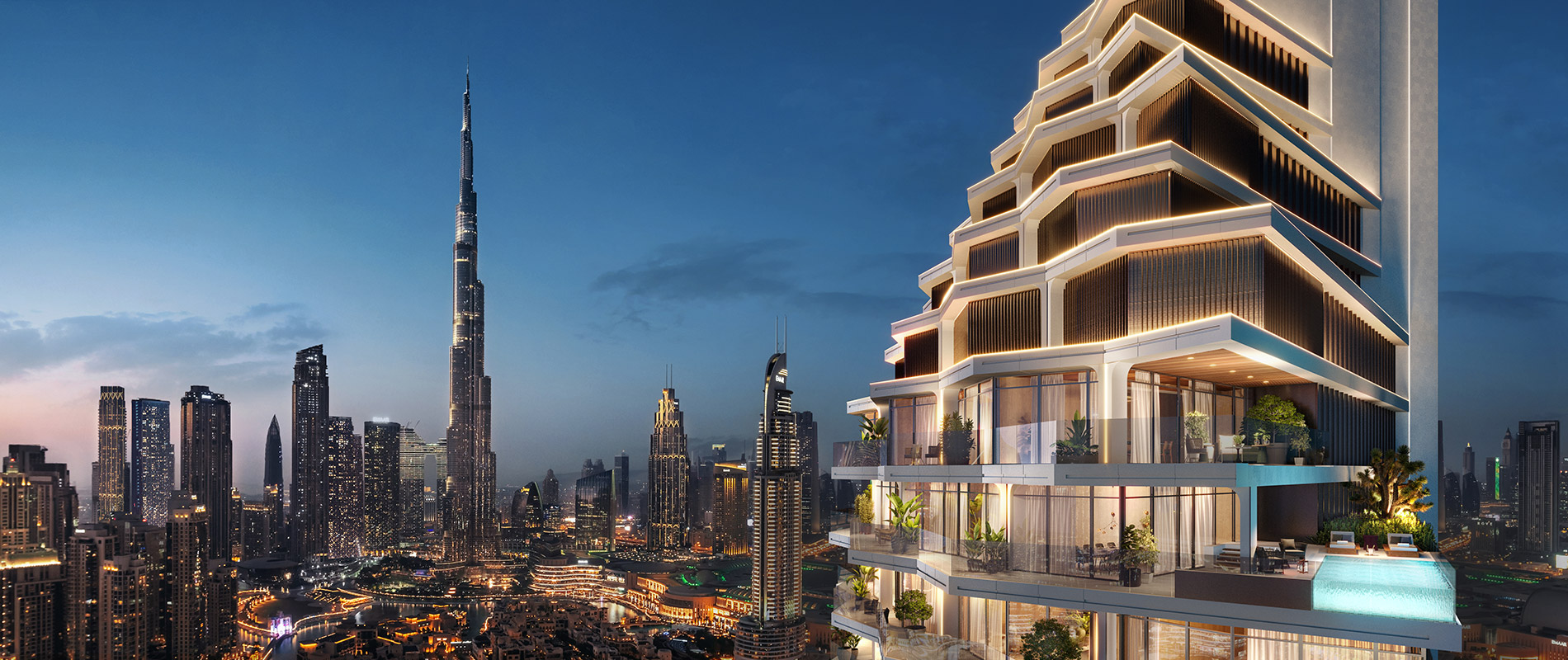
Dubai, renowned for its iconic skyline, luxurious lifestyle, and robust economy, remains a magnet for real estate investors worldwide. As of late 2025, the city's property market continues to show resilience, with steady demand driven by population growth, tourism, and business expansions. Among the various investment options, ready properties—also known as completed or secondary market properties—stand out for those seeking immediate usability. These are fully built units available for quick occupancy, contrasting with off-plan developments that involve waiting for construction. This guide provides an accurate, balanced overview of Dubai's ready properties, drawing on current market data to help you make informed decisions. We'll cover definitions, advantages and drawbacks, key locations, types, investment considerations, the buying process, and recommendations, while addressing potential risks and costs.
What Are Dubai Ready Properties?
Ready properties in Dubai refer to residential or commercial real estate that is fully constructed and ready for immediate handover. Buyers can inspect the unit, move in, or begin renting it out without delays associated with building phases. This category includes resale properties from previous owners or newly completed developments handed over by developers.
Key attributes include:
- Property Types: Apartments, villas, townhouses, and commercial spaces like offices or retail units.
- Status: Completed, with all utilities connected and amenities operational.
- Locations: Spread across Dubai, from central hubs like Downtown Dubai to suburban areas such as Jumeirah Village Circle (JVC).
- Price Range: Varies widely; for instance, a studio apartment in affordable areas might start at AED 500,000 (about $136,000), while luxury villas in Palm Jumeirah can exceed AED 20 million ($5.4 million). As of mid-2025, average prices per square foot range from AED 1,100 to 1,400, depending on location and quality.
- Availability: Abundant in established communities, though prime spots may see competitive bidding.
Unlike off-plan properties, which dominate over 70% of sales in 2025 due to lower entry prices and flexible payments, ready properties appeal to those prioritizing certainty and speed. The market has seen a slowdown in rental growth to about 8.5% annually by mid-2025, down from higher rates in previous years, reflecting a maturing market.
Pros and Cons of Choosing Dubai Ready Properties
Investing in ready properties offers distinct advantages, but it's essential to weigh them against potential downsides for a realistic perspective.
Advantages:
- Immediate Possession and Income Potential: You can occupy or rent the property right away. This is particularly beneficial for investors aiming for quick cash flow, as Dubai's rental market remains strong with yields averaging 5-9% in popular areas.
- Visibility and Reduced Uncertainty: Buyers can physically inspect the property, avoiding risks like construction delays or design changes common in off-plan projects.
- Established Communities: Many ready properties are in mature neighborhoods with proven infrastructure, schools, and amenities, enhancing livability.
- Financing Options: While not as flexible as off-plan, ready properties qualify for standard bank mortgages. Expats typically need a 20-25% down payment, with interest rates around 4-5% for UAE residents. Some developers offer short-term post-handover plans, but these are less common than in off-plan.
- Market Stability: In a cooling market, ready properties provide tangible assets without waiting periods, which can span 2-4 years for off-plan.
Disadvantages:
- Higher Upfront Costs: Ready properties often command a premium, with prices 15-25% higher than comparable off-plan units at launch. Full payment or larger down payments are standard, unlike off-plan's installment plans spread over construction.
- Limited Customization: What you see is fixed; alterations may require additional approvals and costs.
- Market Risks: Dubai's real estate can fluctuate due to global events, oversupply in certain sub-markets (e.g., apartments in secondary areas), or currency risks for foreign investors. Appreciation has been 15-20% in recent years, but projections for 2025 suggest moderation.
- Ongoing Expenses: Beyond purchase, expect annual service charges of AED 10-30 per square foot for maintenance, plus utilities and potential DEWA (Dubai Electricity and Water Authority) fees.
- Competition and Liquidity: In high-demand areas, prices may be inflated, and selling could take time if the market softens.
By understanding these trade-offs, buyers can align their choices with goals—whether short-term rental income or long-term residency.
Top Locations for Dubai Ready Properties
Location significantly impacts value, yields, and lifestyle. Based on 2025 data, here are standout areas for ready properties, with average rental yields and appreciation trends:
- Dubai Marina: A waterfront hotspot with modern high-rises offering sea views and vibrant nightlife. Ready apartments here yield 3.9-6.5%, with studios at the higher end. Appreciation has been steady at 10-15% annually, but high service fees (AED 15-25/sq ft) are a consideration.
- Downtown Dubai: Home to Burj Khalifa and Dubai Mall, this area features luxury ready units with yields around 5-6%. Capital growth remains strong due to tourism, though prices are premium (AED 2,000+/sq ft).
- Jumeirah Village Circle (JVC): Affordable and family-friendly, JVC offers ready townhouses and apartments with yields up to 7-9%. It's ideal for mid-range investors, with appreciation potential from infrastructure developments like new metro links.
- Dubai Hills Estate: A green, upscale community with villas and townhouses yielding 5-7%. Proximity to business districts supports 12-18% appreciation, but it's pricier for entry-level buyers.
- Palm Jumeirah: Iconic island with ultra-luxury ready villas and apartments. Yields are lower (4-6%) due to high values, but exclusivity drives long-term gains. Emerging areas like Dubai South offer higher yields (7-9%) for budget-conscious investors focusing on airport proximity.
When selecting, consider factors like commute times, school access, and future projects via the Dubai Land Department (DLD) portal.
Types of Dubai Ready Properties
Dubai's ready market caters to diverse needs:
- Apartments: The most common, ranging from studios in JVC (AED 400,000+) to penthouses in Downtown (AED 10 million+). They suit singles or small families, with amenities like pools and gyms.
- Villas: Spacious options in communities like Arabian Ranches or Emirates Hills, starting at AED 2 million. Ideal for families, offering privacy and gardens.
- Townhouses: Balanced between apartments and villas, available in JVC or Dubai Hills, with prices from AED 1.5 million. They provide community living with personal space.
- Commercial Spaces: Offices in Business Bay or retail in DIFC, yielding 6-8%. These are for business-oriented investors.
Each type varies in maintenance costs and resale ease—apartments are more liquid, villas hold value longer.
Benefits of Investing in Dubai Ready Properties
- Rental Income: With high expat demand, ready properties can generate immediate returns. Average yields are 5-9%, outperforming many global markets.
- Capital Appreciation: Dubai's economy supports growth, with 15-20% rises in 2024; 2025 forecasts suggest 10-15% in prime areas.
- No Annual Property Tax: A major draw—no recurring government tax on ownership, unlike many countries.
- Amenities and Lifestyle: Access to world-class facilities enhances appeal for tenants and owners.
- Visa Perks: Purchases over AED 2 million qualify for a 10-year Golden Visa, aiding long-term residency.
Diversify and consult experts to mitigate these.
How to Buy Dubai Ready Properties: A Step-by-Step Guide
Purchasing is straightforward but involves fees totaling 7-8% of property value. Timelines: 2-4 weeks for cash, 4-6 weeks with mortgage.
- Research and Budget: Use portals like Property Finder to compare options. Factor in all costs: purchase price, 4% DLD fee, 2% agent fee (plus 5% VAT), AED 580 title deed, AED 4,200 trustee fee, and mortgage fees (~1% of loan).
- View Properties: Inspect multiple units; hire a surveyor for structural checks.
- Secure Financing: For mortgages, approach banks like Emirates NBD. Non-residents need valid visas and proof of income. Off-plan often has developer financing; ready relies more on banks.
- Negotiate and Sign MOU: Make an offer via agent. The Memorandum of Understanding (MOU) outlines terms, with a 10% deposit.
- Obtain NOC: Seller provides a No Objection Certificate from the developer (AED 500-5,000).
- Transfer Ownership: At DLD, pay fees and sign the sale agreement. For foreigners, no restrictions in freehold areas.
- Handover: Receive keys and register utilities.
Always use licensed agents and lawyers for due diligence.
Best Ready Properties for Investment in Dubai
For 2025, prioritize areas with balanced yields and growth:
- Dubai Marina: High demand, 6% yields.
- Downtown Dubai: Tourism-driven, strong appreciation.
- JVC: Affordable, 8-9% yields for rentals.
- Dubai Hills Estate: Family appeal, 12%+ growth potential.
- Dubai South: Emerging, 7-9% yields near Expo site.
Focus on mid-range apartments for liquidity or villas for stability.
Conclusion
Dubai's ready properties offer tangible opportunities in a dynamic market, with immediate benefits tempered by realistic risks and costs. As of December 2025, the sector supports investors through strong fundamentals, but success requires research, professional advice, and awareness of fluctuations. Whether for personal use or income, start with DLD resources and consult agents. With careful planning, ready properties can be a solid addition to your portfolio.
