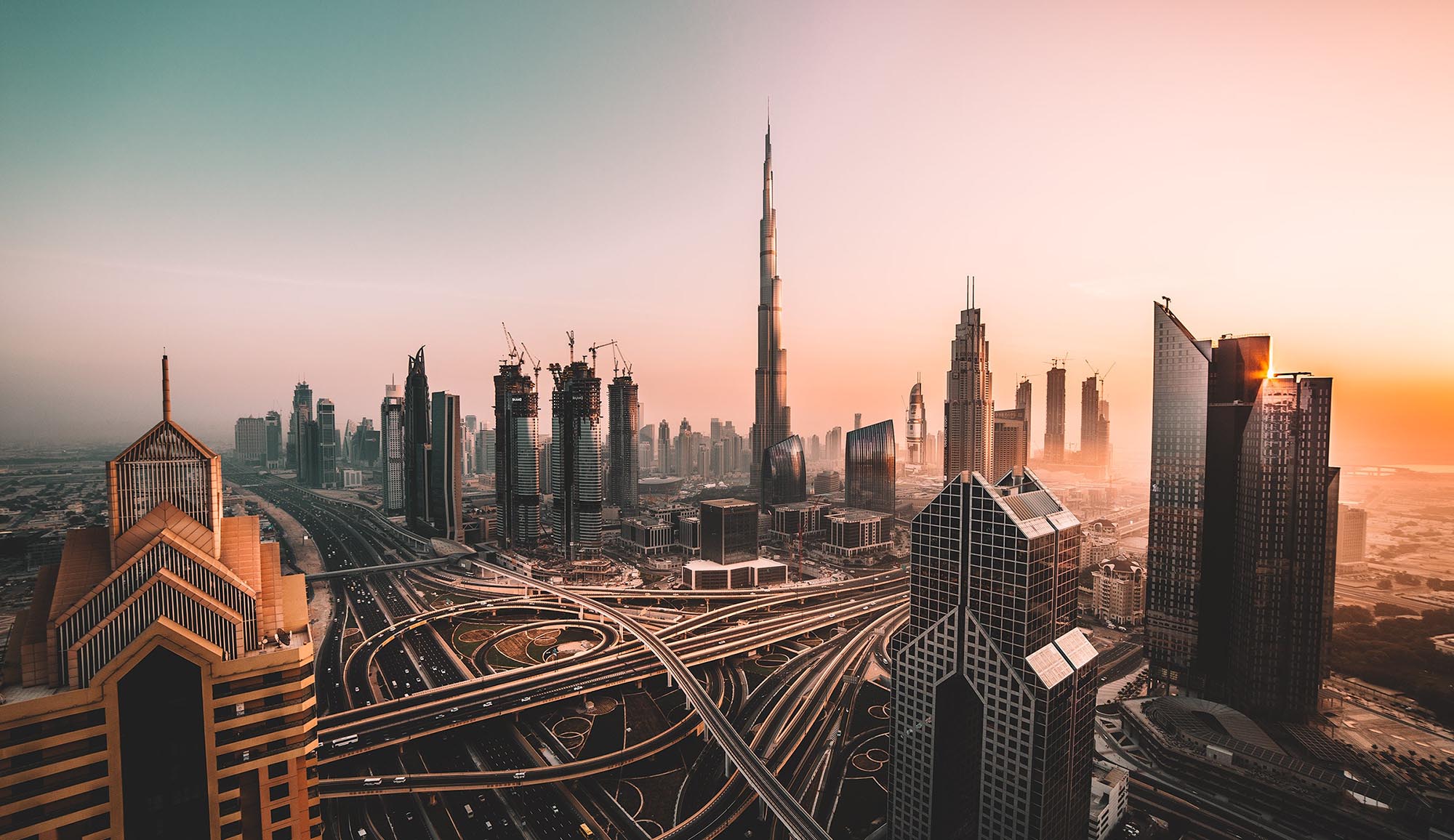
Dubai's real estate market has evolved into a sophisticated ecosystem, blending cutting-edge regulations, seamless digital government services, global accessibility, and vibrant, lifestyle-oriented communities. This attracts not just buyers but also entrepreneurs, families, and institutional investors seeking stable, long-term returns. Whether you're eyeing your first apartment in a bustling downtown area, upgrading to a spacious villa in a family-friendly suburb, or diversifying a portfolio with multiple properties, Dubai stands out for its transparency and structure. Clear transaction processes, robust oversight, and ongoing urban development ensure a market that's resilient and forward-looking.
Our platform empowers you to navigate the market intelligently—comparing options based on data, not speculation—and transition smoothly from interest to ownership, minimizing delays, confusion, or unexpected fees.
Why Dubai Real Estate Captivates Global Investors
Dubai's appeal stems from a synergy of factors that create a compelling investment narrative. Strong economic fundamentals, including a diversified economy beyond oil, fuel consistent demand. Major reports from firms like CBRE, Knight Frank, and JLL underscore this momentum. For instance, transaction volumes and values have shattered records, reflecting confidence from both local and international buyers.
The Dubai Land Department (DLD) provides a mature regulatory framework, overseeing registrations, disputes, and market data through tools like the Dubai REST app. This digital platform allows users to access real-time property info, including price indices, rental yields, and service charges, enhancing transparency.
Residency options tied to property ownership add another layer of attraction. The UAE's Golden Visa program offers pathways for eligible investors, aligning real estate with long-term stays. Coupled with Dubai's strategic vision—outlined in the Dubai 2040 Urban Master Plan—this creates a "future-proof" environment. The plan emphasizes sustainable growth, with goals like doubling green spaces, improving connectivity via metro expansions, and fostering integrated districts that blend residential, commercial, and leisure spaces.
Global search interest in "Dubai real estate" surges from diverse demographics: overseas families drawn to world-class schools and healthcare, business owners leveraging tax-free zones, and portfolio investors eyeing capital appreciation amid low volatility compared to other global cities.
Dubai Real Estate Market Momentum: Insights from 2025 Data
To grasp the market's pulse, look beyond headlines to data from reputable sources. The full-year 2025 figures paint a picture of unprecedented growth. Total transaction values reached a record AED 624.1 billion, a nearly 50% increase from AED 418.4 billion in 2024, according to industry reports. This surge was driven by resilient demand, with monthly transactions averaging 19,000-20,000 in the second half of the year. Over the first nine months alone, more than 148,000 home sales were recorded, valued at AED 401.7 billion, signaling broad-based activity across segments.
Knight Frank's Q4 2025 review highlighted a 12% year-on-year rise in prime residential prices, fueled by international high-net-worth individuals (HNWIs) and limited supply in premium areas. CBRE's Q3 2025 UAE Real Estate Market Review noted record activity, with off-plan sales contributing significantly to value growth—up 39% year-on-year—and overall prices rising 12.9% annually. JLL's UAE Living Market Dynamics for Q3 2025 echoed this, showing 16.5% growth in Dubai's sales volumes and resilient rental trends, with apartment rents up 6.2% year-on-year.
What does this mean practically? Dubai isn't uniform; districts like Dubai Marina, Jumeirah Village Circle (JVC), and Business Bay perform differently. Off-plan projects in emerging areas like Dubai South offer growth potential, while ready properties in established spots like Palm Jumeirah provide immediate yields. Success lies in segment selection—off-plan for phased payments, ready for quick rentals—and factoring in micro-trends, such as rising demand for sustainable, tech-integrated homes.
Key Dubai Real Estate Segments: A Deeper Dive
Understanding segments helps tailor your approach.
Apartments: The Backbone of Demand
Apartments dominate as an entry point, ideal for investors prioritizing liquidity and ease. They match tenant needs efficiently, with lower maintenance than villas. In 2025, areas like JVC saw high volumes due to affordable pricing (AED 1,000-1,500 per sq ft) and strong rental yields (6-8%). Top performers aren't always luxury; mid-tier units in well-managed buildings with amenities like gyms and pools excel. Consider tenant profiles: young professionals favor central locations like Downtown Dubai, where studios rent for AED 80,000-100,000 annually.
Villas and Townhouses: Emphasizing Lifestyle and Appreciation
These appeal to families seeking space, privacy, and community perks. Districts like Arabian Ranches or Dubai Hills Estate offer gated enclaves with parks, schools, and golf courses. Villas saw robust growth in 2025, with prices up 11-14% in key areas, per JLL. The "hidden" factor? Annual costs—service charges can hit AED 15-25 per sq ft in premium communities. Long-term, they offer superior appreciation, especially in master-planned areas tied to infrastructure like the upcoming Etihad Rail extensions.
Off-Plan vs. Ready Properties: Timing Your Investment
Ready properties suit those needing instant occupancy or income, with immediate title deeds. Off-plan, comprising over 60% of 2025 sales, allows payments over 2-4 years (e.g., 10% down, 50% during construction). However, diligence is key: verify developer track records (Emaar, Damac) and project timelines via DLD's escrow accounts. Risks include delays, but rewards include potential 20-30% appreciation by handover.
Calculating True ROI: Essential Costs and Strategies
ROI discussions often overlook realities. Start with DLD fees: 4% transfer on sales value, plus AED 580-4,200 registration depending on type. Mortgages add 0.25-1% bank fees and DLD mortgage registration (0.25% of loan). Ongoing, service charges vary—AED 10-20 per sq ft for apartments, higher for villas—including security, maintenance, and facilities.
Practical tips: Use DLD's Service Charge Index to compare per sq ft. Factor vacancies (5-10% buffer) and DEWA utilities (AED 2,000-5,000 monthly for villas). Net yields typically range 5-7% post-costs. For example, a AED 1.5M apartment renting at AED 100,000 yields ~6.7% gross but ~5% net after AED 15,000 charges.
A Structured Buying Process for Dubai Real Estate
Streamline with these steps:
Step 1: Define Objectives
End-use? Prioritize commute (e.g., near Dubai Metro), schools (like GEMS in JLT), or amenities. Investment? Focus on yields, liquidity, and demographics—e.g., expat-heavy areas like Marina for short-term rentals.
Step 2: Verify Ownership and Docs
Confirm freehold eligibility (most expat areas qualify). Ready units follow title deed paths; off-plan use SPAs and DLD registration.
Step 3: Due Diligence
Check service charges via DLD tools. Assess developers (e.g., Sobha's quality focus) and layouts for rentability—open-plan kitchens boost appeal.
Step 4: Leverage Digital Tools
Dubai REST provides price, yield, and charge data. Apps like Bayut or Property Finder aid comparisons.
Step 5: Close and Record
Finalize with DLD registration, storing docs for future sales or visas.
Golden Visa and Dubai Real Estate: Key Facts for Investors
For residency integration, the Golden Visa offers a 5-year renewable residency for real estate investors. Requirements include proof of ownership for properties valued at ≥ AED 2 million (purchase value at acquisition). Properties can be mortgaged, provided you obtain a no-objection letter from an approved bank detailing paid amounts and balances, as per DLD guidelines. Multiple properties can aggregate to meet the threshold. The UAE Government Portal and ICP outline this, emphasizing regulated documentation for valuation and status.
Dubai Real Estate Outlook: Strategic Positioning for 2026 and Beyond
Dubai's foresight positions it for sustained growth. The 2040 Plan drives connectivity—e.g., new highways linking Dubai Creek Harbour to airports—and resource efficiency, supporting population influx (projected 5.8 million by 2040). In 2026, experts forecast 5-8% price growth in prime areas, moderated by increased supply (50,000+ units expected). Demand from tourism rebound and business hubs like DIFC will bolster this.
Risks? Global economic shifts or oversupply in mid-tier segments. Mitigate with diversification—mix apartments and villas—and professional advice.
Why Choose Noor ishraq for Your Dubai Real Estate Journey
To sidestep pitfalls, partner with experts. At noor ishraq, we offer tailored shortlisting by goals, yield-based comparisons (e.g., JVC vs. Marina), viewing coordination, step-by-step guidance, and post-sale support like handover and leasing. Whether expanding portfolios or securing family homes, start with data-driven clarity.
In summary, Dubai's real estate ecosystem thrives on innovation and opportunity. With 2025's records setting the stage, 2026 promises continued allure for savvy investors.
