Dubai South properties for sale continue to draw interest from homebuyers, investors, professionals, and overseas purchasers seeking opportunities in one of Dubai’s largest master-planned districts. Built around aviation, logistics, business, and residential living, the area offers modern homes alongside expanding amenities, major infrastructure projects, and long-term growth potential. At the same time, it remains a developing community rather than a fully mature urban centre.
Spanning approximately 145 square kilometres, Dubai South was launched as a government-led project (originally Dubai World Central) and is designed to integrate residential neighbourhoods with employment hubs. Apartments, townhouses, villas, and family residences are available across communities planned around open spaces and future facilities. Selecting the right property requires careful comparison of location within the district, developer reputation, construction status, layout quality, service charges, and realistic demand.
Why Dubai South Attracts Attention
Dubai South functions as a large-scale, master-planned city intended to support residential growth alongside aviation, logistics, commercial activity, and trade. Its size allows for distinct zones covering business, employment, housing, schools, retail, parks, and leisure.
A primary driver of interest is the expansion of Al Maktoum International Airport. Dubai has approved plans for a major new passenger terminal and related infrastructure designed to reach a long-term capacity of up to 260 million passengers annually when fully developed. The first phase is targeted for operations around 2032 with significant intermediate capacity. This aviation investment is expected to support business activity, job creation, and infrastructure improvements over time, potentially increasing demand for housing near the airport and surrounding commercial areas.
Proximity to Expo City Dubai (the legacy of Expo 2020), Jebel Ali Free Zone, logistics corridors, and major roads also appeals to residents working in aviation, exhibitions, trade, technology, and related sectors. These factors position Dubai South as a long-horizon opportunity rather than an immediately complete destination.
Strategic Location and Connectivity
Location is a key consideration. Dubai South sits near Al Maktoum International Airport and within reach of Expo City Dubai, Jebel Ali, Dubai Investment Park, and industrial-commercial centres. Road connections via Sheikh Mohammed bin Zayed Road (E311), Emirates Road, and Expo Road provide access toward central Dubai and neighbouring emirates.
Public buses, including routes linking parts of the Residential District to the Expo Metro station, offer some connectivity. However, travel times and convenience vary significantly depending on the specific project location within the large district. There is currently no direct metro station inside the main residential areas, though future extensions have been discussed. Buyers and investors should assess actual commute times for their intended destinations rather than relying on broad claims of “excellent connectivity.”
For investors, practical accessibility influences rental demand, tenant retention, and resale liquidity. Homes closer to operational roads, workplaces, schools, and daily services generally hold stronger day-to-day appeal.
Types of Properties Available
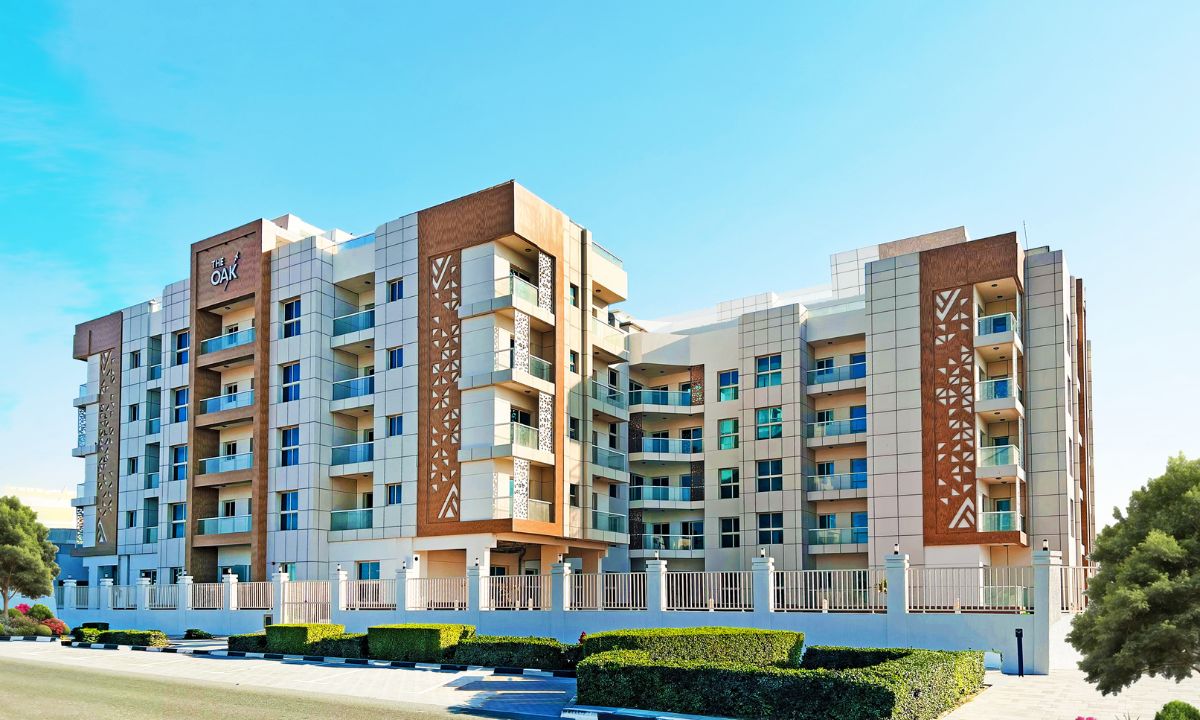
The market includes a range of residential options. Apartments—from studios to three-bedroom units—suit professionals, couples, smaller families, and investors seeking lower-maintenance properties with shared amenities. Townhouses appeal to families wanting extra bedrooms and outdoor space within a neighbourhood setting. Villas offer greater privacy, parking, gardens, and flexible living areas. Some lagoon or golf-oriented communities provide more leisure-focused residences.
Communities in Dubai South contain a mix of apartments, townhouses, semi-detached villas, standalone villas, and larger homes. This variety allows buyers to match purchases to specific needs—whether end-use, rental strategy, or longer-term holding—rather than treating the entire district as uniform.
The Residential District and Current Lifestyle
The Residential District is among the more established living areas within Dubai South. It features gated communities, apartment buildings, villas, townhouses, parks, sports facilities, retail outlets, a hypermarket, a mosque, and public transport links. Resident numbers have grown steadily (historically reported in the tens of thousands in earlier years) with ongoing expansion of social infrastructure.
Family-oriented buyers can find projects with walking paths, landscaped areas, children’s play zones, swimming pools, gyms, and community centres. The opening of GEMS Founders School – Dubai South in 2024 (British curriculum, initially serving early years through lower secondary with planned expansion) has strengthened educational appeal for households prioritising nearby schooling.
Important context: many facilities remain under construction or in phased delivery. A completed park, shop, school, clinic, or transport link delivers immediate convenience; amenities shown only on future master plans do not. Buyers should verify operational status for any specific community rather than assuming full maturity.
Investment Potential: Drivers and Realistic Considerations
Interest in Dubai South property investment links closely to the district’s long-term economic role. Airport expansion, logistics growth, business formation, new commercial facilities, and residential development may support demand from employees, families, and companies seeking accommodation near emerging employment hubs.
Official updates have reported thousands of operating businesses (over 4,200 by late 2025 figures, with hundreds of new companies joining annually and high retention rates). Additional logistics and commercial projects continue near the airport. This creates potential tenant demand beyond pure speculation, particularly from aviation, cargo, exhibitions, free-zone, and support-service workers who may prefer shorter commutes.
Growth is not automatic. Investors must weigh several factors:
- Substantial new residential supply is planned and under construction across Dubai South and comparable emerging areas. High delivery volumes can pressure prices, rents, and absorption rates in the near to medium term.
- Service charges, maintenance costs, vacancy allowances, management fees, and furnishing expenses reduce net returns. Gross yield figures alone can be misleading.
- Unit quality, layout efficiency, orientation, floor level, and views affect both livability and resale.
- Off-plan projects carry construction, timeline, and specification risks; ready properties allow physical inspection but may already reflect current market pricing.
A practical rental strategy starts with the likely tenant profile. Compact apartments often suit single professionals or couples; larger apartments, townhouses, and villas may attract families seeking schools and private space. Comparing realistic annual rent against all ownership costs produces a clearer view of potential net performance than optimistic future assumptions.
Off-Plan versus Ready Properties
Both off-plan and completed homes are available. Off-plan options can offer newer designs, staged payments, and positioning around future community growth. They suit investors with longer time horizons who are prepared to evaluate developer delivery history, escrow arrangements, timelines, specifications, cancellation terms, and handover conditions. Marketing visuals and promises cannot replace legal documents and independent checks.
Ready properties enable inspection of light, views, room sizes, finishes, parking, noise levels, management quality, and shared facilities. They may generate income sooner, yet buyers should review current occupancy, actual rents achieved, maintenance history, and community charges.
The better choice depends on whether the priority is immediate use, payment flexibility, lower construction exposure, or longer-term positioning.
What Buyers Should Evaluate Thoroughly
A successful purchase begins with a clear objective. End-users should weigh commute patterns, school access, household size, storage, parking, outdoor space, and nearby services. Investors should focus on tenant demand depth, competing supply, realistic rental expectations, operating expenses, and resale prospects.
Key checks include:
- The developer’s completed delivery record and financial credibility.
- The project’s official registration, construction progress, and escrow status.
- The unit’s usable layout, orientation, floor, and view (including potential future obstruction).
- Confirmed service charges and expected maintenance or district cooling costs.
- Practical access to roads, transport, schools, shops, and workplaces.
- Handover terms, defect liability periods, and warranty provisions.
- Any rental restrictions and available property management options.
- Surrounding construction that may affect views, access, or noise in coming years.
Title documents, ownership eligibility (freehold for non-UAE nationals in designated areas), payment schedules, agency credentials, and contracts should be verified through qualified professionals and official Dubai Land Department / RERA channels.
Who May Find Dubai South Suitable
Dubai South can appeal to several profiles. Aviation and logistics professionals may value proximity to major workplaces. Families may prefer modern gated communities, larger layouts, parks, and the presence of schools such as GEMS Founders. First-time buyers sometimes consider apartments or townhouses aligned with longer housing plans. Overseas investors may seek exposure to Dubai’s southern expansion corridor.
The district suits purchasers who understand that developing communities evolve gradually and accept phased infrastructure delivery. Those seeking a fully mature neighbourhood with extensive established amenities and shorter central-Dubai commute times should compare carefully with older districts.
Long-Term Outlook
Dubai’s 2040 Urban Master Plan prioritises integrated communities, improved quality of life, sustainable mobility, expanded green spaces, and development across key urban centres. Dubai South’s combination of employment zones, residential areas, aviation, and logistics infrastructure aligns with this direction.
Actual demand will depend on the pace of airport development, business expansion, transport improvements, community completion, and population growth. Homes with practical layouts, reputable developers, and amenities that are already (or soon to be) operational are likely to remain more competitive than units chosen primarily on promotional claims.
Investors benefit from a selective approach. The strongest opportunity is not always the largest home or the newest launch. It is often a well-designed property that meets the daily needs of a clearly defined end-user or tenant while carrying manageable ownership costs.
Conclusion
Dubai South properties for sale provide access to a large, future-oriented district shaped by aviation investment, logistics growth, business activity, residential communities, and major infrastructure. Its location near Al Maktoum International Airport and Expo City Dubai, together with expanding schools, retail, parks, and lifestyle amenities, supports genuine long-term interest among both end-users and investors.
The opportunity rewards discipline. Buyers should compare developers rigorously, inspect layouts in person where possible, evaluate the actual maturity of the specific community, review all legal and financial documents, and calculate realistic ownership costs including service charges and vacancy. With careful research and professional advice, purchasers can identify a home or investment that aligns with their lifestyle needs, rental strategy, and time horizon in this evolving part of Dubai.
