
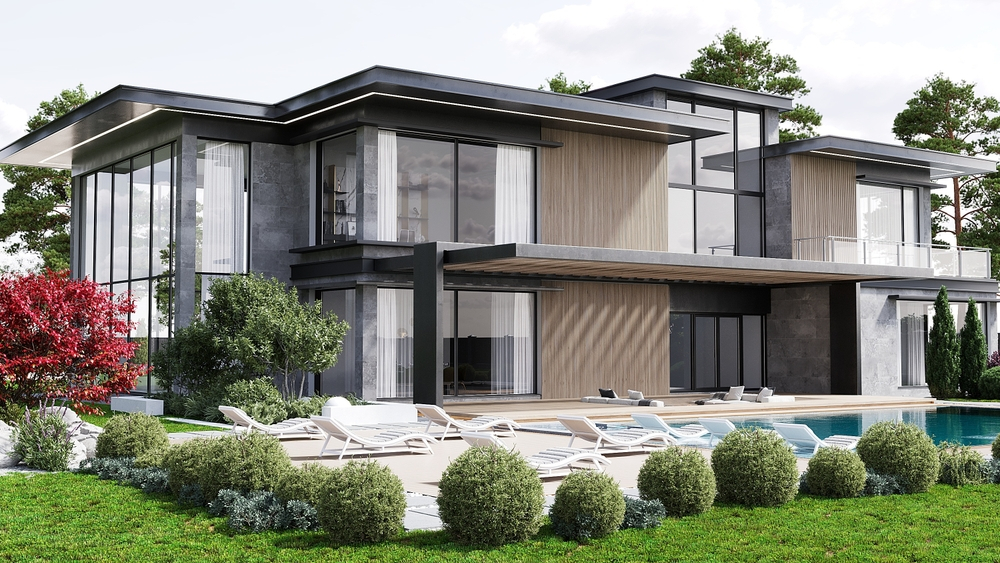
Dubai has established itself as a major destination for property ownership, combining master-planned communities, modern infrastructure, international schools and strong connectivity. Villas appeal to families, professionals and investors seeking more space, privacy and outdoor living than most apartments provide. The market includes independent villas, townhouses, waterfront homes, golf-course residences and larger mansions, available as both ready properties and off-plan developments.
This guide outlines the main villa types, established and growing communities, key differences between ready and off-plan purchases, realistic benefits and costs, and practical steps buyers should take. It focuses on facts and process rather than marketing claims.
Why Consider a Villa in Dubai?
Villas typically offer multiple bedrooms, private gardens or terraces, covered parking, family living areas and flexible spaces that can serve as home offices, guest rooms or recreation areas. Many communities include parks, pools, sports facilities, retail and access to schools and healthcare.
For families, the combination of space and community amenities often supports daily life better than high-rise living. For investors, demand tends to be strongest for well-located, well-maintained properties in established family-oriented neighbourhoods, although returns depend on location, condition, plot size, amenities and overall market conditions. Gross rental yields for villas commonly fall in a moderate range after accounting for service charges, maintenance and vacancy, and capital performance varies by community and market cycle.
International buyers can acquire freehold title in designated freehold areas. Freehold ownership is perpetual and includes the right to live in, rent, sell, mortgage or inherit the property. Outside these designated zones, foreigners are generally limited to leasehold or usufruct arrangements. Status should always be confirmed for the specific property through the Dubai Land Department.
Types of Villas Available
Independent (detached) villas
sit on their own plots with private entrances, gardens and often private pools. They provide the highest level of privacy and are popular with buyers seeking a premium family home.
Townhouses and semi-detached villas
deliver many of the benefits of villa living—multiple bedrooms, private outdoor space and community facilities—while typically occupying less land. They often suit younger families or buyers looking for a more accessible entry point.
Waterfront villas
offer views and proximity to beaches, lagoons, canals or marinas, depending on the community. These homes emphasise outdoor living and resort-style amenities but usually command higher prices.
Golf-course villas
provide open green views and a quieter setting, frequently within communities that include clubhouses, walking trails and recreational facilities.
Luxury mansions
feature larger plots, bespoke design, extensive amenities (private pools, gyms, cinemas, staff quarters) and high levels of customisation. These properties target buyers prioritising exclusivity and space.
Popular Areas for Villas
Dubai Hills Estate
is a large master-planned community with green spaces, an 18-hole golf course, schools, a mall, healthcare facilities and good road access. It offers a mix of modern villas and townhouses and appeals to families seeking a balanced lifestyle relatively close to central Dubai.
Arabian Ranches
(including later phases) is one of Dubai’s more established villa communities. It is known for landscaped streets, parks, schools, leisure facilities and a suburban atmosphere. The mature landscaping and neighbourhood feel make it consistently popular with long-term residents.
Palm Jumeirah
delivers distinctive waterfront living with private beach access on many plots, sea views and proximity to hotels, restaurants and leisure venues. It is among the more exclusive and higher-priced villa locations.
Mohammed Bin Rashid City (MBR City)
features contemporary villa developments with landscaped surroundings and convenient access to central districts. It attracts both lifestyle buyers and investors interested in newer inventory.
Damac Hills
centres on green space and sports facilities, including a golf club. It offers villas and townhouses suited to families who value outdoor and recreational amenities.
Dubailand
provides a range of family-oriented communities with larger layouts, parks and growing infrastructure. Buyers often find more spacious options here, including newer off-plan projects.
Dubai South
is an emerging district near major transport and business developments. Newer villa communities are appearing as infrastructure expands, offering potential for future growth alongside the usual risks associated with developing areas.
Other established options such as parts of Emirates Living, Jumeirah Golf Estates and various smaller communities also feature regularly in the villa market. Always visit communities at different times of day to assess traffic, noise and atmosphere.
Ready Villas Versus Off-Plan Villas
A ready villa is completed and available for inspection, immediate occupation or rental. Buyers can evaluate the actual condition of the structure, finishes, systems and community before committing. This reduces uncertainty but usually requires full payment (or mortgage) at transfer and offers less opportunity for staged payments.
An off-plan villa is purchased during planning or construction. Advantages can include newer designs, modern specifications, and developer payment plans that spread costs over time. Potential drawbacks include construction delays, possible changes to specifications, the inability to inspect the finished product in advance, and no rental income until handover. Buyers should carefully review the developer’s track record, project registration with the relevant authorities, construction timeline, detailed specifications, payment milestones, handover conditions and any escrow arrangements.
Neither option is universally superior. End-users needing a home soon generally prefer ready properties. Buyers with a longer time horizon and higher risk tolerance may consider carefully selected off-plan projects from reputable developers. Market conditions, pricing and supply levels at the time of purchase also influence the relative attractiveness of each route.
Benefits and Realistic Considerations
The primary advantages of villa living are space, privacy and outdoor areas. Families gain flexibility for work, study, guests and recreation. Gated or well-managed communities often provide security and maintained common areas.
These benefits come with higher running costs. Owners are typically responsible for gardens, pools, roofs, external walls, air-conditioning systems and private utilities. Service charges and maintenance budgets should be factored into any purchase decision. Location also matters: proximity to schools, workplaces, healthcare and major roads affects daily convenience and long-term desirability.
For investors, strong tenant demand is more common in established family communities with good schools and amenities, but returns are not guaranteed. Factors such as property condition, bedroom configuration, plot size, competing supply and overall market sentiment all influence performance. Professional valuation and local market research remain essential.
What to Check Before Buying
Start with a clear brief covering budget, preferred locations, number of bedrooms, plot size, community facilities, school access, commuting requirements, property condition and intended use (owner-occupation, holiday home or investment).
For ready villas, commission a detailed independent inspection covering structure, plumbing, electrical systems, waterproofing, air conditioning, windows, garden and pool. Review the title deed, service charge history and any existing tenancies.
For off-plan villas, examine floor plans, plot position and orientation, full specifications, the community master plan, completion schedule and the full sales contract. Confirm what is included in the price (finishes, landscaping, appliances) and the developer’s delivery record.
In all cases, verify freehold status, ownership documents, transfer fees, any mortgage conditions and registration procedures with qualified professionals. Working with a RERA-registered broker and an independent lawyer helps manage the process, but ultimate responsibility for due diligence rests with the buyer.
How to Choose the Right Community
Match the community to current and likely future needs. Families often prioritise schools, nurseries, parks, healthcare, supermarkets, security and safe outdoor space. Professionals may focus on commuting times and airport access. Investors typically evaluate tenant demand, occupancy rates, nearby infrastructure and competing supply.
Visit shortlisted communities in person. Assess traffic patterns, noise levels, parking and the overall atmosphere. Measure actual distances to essential services rather than relying solely on marketing maps. A convenient, well-maintained neighbourhood improves both living satisfaction and future marketability.
Conclusion
Dubai’s villa market offers genuine variety—from family townhouses and golf-course homes to waterfront residences and larger mansions—across both established and growing communities. Space, privacy and community amenities are real attractions for many buyers. At the same time, higher maintenance costs, location-specific differences and market variability mean that careful research and professional advice are essential.
A successful purchase rests on clear requirements, thorough inspection or contract review, verification of ownership and freehold status, realistic assessment of costs and demand, and selection of a community that fits both present needs and longer-term plans. Buyers who approach the process methodically are better positioned to find a property that matches their lifestyle or investment objectives.
