Dubai has rapidly evolved into one of the world's most desirable places to live, offering a high standard of living, modern infrastructure, and a generally safe environment for families. The city's cosmopolitan atmosphere and world-class facilities attract many expatriates, though it's important to weigh both the advantages and challenges. Whether you're moving to Dubai for work, education, or a change in lifestyle, you'll find a range of family homes suited to various tastes and budgets, but costs can be high and require careful planning.
In this comprehensive guide, we will explore the top neighborhoods for family homes in Dubai, discuss pricing based on recent 2026 market data, and examine the benefits—as well as potential drawbacks—of living in Dubai with your loved ones. By the end, you'll have a balanced understanding of how to find a suitable family home in this dynamic city.
Why Dubai Can Be Suitable for Family Living—Pros and Cons
Dubai combines modernity with convenience, making it a viable option for many families, but it's not without its challenges. Here are key factors to consider, drawn from expat experiences and recent 2026 insights:
- High-Quality Education Dubai hosts over 200 international schools with curriculums like British, American, and International Baccalaureate (IB), featuring strong facilities and staff. Examples include Dubai College (British curriculum, rated Outstanding), GEMS Wellington International School (IB and British), and Kings' School Dubai (British). Many family communities are near these schools for convenience. However, private education is expensive, with annual fees often ranging from AED 50,000 to 100,000 per child, and spots can be competitive. Public schools are primarily for Emirati citizens, so expats rely on private options.
- Top-Tier Healthcare Services The city has advanced hospitals and clinics, such as Cleveland Clinic Abu Dhabi (though more in Abu Dhabi; Dubai equivalents include American Hospital Dubai and Mediclinic City Hospital), providing high-quality care. Access is generally good, but expats typically need private insurance, which adds to costs (monthly premiums can exceed AED 1,000 per person). Dubai's healthcare system ranks highly globally, with a focus on medical tourism and specialized treatments.
- Safe & Secure Environment Dubai has a low crime rate and strict laws, with gated communities offering 24/7 security. It's ranked among the safest cities globally, with a crime index below 15/100. That said, regional geopolitical tensions can lead to occasional travel advisories, though they rarely impact daily life for residents. Families benefit from family-oriented policing and community watch programs.
- Family-Oriented Infrastructure The city includes extensive green spaces (e.g., Safa Park, Dubai Hills Park), play areas, beaches (like Jumeirah Beach), and recreational facilities such as theme parks (Dubai Parks and Resorts) and community centers for family activities. However, extreme heat (up to 50°C in summer) limits outdoor time for several months, pushing families toward indoor, air-conditioned venues like malls (Mall of the Emirates) or indoor playgrounds, which can feel artificial or materialistic.
- Cultural Diversity With over 200 nationalities, Dubai offers exposure to various cultures, traditions, and cuisines, fostering inclusivity through events like Diwali celebrations or international food festivals. The expat-heavy population (about 90% non-Emirati) can make it easy to settle in, but it also creates a transient feel, with many people moving frequently, which might hinder building long-term community ties. Conservative Islamic norms influence daily life, such as dress codes in public and alcohol restrictions.
Additional Challenges and Benefits for Families
While Dubai has many appeals, potential downsides include high overall living costs (a family of four might need AED 20,000–35,000 monthly for rent, food, transport, utilities, and more), heavy traffic congestion (commutes can take 30-60 minutes), cultural adjustments (e.g., conservative norms, Ramadan observances, and visa requirements), air quality concerns (dust storms and pollution), and reliance on cars due to limited public transport in suburban areas. Work-life balance can be strained by long hours in competitive jobs, and the lack of permanent residency for most expats (unless through investment visas) adds uncertainty.
On the positive side, there's no personal income tax (saving 0-45% compared to home countries), strong job opportunities in sectors like tech, finance, and hospitality, and family-friendly perks like maternity leave (up to 60 days paid) and child allowances in some contracts. The city is highly family-oriented, with dedicated family beaches, kids' clubs, and events.
Visa and Residency for Families in Dubai
For families relocating, understanding visas is crucial. Most expats enter on employment-sponsored residence visas (valid 2-3 years, renewable), which can include dependents (spouse and children under 18, or up to 21 for daughters). Golden Visas offer longer-term options (5-10 years) for investors buying property over AED 2 million or high-skilled professionals. Costs include medical tests (AED 320-800) and Emirates ID (AED 100-300 per year). Families should plan for school enrollment requirements, like attested birth certificates.
Daily Life and Transportation
Daily life revolves around air-conditioned malls, community events, and weekend outings to deserts or beaches. Public transport includes the efficient Metro, buses, and trams, but many families prefer cars or taxis (e.g., Careem or Uber) due to suburban sprawl. Traffic peaks during rush hours, and parking can be challenging. Groceries cost AED 1,500-3,000 monthly for a family, with international chains like Carrefour available.
Best Areas for Family Homes in Dubai
Choosing the right neighborhood depends on your priorities, such as budget, commute, and amenities. Here are some popular options, expanded with more areas based on 2026 trends, with realistic insights:
- Dubai Hills Estate This luxury community offers spacious villas and townhouses amid greenery and golf courses, with nearby schools (e.g., GEMS Wellington), medical centers, and malls like Dubai Hills Mall. It's convenient but premium-priced, and ongoing development might mean construction noise.
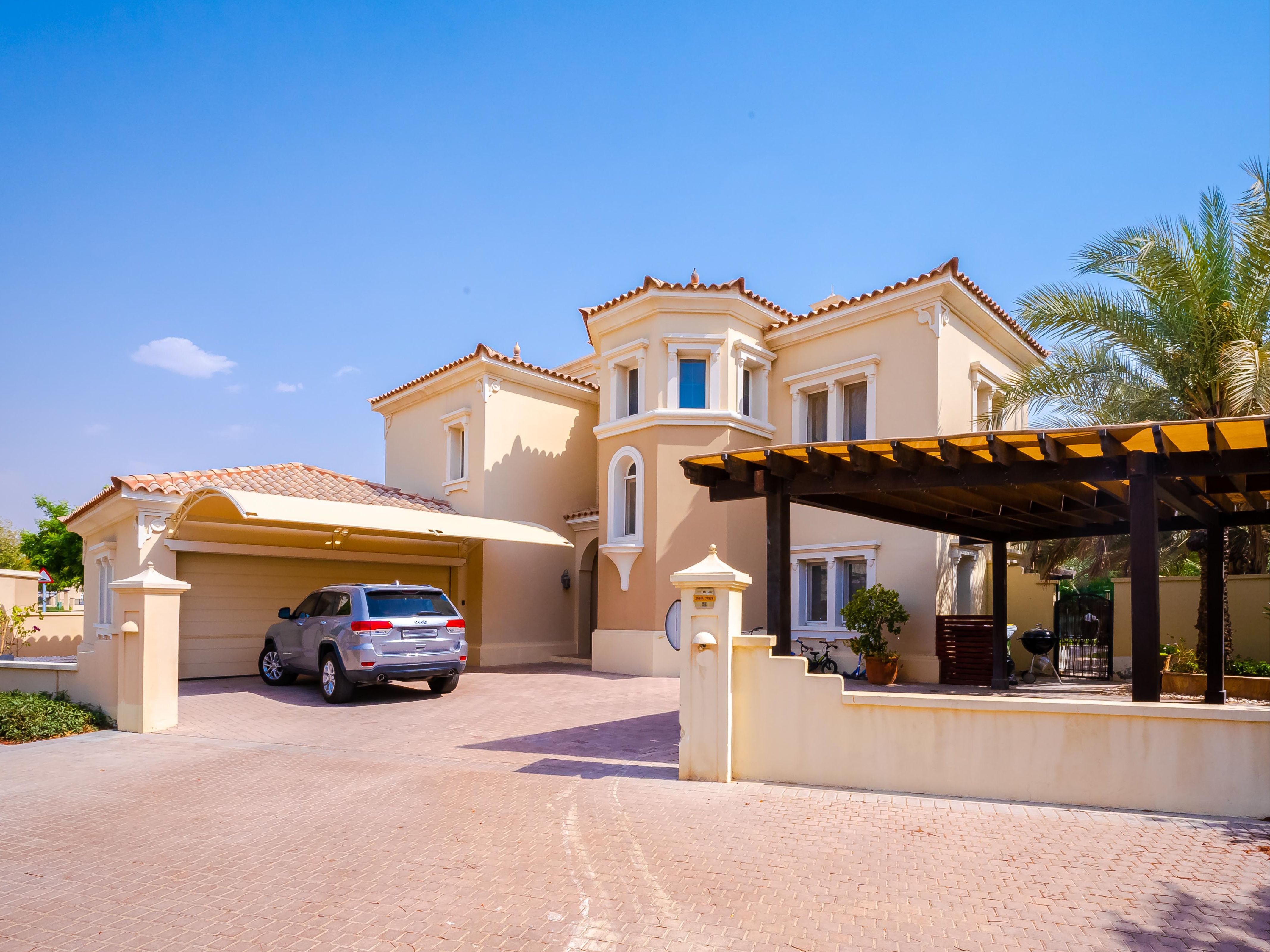
- Arabian Ranches Known for its suburban feel and desert views, it provides villas in a quieter setting with green spaces, facilities, and schools (e.g., Jumeirah English Speaking School). It's away from city hustle, which suits some but may increase commute times to Downtown.
- Jumeirah Village Circle (JVC) An affordable, growing area with apartments, townhouses, and villas, plus parks and sports facilities. It's popular with expats for its value, but some report traffic and construction issues. Proximity to Al Khail Road aids access.
- Palm Jumeirah This iconic island features exclusive waterfront villas with private beaches and high-end amenities (e.g., Atlantis Resort access). It offers privacy and luxury, but the high costs and island location can mean longer drives to mainland services.
- Dubai Silicon Oasis A tech-focused area with modern, energy-efficient villas and townhouses, plus schools (e.g., Indian International School), medical centers, and parks. It's sustainable and affordable relative to luxury spots, appealing to tech-savvy families.
- DAMAC Hills A family-friendly community with villas around a golf course, parks, and amenities like Malibu Bay wave pool. It's budget-friendly with strong ROI potential, but slightly farther from central Dubai.
- Emirates Living (The Springs/Meadows) Offers affordable townhouses and villas in gated sub-communities with lakes, parks, and schools (e.g., Dubai British School). It's serene and community-focused, ideal for mid-budget families, though older properties may need updates.
- Mirdif A suburban area with spacious villas, family malls (Mirdif City Centre), and schools (e.g., Uptown International School). It's more affordable and has a local feel, but public transport is limited.
What to Look for When Buying a Family Home in Dubai
Consider these factors to ensure the property fits your needs:
- Proximity to Schools Prioritize areas near reputable schools to minimize commutes, but factor in high fees and waiting lists.
- Community Amenities Seek parks, gyms, pools, and nearby shops/hospitals, while noting summer heat limits outdoor use. Check for family events and clubs.
- Safety and Security Opt for gated communities with surveillance, but review overall area traffic, air quality, and emergency response times.
- Future Growth Potential Choose developing areas (e.g., Dubai South or Palm Jebel Ali) for value appreciation, but be aware of construction disruptions and infrastructure delays.
- Sustainability and Modern Features Look for energy-efficient homes with smart tech, solar panels, or green certifications, especially in areas like Dubai Silicon Oasis.
- Legal and Financial Aspects Ensure freehold ownership for foreigners (available in designated areas), budget for 4% transfer fees, and consider financing options (mortgages up to 80% for expats).
Conclusion
Dubai provides various options for family homes, from luxury villas on Palm Jumeirah (AED 30M+) to more budget-friendly choices in JVC, Mirdif, or Dubai Silicon Oasis (AED 2–4M). While communities like Dubai Hills Estate, Arabian Ranches, and DAMAC Hills offer strong amenities and safety, families should also prepare for high costs, climate challenges, and cultural shifts. Research thoroughly, perhaps with a local agent or expat forums, to determine if Dubai aligns with your family's needs for a comfortable lifestyle in this vibrant city. For the latest updates, check resources like the Dubai Land Department or real estate platforms.
