
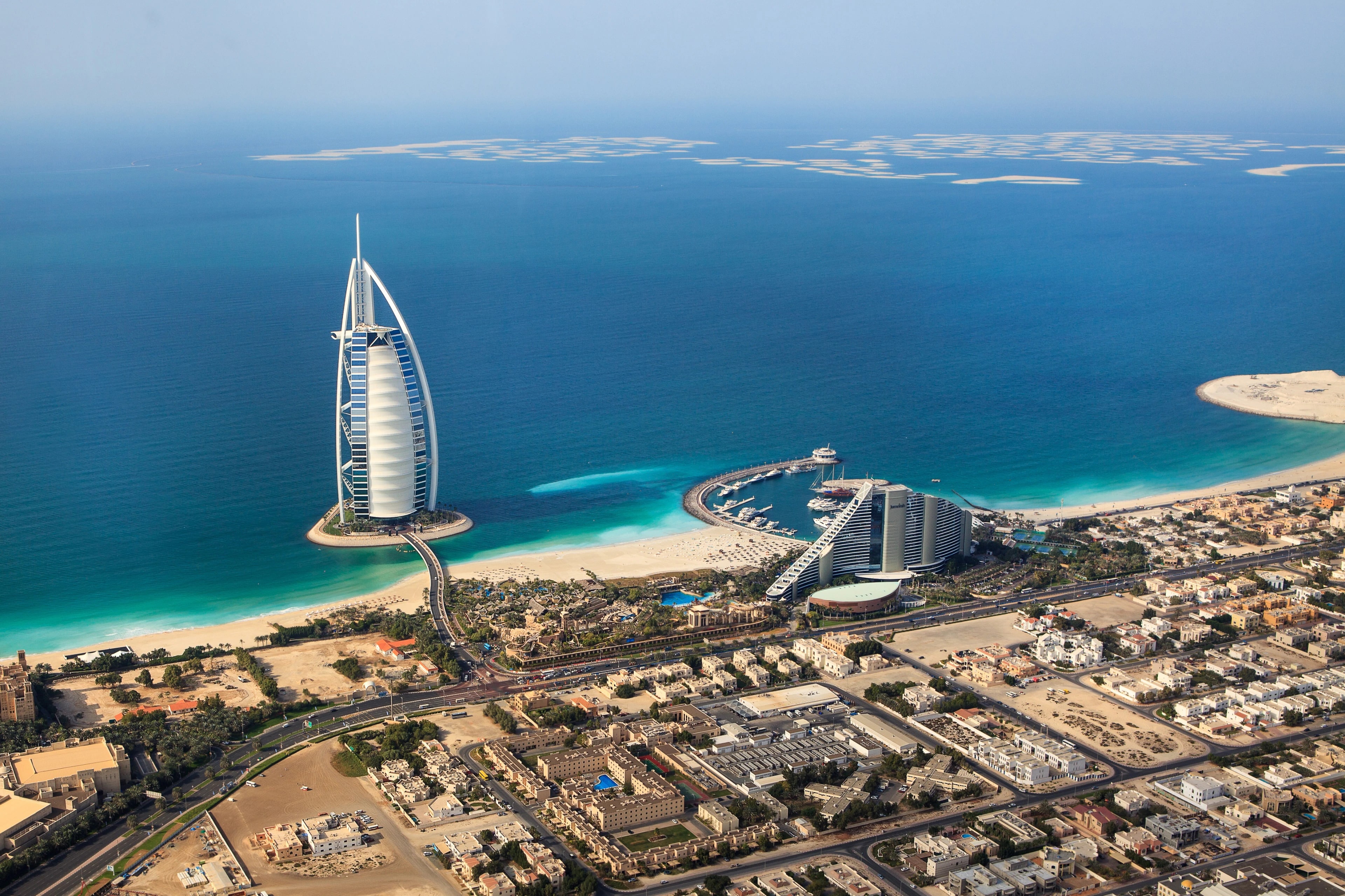
Dubai’s real estate landscape continues to captivate global buyers with its blend of luxury, innovation, and investment potential. As one of the world’s fastest-growing cities, Dubai offers a dynamic mix of modern skyscrapers, waterfront villas, and affordable apartments, making it an ideal destination for first-time homebuyers. Whether you’re an expat relocating for work, a UAE resident seeking stability, or an international investor eyeing high returns, purchasing property here can be a rewarding venture. However, the process involves navigating specific regulations, financial considerations, and market nuances that can feel daunting for newcomers.
In this comprehensive guide, updated for 2026, we’ll walk you through every step of buying your first home in Dubai. We’ll correct common misconceptions, provide accurate details based on current UAE Central Bank guidelines and Dubai Land Department (DLD) rules, and offer practical tips to ensure a smooth experience. From understanding down payments to avoiding pitfalls, this 1500+ word resource aims to empower you with the knowledge needed to make informed decisions. Let’s dive in.
Why Choose Dubai for Your First Home?
Dubai’s appeal as a first-time buyer’s market stems from its unique advantages. The city boasts a tax-free environment—no income tax, capital gains tax, or annual property taxes on ownership—which enhances affordability and long-term value. High rental yields, often ranging from 6-9% in popular areas, make properties attractive for both living and investing. For instance, a one-bedroom apartment in Jumeirah Village Circle (JVC) might yield 7-8% annually, providing steady income if you choose to rent it out.
The market’s diversity caters to various budgets and lifestyles. Affordable options start around AED 500,000 for studios in emerging communities like Dubai South or Arjan, while luxury villas in Dubai Hills Estate can exceed AED 10 million. Infrastructure developments, such as the expansion of Dubai Metro lines and new master-planned communities, continue to drive growth. In 2026, post-Expo 2020 momentum and initiatives like Dubai’s 2040 Urban Master Plan are boosting property values, with average appreciation rates of 5-10% per year in prime locations.
For first-time buyers, Dubai’s foreigner-friendly policies stand out. Non-UAE nationals can own freehold properties in over 40 designated areas, granting full ownership rights without needing a local sponsor. This openness has attracted a cosmopolitan crowd, with expats making up over 80% of the population. Additionally, buying property can qualify you for a Golden Visa—long-term residency—if the investment meets thresholds like AED 2 million. However, success depends on thorough preparation, as market fluctuations (e.g., influenced by global oil prices or tourism) can affect prices.
Current Market Trends for 2026
Before buying, it’s essential to research Dubai’s evolving market. In 2026, off-plan sales dominate, accounting for 60% of transactions due to flexible payment plans and potential for capital gains. Ready properties, however, offer immediate occupancy and are ideal if you need to move in quickly. Popular areas for first-timers include:
Jumeirah Village Circle (JVC):
Affordable (AED 800-1,200 per sq ft), family-friendly with parks and schools, and high yields (7-9%).
Dubai Marina:
Waterfront luxury (AED 1,500-2,500 per sq ft), vibrant nightlife, but higher service charges.
Downtown Dubai:
Iconic views of Burj Khalifa (AED 2,000-3,000 per sq ft), premium but with strong resale value.
Emerging spots like Dubai Creek Harbour or Mohammed Bin Rashid City offer growth potential with upcoming amenities.
Use tools like the DLD’s Dubai REST app or portals such as Bayut and Property Finder to track prices, transaction data, and rental trends. Factor in sustainability—many new developments now incorporate green features like solar panels, aligning with UAE’s net-zero goals by 2050.
Getting Your Finances in Order
Financial planning is crucial. Start by assessing your budget: Calculate your total purchasing power, including down payment, closing costs, and ongoing expenses. A common rule is to aim for a property where monthly mortgage payments don’t exceed 30-35% of your income.
Down payments vary significantly based on your residency status—a key detail often misunderstood. For UAE residents (including expats with a valid residency visa), the minimum is typically 20% for properties valued under AED 5 million. UAE nationals may qualify for as low as 15% through certain banks. For non-residents (international buyers without UAE residency), expect 35-50%, as loan-to-value (LTV) ratios are capped at 50-65%. This higher threshold reflects stricter lending criteria to mitigate risk.
For example, on a AED 1 million apartment:
- UAE resident: AED 200,000 down (20%).
- Non-resident: AED 350,000-500,000 down (35-50%).
Beyond the down payment, budget for closing costs totaling 7-10% of the property value:
- DLD transfer fee: 4% (paid by buyer).
- Agent commission: 2% + 5% VAT.
- Mortgage registration: 0.25% of loan amount.
- Valuation and admin fees: AED 2,000-5,000.
- NOC from developer: AED 500-5,000.
Ongoing costs include service charges (AED 10-30 per sq ft annually for maintenance), utilities (AED 500-1,000 monthly), and potential DEWA setup fees. Use online calculators from banks like Emirates NBD or HSBC to simulate scenarios.
Securing Financing: Options and Eligibility
If you’re not paying cash, financing is the next step. Dubai’s banks offer competitive mortgages, but terms differ by status.
For UAE Residents:
Up to 80% financing (LTV) for first homes under AED 5 million, with terms of 15-25 years. Interest rates hover at 4-5% (fixed or variable). Eligibility requires a minimum salary of AED 10,000-15,000 monthly, stable employment, and a good credit score via the Al Etihad Credit Bureau.
For Non-Residents:
Financing up to 50-65% LTV, with rates slightly higher (4.5-6%). Minimum income is often AED 15,000-25,000 equivalent, and you’ll need extensive documentation: Passport, income proof (last 6 months’ statements), credit reports from your home country, and employer letters. Banks like Mashreq or Standard Chartered cater to internationals.
Developer payment plans are an alternative, especially for off-plan properties. These allow payments in installments (e.g., 10% booking, 50% during construction, 40% on handover) without needing a mortgage initially. Post-handover mortgages can refinance the balance. Always compare: Bank loans might offer lower rates but require upfront approval.
To apply, gather documents like passport copies, Emirates ID (for residents), salary certificates, and bank statements. Pre-approval letters strengthen your offers. Note: Self-employed buyers face extra scrutiny, needing audited accounts.
Choosing Between Ready and Off-Plan Properties
This decision hinges on your timeline and risk tolerance. Ready properties—fully built and inspected—provide certainty and immediate rental income or occupancy. They’re pricier (5-10% premium) but avoid construction delays.
Off-plan options, sold during development, often cost 10-20% less with payment flexibility. Developers like Emaar or Damac tie installments to milestones (e.g., 20% at foundation, 30% at topping out). However, risks include delays (though DLD’s escrow accounts protect funds) or market shifts. In 2026, off-plan appeals to investors betting on appreciation in areas like Dubai Islands.
Inspect thoroughly: For ready homes, hire a snagging expert (AED 1,000-3,000) to check defects. For off-plan, review the master plan and developer track record.
Legal Requirements and Documentation
Dubai’s process is transparent but requires diligence. All transactions register with the DLD for legitimacy.
Key documents:
- Title deed: Confirms clear ownership, free of liens.
- SPA: Binding contract detailing price, payments, and handover.
- NOC: Issued by seller/developer, certifying no outstanding fees.
Benefits of Working with a Real Estate Agent
Licensed agents (via RERA) are invaluable. They access off-market deals, negotiate (saving 5-10% on price), and handle paperwork. Expect 2% commission, but their expertise—e.g., matching your budget to JVC bargains—pays off. Choose ones with 5+ years’ experience and positive reviews.
Dubai’s Property Laws for Foreigners
Foreigners enjoy equal rights in freehold areas like Palm Jumeirah or Business Bay. No ownership caps, but non-residents face higher financing hurdles. Inheritance follows UAE laws unless you specify via a will. Golden Visa perks apply for AED 2M+ investments. Always confirm zone status via DLD.
Conclusion
Buying your first home in Dubai is an exciting milestone, blending lifestyle perks with financial upside. By researching thoroughly, budgeting accurately (especially down payments: 20% for residents, 35-50% for non-residents), and seeking professional help, you can navigate it successfully. In 2026’s thriving market, opportunities abound—whether a cozy JVC apartment or a Marina penthouse. Start with a financial check-up, explore listings, and consult experts. With preparation, your Dubai dream home awaits.
