
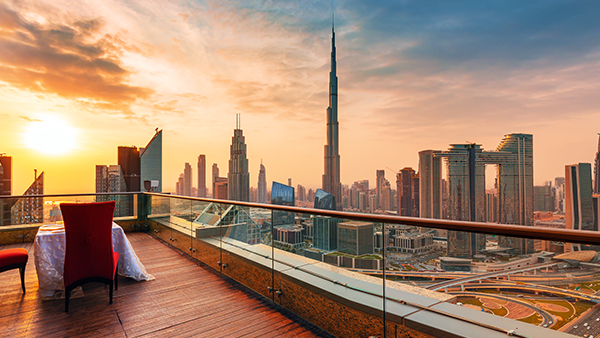
Dubai, the epitome of luxury and innovation, continues to captivate foreign property investors with its strategic location, tax advantages, world-class infrastructure, and dynamic lifestyle. As of February 2026, the city's real estate market remains resilient, driven by strong demand from global buyers, population growth, and economic diversification. Freehold properties, in particular, provide foreigners with unparalleled opportunities to own real estate outright in designated areas. This updated guide explores everything you need to know about buying freehold properties in Dubai, why it's a compelling investment for foreigners in 2026, and key considerations to ensure a smart purchase. With substantial new supply entering the market this year, including thousands of residential units, investors can benefit from competitive pricing and stable long-term potential.
What are Freehold Properties in Dubai?
Freehold properties grant owners perpetual rights to both the building and the underlying land, without time limits or restrictions on resale, leasing, or inheritance. This contrasts with leasehold options, which typically last 99 years and revert land ownership to the government or original landowner upon expiration. Dubai pioneered foreign freehold ownership in 2002 through dedicated laws, allowing non-UAE nationals to buy in approved zones. These rights mirror those of UAE citizens, enabling seamless transactions via the Dubai Land Department (DLD). In 2026, freehold zones remain extensive and investor-friendly, with popular master-planned communities offering integrated amenities for enhanced long-term value.
Key Benefits of Buying Freehold Properties in Dubai for Foreign Buyers
Investing in Dubai's freehold market offers a blend of financial perks and lifestyle advantages, making it one of the world's most investor-friendly destinations.
Full Ownership Rights
Foreigners enjoy complete control over their property, including the freedom to sell, rent, or transfer without needing a local sponsor. This autonomy, combined with transparent DLD processes, minimizes bureaucratic hurdles and enhances liquidity.
Competitive Rental Yields
Dubai's rental market delivers solid returns, with average gross yields around 6.76% in 2026. In prime freehold areas, yields vary by location and property type: premium districts like Dubai Marina (~6.16%) and Downtown Dubai (~5.80%) offer stability and high occupancy, while more affordable communities like Jumeirah Village Circle (JVC) deliver higher figures, often 7-9%. These rates outperform many global cities, supported by tourism, expatriate influx, and demand for both long-term and short-term rentals.
Favorable Tax Environment
There is no annual property tax for individual owners in Dubai. A 5% municipal housing fee applies based on the property's annual rental value (typically AED 2,000-8,000 per year for apartments, collected via utility bills like DEWA). No capital gains tax on personal property sales further boosts net returns, though corporate tax may apply in business contexts.
Residency Visa Opportunities
A freehold property investment of at least AED 2 million qualifies for the UAE Golden Visa, a renewable 5-year residency permit (extendable under the same conditions; often aligned with longer terms for qualifying investments). This can include family members and provides access to UAE banking, healthcare, and education. Multiple properties can combine to meet the threshold, and off-plan or mortgaged assets qualify if approved by relevant authorities (e.g., equity requirements apply for loans). For retirees aged 55+, a lower AED 1 million threshold may apply for a 5-year visa in certain cases.
Secure and Resilient Market
Dubai's real estate has demonstrated stability, with transparent regulations enforced by the DLD and Real Estate Regulatory Agency (RERA). In 2026, the market benefits from ongoing economic growth, population expansion, and tourism recovery. While price appreciation may moderate in some segments due to increased supply, demand remains strong in well-located freehold areas.
Best Areas to Buy Freehold Properties in Dubai for Foreign Buyers
Dubai's freehold zones cater to diverse preferences, from waterfront luxury to family-oriented suburbs. Here are top recommendations for 2026, based on yields, appreciation potential, amenities, and investor appeal.
Dubai Marina
This iconic waterfront district features high-rise apartments, penthouses, and villas with stunning marina views. Key attractions include vibrant nightlife, proximity to Jumeirah Beach Residence (JBR), and Palm Jumeirah. It's ideal for short-term rentals due to strong tourist appeal, with average yields around 6.16%.
Downtown Dubai
Home to the Burj Khalifa and Dubai Mall, this area offers luxury lofts and penthouses with skyline views. It's perfect for professionals near business hubs, with high-end shopping and dining. Yields hover around 5.80%, supported by premium demand.
Dubai Hills Estate
A green, family-focused community with villas, townhouses, and apartments amid parks and an 18-hole golf course. Excellent schools, hospitals, and lifestyle amenities nearby make it appealing for long-term living. Yields average about 6.12%.
Palm Jumeirah
The world-famous artificial island provides exclusive waterfront villas and apartments with privacy and luxury. It attracts high-net-worth buyers and renters, offering strong capital appreciation potential alongside competitive yields in the 6-8% range for select properties.
Jumeirah Village Circle (JVC)
An affordable yet vibrant community with apartments, villas, and townhouses in a family-friendly setting. Green spaces, modern infrastructure, and proximity to key areas drive high tenant demand. Yields often reach 7-9%, making it excellent for entry-level investors seeking higher returns.
These areas remain consistently popular freehold zones open to foreigners, with emerging options like Dubai Creek Harbour or Dubai South gaining traction for future growth.
How to Buy Freehold Property in Dubai as a Foreigner: Step-by-Step Guide
Navigating the process is straightforward with professional guidance.
Research and Select Property
Identify freehold zones aligning with your goals—rental income, residency, or appreciation. Consider location, yields (typically 6-8% average), infrastructure, and market trends. Engage a RERA-licensed agent for accurate insights and listings.
Verify Documents
Check title deeds, approvals, and any encumbrances via the DLD's online portal to ensure clear ownership.
Secure Financing
Non-residents can obtain mortgages from UAE banks, but terms are stricter: expect a down payment of 35-40% (LTV 60-65%), higher interest rates (around 4-5%), and requirements like minimum income thresholds (often AED 15,000+ monthly equivalent). For properties over certain values, down payments may increase. Cash buyers bypass these hurdles.
Sign Memorandum of Understanding (MOU)
Outline agreed terms, including purchase price and usually a 10% deposit. This document is legally binding.
Finalize and Register
Complete payment, cover the 4% DLD transfer fee (often split or buyer-paid), and register the property for title deed issuance.
Dubai Real Estate Market Outlook for 2026
As of early 2026, Dubai continues to attract investment with strong transaction volumes and stable fundamentals. Residential prices show moderated growth (around 5-8% projected in many segments), with villas often outperforming apartments due to limited supply. Rents remain resilient in prime areas, supported by population and tourism growth. Off-plan and ready properties both offer opportunities, with tech tools like blockchain registrations improving efficiency. Overall, a balanced, maturing market favors informed, long-term investors.
Conclusion: Is Dubai the Right Investment for Foreigners in 2026?
Dubai's freehold market stands out with attractive yields (6-8% average), visa pathways like the Golden Visa at AED 2 million, and a tax-efficient environment. By understanding current realities, verifying details, and partnering with trusted agents, foreigners can secure valuable assets in this vibrant city. Whether for a holiday home, rental income, or portfolio growth, Dubai offers enduring appeal with the right approach.
