
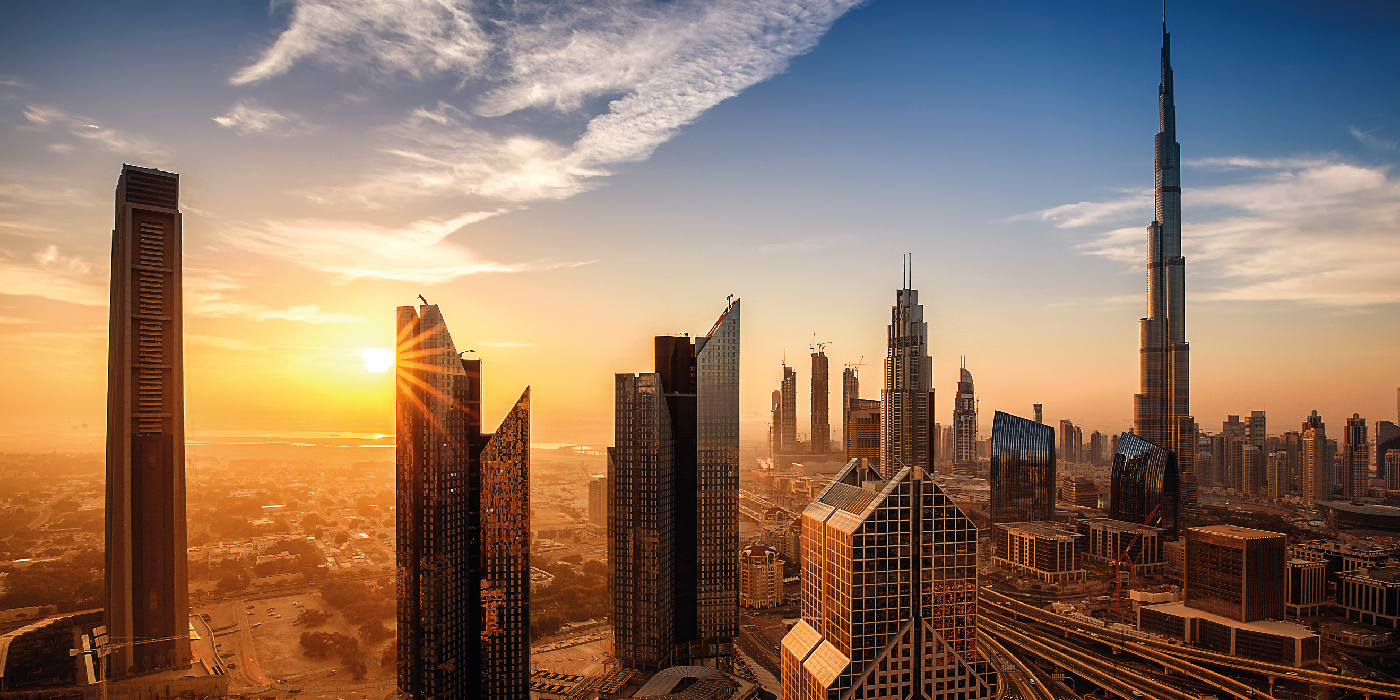
Dubai’s real estate market continues to attract global investors in 2026, thanks to its tax-free environment, strong economic fundamentals, population growth (exceeding 4 million residents), booming tourism, and investor-friendly policies like 100% foreign ownership in freehold areas. While the market has matured beyond the rapid gains of 2021–2024, it remains competitive globally, with average gross rental yields around 6–7% (higher in select areas) and projected capital appreciation of 4–7% in many segments—outperforming many mature cities like London or New York.
This updated guide provides a balanced, realistic overview of high-ROI opportunities, key locations (including emerging ones for better value), influencing factors, and practical tips to help maximize returns while acknowledging current market dynamics like moderating growth and incoming supply.
What is ROI in Real Estate and Why Does It Matter?
ROI (Return on Investment) measures the profitability of a property, combining rental yields (annual rental income as a percentage of purchase price) and capital appreciation (increase in property value over time).
In Dubai:
- Gross rental yields average ~6.76% citywide (apartments often 7%+, villas ~5%), boosted by no income or capital gains tax.
- Total ROI can reach 8–12%+ in strong cases (yield + appreciation), though net yields are lower after costs like maintenance (~1–2%).
- Factors include location, property type, supply/demand balance, and economic trends.
Dubai's advantages—strategic location, no taxes on rentals, and consistent demand from expats, tourists, and businesses—make it appealing, but 2026 brings more selective opportunities as the market stabilizes.
Key Locations for Strong ROI in 2026
Dubai offers diverse options. Prime areas provide prestige and steady appreciation, while emerging/mid-market zones often deliver higher rental yields due to affordability and growth potential. Here's a realistic selection based on current data:
Dubai Marina
Waterfront lifestyle with high expat/tourist demand. Strong for short-term rentals and yields around 6–7%. Excellent connectivity and capital growth, though entry prices are higher.
Downtown Dubai
Iconic landmarks (Burj Khalifa, Dubai Mall) drive tourist and business demand. Yields ~6–6.5% (strong for short-term), with solid appreciation in a central, supply-constrained area.
Dubai Hills Estate
Family-oriented master-planned community with luxury amenities. Villas/townhouses offer balanced yields (~5–6%) and good long-term appreciation, supported by green spaces and proximity to key hubs.
Dubai Creek Harbour
Emerging Emaar development with future landmarks (e.g., Creek Tower). High upside potential for appreciation as infrastructure matures; yields competitive for off-plan buys.
Emaar Beachfront
Luxury waterfront with premium appeal for high-net-worth tenants. Strong short-term rental potential and appreciation, though yields may be moderate compared to mid-market areas.
Arabian Ranches III
Affordable family villas/townhouses with excellent connectivity. Balanced ROI through rental demand and growth as the community expands.
Additional High-ROI Contenders (Often Overlooked for Higher Yields):
Jumeirah Village Circle (JVC) :
Affordable apartments/studios with yields up to 7–8.5%—among the highest in Dubai due to strong mid-market demand.
Arjan and International City:
Budget-friendly with yields reaching 8–9% in some segments, ideal for income-focused investors.
Dubai South:
Emerging near the airport/Expo site; high long-term appreciation potential (8–12% yields in select projects) as infrastructure develops.
Prime areas excel in prestige and stability, while emerging/mid-tier zones often provide better pure yields and entry-level pricing for stronger total ROI.
Factors Influencing ROI in Dubai Real Estate
Location:
Proximity to business districts, transport, and amenities drives demand.
Property Type:
Apartments suit higher yields/short-term rentals; villas favor appreciation and family tenants.
Market Demand:
Population influx, tourism (~18M+ visitors annually), and expat growth support rentals.
Supply Dynamics:
~100,000 units projected for 2026 (mostly apartments); potential pressure on yields in oversupplied mid-market segments, but villas remain undersupplied. No widespread crash expected—fundamentals absorb much of it.
Government Policies:
Tax-free income, flexible off-plan plans, and long-term visas enhance appeal.
How to Maximize ROI in Dubai’s Real Estate Market
Choose the Right Property Type
Apartments in mid/prime areas for yields; villas in family communities for appreciation.
Focus on Emerging and Mid-Market Neighborhoods
Areas like JVC, Al Furjan, or Dubai South offer higher yields and growth as they mature—often better value than saturated primes.
Leverage Short-Term Rentals Where Suitable
Tourist hotspots (Downtown, Marina) via platforms like Airbnb can boost returns, but factor in seasonality, competition, and regulations.
Diversify Your Portfolio
Mix residential, off-plan (for appreciation), and property types to balance risk.
Stay Informed on Trends
Monitor reports (e.g., Knight Frank, Savills) for supply waves, rental growth (~4–6% projected), and infrastructure projects.
Best Practices for Investing in Dubai
Research Thoroughly:
Analyze yields, supply, developer track records, and absorption rates.
Consult Experts:
Use licensed consultants, lawyers, and agencies for compliance and insights.
Monitor Yields and Costs:
Track net returns (after fees/maintenance) and seasonal factors.
Consider Off-Plan:
Flexible payments and potential 10–30% appreciation on handover, but select reliable developers to mitigate delays.
Assess Risks:
Be selective—avoid undifferentiated projects in high-supply zones; prioritize quality and demand drivers.
Conclusion: A Balanced Opportunity in Dubai for 2026
Dubai's real estate remains a strong investment destination in 2026, offering competitive yields, tax advantages, and growth potential in a stable, maturing market. While not the explosive boom of prior years, disciplined investors can achieve solid ROI (often 8%+ total) by focusing on high-demand locations, emerging value zones, and realistic strategies. Success depends on due diligence—cross-reference current data, align with your goals (income vs. growth), and consult professionals for personalized advice. With fundamentals intact, Dubai continues to stand out for long-term wealth building.
