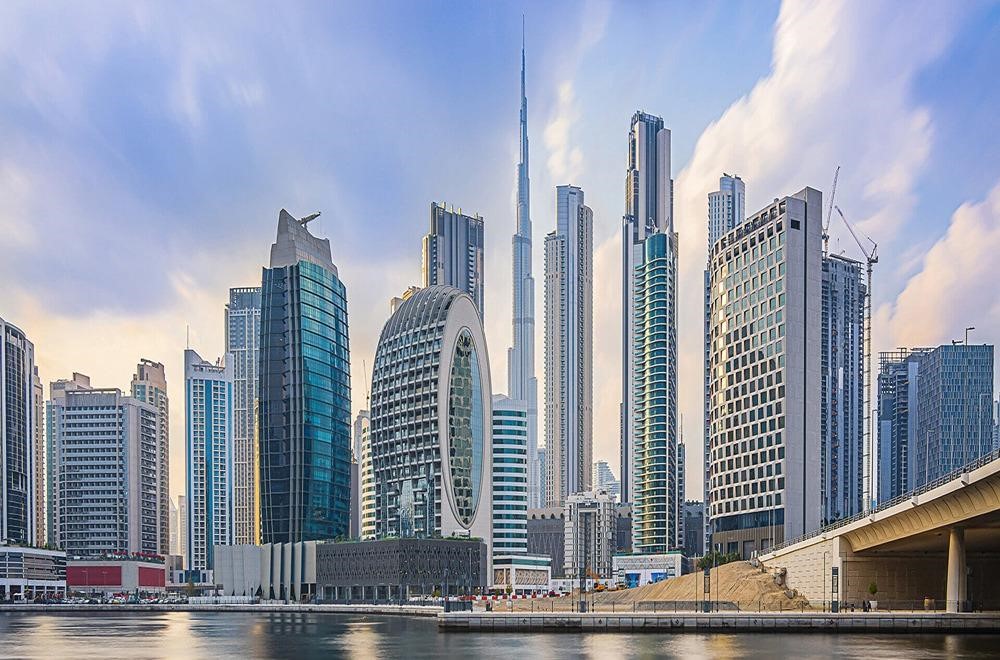
Dubai continues to attract global investors seeking a mix of rental income, capital appreciation, and long-term asset security. The city offers freehold ownership for foreigners in designated areas, a transparent regulatory framework, and strong underlying demand driven by population growth, economic diversification, and lifestyle appeal.
However, success in 2026 depends on realistic expectations. Average gross rental yields across Dubai typically range from 6% to 9%, with some affordable and mid-market communities delivering higher figures, while premium locations often offer lower yields offset by stronger appreciation potential. Net yields (after service charges, maintenance, vacancy, and management costs) are usually 1–2 percentage points lower.
Investors today must look beyond marketing slogans. The best opportunities combine solid tenant demand, good connectivity, reputable developers, and an understanding of market cycles — including the increased supply expected in certain segments this year.
Understanding ROI in Dubai Property
Return on Investment in Dubai real estate comes from two main sources: rental income and capital appreciation. Rental yields remain among the highest globally, but they vary significantly by location and property type.
- Apartments generally deliver higher percentage yields (often 7–9% gross in mid-market areas) than villas and townhouses (typically 5–7%).
- In 2026, top-performing areas for yields include Jumeirah Village Circle (JVC), Al Furjan, Discovery Gardens, International City, Dubai South, Arjan, and Dubai Silicon Oasis, where gross yields above 7–9% are still achievable for well-selected units.
- Premium districts such as Dubai Marina, Downtown Dubai, and Dubai Hills Estate tend to produce more moderate yields (around 5.5–7%) but have historically shown stronger long-term price growth.
Market conditions in 2026 are more measured than the rapid growth of 2023–2025. Rental growth is expected to moderate to roughly 3–6% due to new supply entering the market, particularly in the apartment segment. Price appreciation forecasts for the year range from modest (1–3% in mainstream areas) to more positive (4–8% in well-positioned communities), depending on infrastructure improvements and demand absorption.
What Makes a Strong Investment Property in Dubai?
Not every property delivers attractive returns. High-performing assets usually share these characteristics:
Location and connectivity
Proximity to metro stations, major roads, business districts, schools, and retail hubs drives both occupancy and resale value.
Tenant profile match
Studios and one-bedroom apartments appeal to young professionals and short-term expatriates, while townhouses and villas suit families seeking space and community amenities.
Developer reputation
Projects from established names (Emaar, DAMAC, Nakheel, Sobha, etc.) often benefit from better construction quality, timely delivery, and stronger secondary market confidence.
Community maturity
Established or rapidly maturing master-planned communities with parks, schools, and retail tend to maintain lower vacancy rates.
Build quality and layout efficiency
Practical floor plans, good natural light, and modern amenities support both rental appeal and long-term value retention.
In 2026, investors should pay close attention to the balance between current income and future growth. Areas with improving infrastructure (new metro lines, road upgrades) may offer better upside, while oversupplied pockets could see slower rental growth or temporary price pressure.
Key Factors Influencing ROI in 2026
1. Location Strength
Communities with strong transport links and proximity to employment or lifestyle zones continue to perform best. Examples include Business Bay and Dubai Marina for professionals, JVC and Al Furjan for balanced lifestyle and affordability, and Dubai Hills or Arabian Ranches for family-oriented living.
2. Supply and Demand Dynamics
Dubai’s population growth and continued influx of professionals support overall demand. However, a significant pipeline of new residential units — particularly studios and one-bedroom apartments — is scheduled for delivery in 2026. This increased supply is likely to moderate rental growth in some mainstream segments. Risks appear more concentrated in certain districts (e.g., parts of JVC, Mohammed Bin Rashid City, and Business Bay) rather than across the entire market. Villas and townhouses generally face less oversupply pressure and may remain more resilient.
3. Property Type
- Apartments: Best for consistent cash flow, especially in mid-market locations.
- Townhouses: Popular with families; they often combine decent yields with stable long-term tenancies.
- Villas: Typically lower yields but appeal to premium tenants and can deliver solid appreciation in secure, gated communities.
- Off-plan properties: Can offer entry at lower prices and potential capital gains upon completion, but they carry higher risk related to construction delays, quality, and market conditions at handover. In an environment with rising supply, selecting off-plan from reputable developers with strong escrow protection and realistic completion timelines is essential.
4. Developer and Project Fundamentals
Always verify RERA registration, escrow arrangements, and the developer’s track record. Strong community planning and amenity delivery significantly influence both rental performance and resale liquidity.
Promising Property Categories in 2026
Apartments in Well-Connected Areas
Mid-market apartments in JVC, Al Furjan, Dubai Silicon Oasis, and Business Bay often provide attractive yields combined with reasonable entry prices. These appeal to a broad tenant base of professionals and families.
Townhouses and Villas in Family Communities
Master-planned areas such as DAMAC Hills, Dubai Hills Estate, Arabian Ranches, and Town Square remain popular. These communities offer schools, parks, and retail, supporting longer tenancy periods and more stable income.
Off-Plan in Growth Corridors
Select projects in emerging zones linked to infrastructure (e.g., areas benefiting from Al Maktoum Airport expansion or future metro lines) can still present opportunities, provided investors conduct thorough due diligence on delivery timelines and surrounding development plans.
Waterfront and Premium Residences
These segments generally deliver lower rental yields but benefit from scarcity and lifestyle appeal, making them suitable for investors prioritizing capital appreciation and prestige.
How to Choose the Right Property
Follow a structured process:
- Define your goals — Is the priority high current yield, capital growth, or a balance of both?
- Identify the target tenant or end-buyer.
- Evaluate location fundamentals, infrastructure plans, and community maturity.
- Review developer credibility and project-specific details via official DLD/RERA channels.
- Calculate realistic net returns, factoring in all costs (service fees, maintenance, potential vacancy, agency fees).
- Consider exit strategy and liquidity — how easy will it be to resell in 3–5 years?
Avoid common pitfalls: buying based solely on marketing hype, ignoring supply risks in a chosen micro-location, or underestimating ongoing costs. Always compare multiple options and seek independent advice where needed.
The Role of Professional Guidance
Navigating Dubai’s diverse market — with its mix of established districts, emerging communities, and varying risk profiles — benefits from experienced support. A knowledgeable advisor can help align opportunities with your risk tolerance, investment horizon, and financial objectives.
At Noor Ishraq Real Estate, the team focuses on providing transparent, data-informed guidance across apartments, townhouses, villas, and off-plan projects. Whether you are a first-time investor or building a larger portfolio, the emphasis is on matching properties to current market realities and long-term potential.
Outlook for Dubai Real Estate
Dubai’s long-term appeal rests on its strategic location, business-friendly environment, safety, and continuous infrastructure investment. While 2026 is expected to be a year of moderation compared to the previous boom, well-selected properties in high-demand communities should continue to deliver competitive returns relative to most global markets.
Investors who prioritize fundamentals — strong locations, reputable developers, realistic yield expectations, and awareness of supply dynamics — are best positioned to benefit from both income and appreciation over time.
Conclusion
Dubai remains one of the more attractive real estate markets for investors seeking international diversification and solid risk-adjusted returns. However, high ROI is not automatic. It requires careful selection based on location, property type, timing, and a clear understanding of 2026 market conditions, including moderating rental growth and segment-specific supply pressures.
