
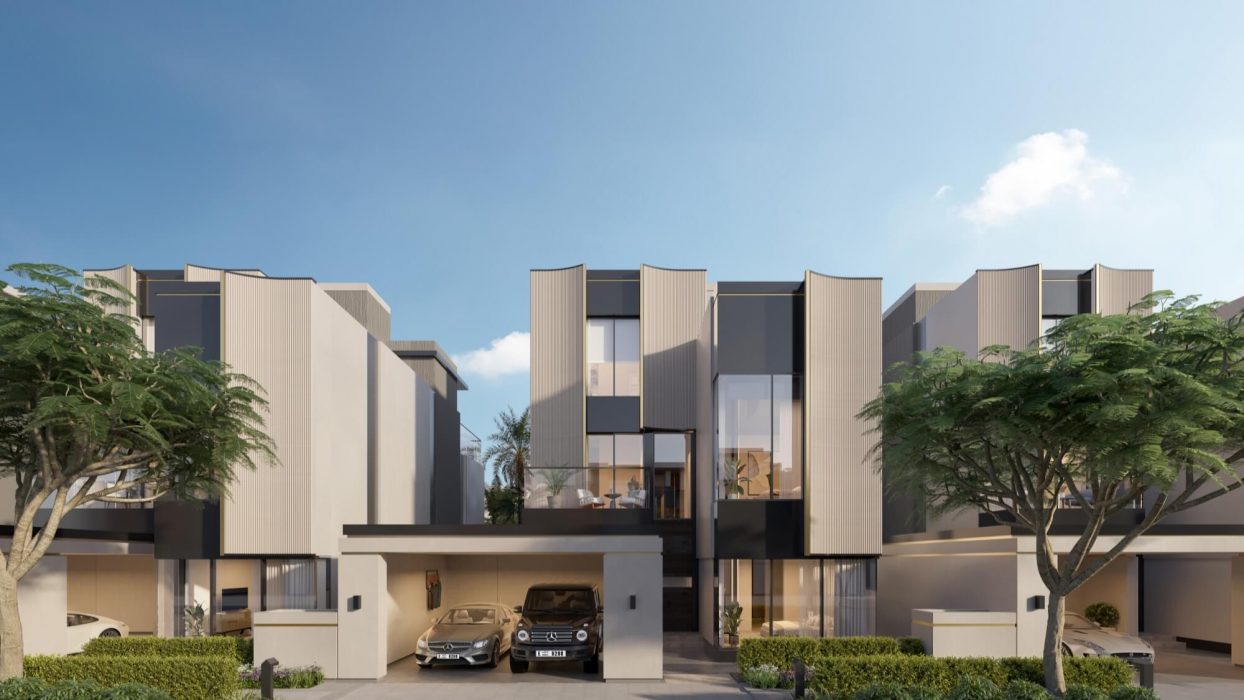
Buying a villa in Dubai can be a rewarding experience, offering luxury living, attractive rental yields, and strong long-term investment potential in one of the world’s most dynamic real estate markets. Whether you’re purchasing for personal use, as an investment, or as a vacation home, the process involves several important steps. This guide walks you through the complete process of buying a villa in Dubai to help you make informed decisions and ensure a smooth transaction.
Understand the Real Estate Market in Dubai
Dubai’s real estate market is diverse and continuously evolving. It features everything from more affordable family villas to ultra-luxury estates. Before making any purchase, it is essential to research current market trends, property prices, and the legal framework for ownership.
In Dubai, foreigners can own freehold properties in designated freehold zones. Popular freehold areas for villas include Palm Jumeirah, Dubai Hills Estate, Arabian Ranches, Meydan, and Jumeirah Islands. Understanding the difference between freehold and leasehold properties, along with current supply and demand dynamics, helps buyers make better decisions.
Research the Best Locations for Villa Purchases
Choosing the right location is one of the most critical decisions when buying a villa in Dubai. Each community offers a different lifestyle and investment profile. Some of the most popular areas for villas include:
- Palm Jumeirah: Iconic man-made island known for luxurious beachfront villas and stunning sea views.
- Dubai Hills Estate: A modern, master-planned community featuring green spaces, parks, and excellent connectivity to business districts.
- Arabian Ranches: Family-oriented area with spacious villas, golf courses, schools, and community facilities.
- Meydan: Offers luxury villas with scenic views, equestrian facilities, and sports amenities.
- Jumeirah Islands: Prestigious gated community with lagoon views and a tranquil environment.
When selecting a location, consider factors such as proximity to workplaces or schools, available community amenities, future infrastructure developments, and potential for capital appreciation and rental demand.
Check Your Eligibility to Buy Property in Dubai
Foreign nationals are permitted to purchase freehold villas in designated areas in Dubai. However, not all properties are available for foreign ownership. It is important to verify that the villa you are interested in is located within an approved freehold zone. Consulting with a licensed real estate agent or the Dubai Land Department can help clarify your eligibility and any specific requirements based on your nationality and residency status.
Determine Your Budget and Financing Options
Establishing a realistic budget is crucial before starting your property search. Factor in the purchase price as well as additional costs such as the 4% Dubai Land Department transfer fee, agent commission (usually 2%), maintenance fees, and any other applicable charges.
Financing options in Dubai typically include:
Mortgage Financing:
Many local and international banks provide home loans to expats. Down payment requirements for non-residents are often 25-30%, with repayment periods ranging from 15 to 25 years.
Cash Purchases:
Paying in full can sometimes strengthen your negotiating position and speed up the process.
Developer Payment Plans:
For off-plan villas, developers frequently offer installment plans spread over several years.
Carefully assess your financial situation and seek pre-approval where necessary to understand your borrowing capacity.
Work with a Trusted Real Estate Agent
Engaging a licensed and experienced real estate agent is highly recommended when buying a villa in Dubai. A professional agent can provide access to a wider selection of properties, offer market insights, assist with negotiations, and guide you through the legal and administrative procedures.
Look for agents who are registered with the Real Estate Regulatory Agency (RERA) and have a proven track record in the villa segment. They can help you avoid common pitfalls and ensure the transaction complies with all regulations.
Visit Properties and Evaluate the Options
After shortlisting potential villas, schedule in-person viewings whenever possible. Physical visits allow you to assess the actual condition of the property, the quality of construction, the layout, outdoor spaces, and the overall community atmosphere.
Key aspects to evaluate during viewings include:
- Condition and age of the villa (new vs. resale)
- Views and natural light
- Community facilities such as pools, gyms, parks, and security
- Proximity to essential services like schools, hospitals, and shopping areas
- Potential renovation or maintenance requirements
Make an Offer and Negotiate
Once you find a villa that suits your needs, your agent can help you prepare and submit a formal offer. Negotiation is common in the Dubai market, particularly for resale properties or slower-moving listings.
When an offer is accepted, both parties usually sign a Memorandum of Understanding (MOU) or Form A that outlines the agreed price, payment terms, and other conditions. This document is an important step before proceeding to the full sales agreement.
Legal and Documentation Process
The legal process for buying property in Dubai is relatively structured. Required documents typically include:
- Valid passport copies
- Proof of visa or residency status (if applicable)
- Mortgage pre-approval letter (if financing)
- Signed sale and purchase agreement
The final step involves paying the 4% transfer fee to the Dubai Land Department (DLD), after which the title deed is transferred to the buyer’s name. It is advisable to involve a real estate lawyer for complex transactions to ensure all paperwork is handled correctly.
Handover and Post-Purchase Considerations
After the title deed is issued, the property is handed over. Conduct a thorough inspection during the handover to confirm that the villa is in the agreed condition. Address any defects or missing items immediately with the seller or developer.
Post-purchase tasks include setting up utilities (DEWA, Etisalat/Du), arranging home insurance, and registering for community maintenance services if the villa is part of a managed development.
Consider Rental or Investment Potential
Many buyers purchase villas in Dubai for both personal use and investment. The city continues to attract high demand for quality rental villas due to its growing expat population and tourism sector.
If you plan to rent out the property, you can opt for long-term rentals or short-term holiday lets via platforms such as Airbnb. Engaging a professional property management company can help maximize occupancy and returns while handling day-to-day operations.
Conclusion
Buying a villa in Dubai requires careful research, proper budgeting, and professional guidance, but it can offer an excellent lifestyle and investment opportunity. By following a structured approach and working with qualified professionals, you can navigate the process successfully.
This guide provides a general overview based on standard practices in the Dubai real estate market. Property laws and market conditions can change, so always verify the latest requirements with official sources or licensed experts before proceeding with any purchase.
If you are considering buying a villa in Dubai, seeking advice from RERA-registered agents and legal professionals is strongly recommended to ensure a secure and transparent transaction.
