
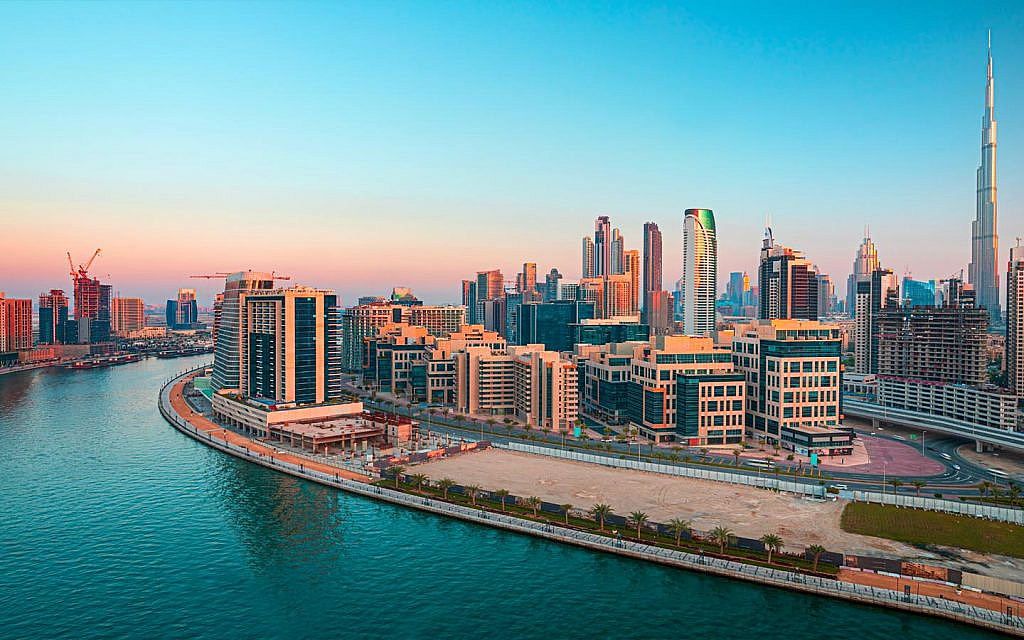
Off-plan properties continue to be one of the most popular choices in Dubai’s real estate market. Buyers purchase units while the development is still in the planning or construction phase, often at prices more attractive than those of completed properties. Thanks to robust oversight by the Dubai Land Department (DLD) and the Real Estate Regulatory Agency (RERA), Dubai provides a well-regulated environment for off-plan investments, offering stronger buyer protections than many other international markets.
This comprehensive guide explains what off-plan properties are, their real benefits and risks, the correct step-by-step buying process, associated costs, and practical tips for success in 2026.
What Is an Off-Plan Property?
An off-plan property is a real estate unit sold before or during construction. Buyers commit based on approved architectural plans, 3D renderings, and detailed specifications provided by the developer. Upon project completion, the developer hands over the finished unit, and the buyer receives the official title deed from the DLD.
Dubai’s off-plan market operates under strict regulations. All buyer payments must be deposited into a project-specific escrow account managed by an independent escrow agent, typically a licensed bank. Funds are released to the developer only after independent verification of construction milestones. This requirement, established under Law No. 8 of 2007, greatly reduces the risk of fund misuse and provides significant buyer protection.
After signing the Sales and Purchase Agreement (SPA), the developer is required to register the transaction on the DLD’s Oqood (interim property register) system. This registration generates an official Oqood certificate that confirms the buyer’s legal interest in the specific unit and helps prevent double-selling. In practice, registration and issuance of the certificate usually occur within 2–4 weeks after the SPA is signed and required fees are paid, though timelines can vary slightly depending on documentation and processing.
Why Consider Off-Plan Properties in Dubai?
Dubai’s strong economy, population growth, and ongoing infrastructure projects continue to drive real estate demand. The main advantages of buying off-plan include:
Potential for Capital Appreciation
Units can increase in value as construction advances and the project approaches completion. Prime and emerging locations have historically shown solid growth, but past performance is not a guarantee of future results.
Flexible Payment Plans
Most developers offer construction-linked installment plans, with payments tied to project milestones such as foundation or structural completion. Some projects also provide post-handover plans that allow the remaining balance to be paid over 2–5 years after receiving the keys. Typical structures start with a 10–20% initial deposit, with the balance spread across the construction period.
Diverse Property Options
Buyers can select from luxury waterfront residences in areas like Dubai Creek Harbour or Emaar Beachfront, family-oriented communities such as Dubai Hills Estate, or more value-driven options in Jumeirah Village Circle (JVC). Emerging districts often deliver better entry prices and stronger long-term growth potential.
Modern Design and Amenities
Contemporary projects typically feature smart-home technology, sustainable elements, and premium communal facilities including swimming pools, gyms, landscaped gardens, and retail outlets.
Developer Incentives
New launches frequently include discounts, contributions toward the 4% DLD registration fee, free service charges for the first 1–2 years, or other benefits. All incentives must be confirmed in writing within the SPA.
Essential Regulatory Protections in 2026
Dubai’s regulatory framework offers meaningful safeguards for buyers:
RERA Oversight:
All off-plan projects require RERA approval and ongoing monitoring to enforce timelines, quality standards, and transparency.
Escrow Accounts:
Mandatory for all off-plan sales. Payments go directly into a regulated escrow account, protecting buyers from misuse of funds.
Oqood Registration:
Provides official proof of the buyer’s interest and prevents duplicate sales.
DLD Fees:
A standard 4% registration/transfer fee applies to the property value. Buyers are typically responsible for this fee, although developers may offer contributions or waivers as promotional incentives. Additional trustee or administrative fees usually range from AED 1,000 to AED 5,000. Since early 2025, banks generally do not finance the 4% DLD fee in mortgages — it must be paid in cash.
Before making any payment, always verify that the project and developer are properly registered with both DLD and RERA using official portals or the Dubai REST app.
Step-by-Step Process to Buy Off-Plan Property in Dubai
Step 1: Research and Due Diligence
Analyze market trends, location fundamentals (transport links, future infrastructure, and demand drivers), and the developer’s track record. Review past project delivery times, quality, and financial stability. Favor established developers with proven on-time completion history.
Step 2: Engage a RERA-Licensed Real Estate Agent
Work with a licensed professional who can help identify suitable projects, explain terms clearly, and ensure full regulatory compliance. Avoid unlicensed intermediaries.
Step 3: Evaluate the Payment Plan and Total Costs
Carefully review the full payment schedule, including the 4% DLD fee (unless waived), Oqood/trustee fees, future annual service charges, and any potential financing requirements near handover. Compare construction-linked plans with post-handover options based on your cash flow.
Step 4: Reserve the Unit
Pay a booking fee or initial deposit (typically 5–10%) to secure your chosen unit. This amount is often refundable under certain conditions before the SPA is signed.
Step 5: Review and Sign the Sales and Purchase Agreement (SPA)
This legally binding contract outlines the price, payment schedule, unit specifications, expected handover date, delay penalties, and provisions for any material changes. Always have an independent real estate lawyer review the SPA before signing.
Step 6: Verify Oqood Registration and Monitor Construction
Confirm that the developer has registered the unit on the Oqood system and that you receive the certificate. Track progress through official developer updates, site visits (where permitted), or the Dubai REST app. Prepare for milestone-based payments as construction advances.
Step 7: Final Inspection and Handover
Before accepting the keys, conduct a thorough “snagging” inspection to identify any defects or unfinished work. Complete the final payment, resolve any issues with the developer, and receive the title deed once the project is fully registered with the DLD.
Conclusion
Buying off-plan properties in Dubai can provide attractive opportunities for capital appreciation, portfolio diversification, and modern living when handled with proper research and caution. The market benefits from flexible payment plans, high-quality new developments, and strong regulatory measures — including mandatory escrow accounts and Oqood registration — that enhance buyer security.
Success ultimately depends on thorough due diligence. Prioritize reputable developers, fully understand all costs (especially the 4% DLD fee), carefully review every contract clause, and seek professional legal and financial advice. View potential delays and market shifts as normal considerations rather than surprises.
In 2026, Dubai’s real estate sector continues to demonstrate resilient fundamentals supported by economic diversification and infrastructure growth. Informed investors who respect the process and utilize available safeguards are best positioned to benefit from one of the world’s most dynamic property markets.
Whether your goal is a luxury home, reliable rental income, or long-term wealth building, off-plan properties can form a valuable part of a diversified strategy. Take the time to verify every detail, align decisions with your financial objectives, and partner with trusted experts to ensure a smoother and more secure investment journey.
