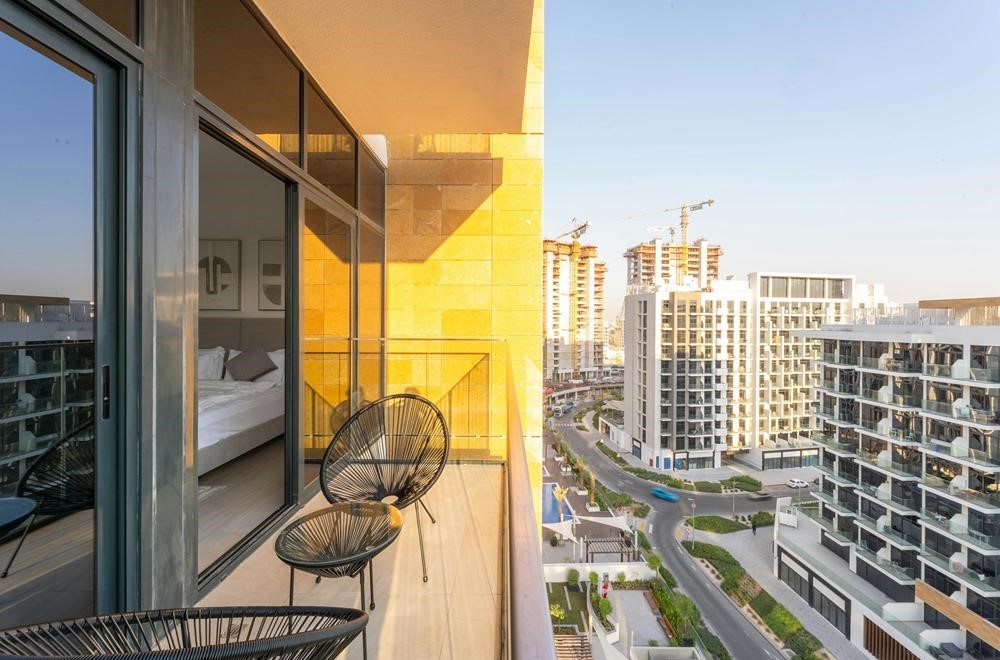
Dubai continues to stand out as one of the world’s most dynamic and rewarding real estate markets. With its tax-free environment, modern infrastructure, investor-friendly policies, and exceptional lifestyle offerings, the city attracts investors seeking stable rental income, capital appreciation, and portfolio diversification. As we progress through 2026, Dubai’s real estate sector remains resilient, supported by population growth, tourism strength, large-scale infrastructure projects, and ongoing economic diversification.
This comprehensive guide explains how to invest in Dubai real estate, covering key advantages, the step-by-step process, proven strategies, market performance, top areas, and practical tips to help you make informed decisions.
Why Dubai Real Estate Is a Strong Investment Choice in 2026
Dubai offers a unique combination of lifestyle appeal and investment potential. One of the biggest advantages is its tax-free structure: there is no annual property tax, no capital gains tax on property sales, and no personal income tax on rental earnings. This allows investors to retain full net returns, significantly outperforming many international markets where taxes can reduce profits substantially.
Rental demand remains consistently strong, driven by a large and growing expatriate population, professionals relocating for opportunities, and robust tourism. This supports attractive rental yields that are among the highest globally. As of 2026, average gross residential yields hover around 6.5–7%, with apartments in well-chosen locations often delivering 7–8% or higher.
The city’s highly regulated and transparent property system, overseen by the Dubai Land Department (DLD) and Real Estate Regulatory Agency (RERA), provides confidence and security. World-class infrastructure, safety, global connectivity, and continuous development further enhance Dubai’s position as a top-tier real estate destination.
In 2026, the market benefits from major initiatives under the Dubai 2040 Urban Master Plan, airport expansions, and new communities. These factors create sustained demand and long-term value appreciation potential for strategic investors.
Step-by-Step Process: How to Invest in Dubai Real Estate
Successful investment begins with a structured approach:
Define Your Investment Goals
Clarify your objectives—whether generating steady rental income, pursuing capital appreciation, combining both, or planning for short-term gains. Clear goals guide your choice of property type, location, and holding period.
Select the Right Location
Dubai offers diverse high-performing areas tailored to different investor needs:
Established hotspots:
Dubai Marina, Downtown Dubai, Business Bay, and Jumeirah Lake Towers (JLT) for strong rental demand and liquidity.
Family-oriented communities:
Jumeirah Village Circle (JVC), Dubai Hills Estate, and Arabian Ranches.
Emerging growth areas:
Dubai South, Dubai Creek Harbour, Palm Jebel Ali, Mohammed Bin Rashid City (MBR City), and Dubai Islands. Each location has unique price points, ROI potential, and lifestyle benefits. Research current demand, infrastructure developments, and future plans.
Choose the Property Type
- Apartments: Ideal for rental income due to high demand from professionals and ease of management. Studios, one-, and two-bedroom units often deliver the strongest yields.
- Villas and Townhouses: Better suited for long-term capital growth and family living, with appeal in suburban communities.
- Off-plan Properties: Popular for lower entry prices, flexible payment plans (often spanning 1–5 years), and potential appreciation upon completion.
Arrange Financing
Investors can purchase with full cash for maximum flexibility and negotiation power. Mortgage options are available from local and international banks, typically up to 50–80% loan-to-value depending on residency status and property. Off-plan projects frequently offer attractive installment plans with low initial deposits, making them accessible for a wider range of investors.
Work with Licensed Professionals
Engage RERA-licensed real estate agents and consultants. Experienced professionals help identify suitable opportunities, negotiate favorable terms, ensure legal compliance, and streamline the buying process.
Complete the Legal and Registration Process
The process is straightforward and transparent through the Dubai Land Department:
- Sign the Memorandum of Understanding (MoU/Form F) with a deposit (typically 10%).
- Obtain necessary No Objection Certificates (NOCs).
- Pay the 4% DLD transfer fee and complete ownership registration. Upon finalization, you receive the title deed, confirming full legal ownership. Additional costs may include agent fees (around 2% + VAT) and minor administrative charges.
Investment Strategies in Dubai Real Estate
Several proven strategies work effectively in the 2026 market:
Buy-and-Hold Strategy:
Purchase quality properties and hold for ongoing rental income plus long-term appreciation. This approach suits investors seeking stability and compounding returns.
Off-Plan Investment:
Buy at pre-construction prices with extended payment plans. Many projects deliver strong value uplift upon handover, supported by Dubai’s development pipeline.
Short-Term Rental Investment:
Capitalize on tourism and business travel by listing on licensed holiday rental platforms. This can generate higher monthly income than traditional long-term leases in prime locations.
Capital Growth Focus:
Target emerging communities with major upcoming infrastructure, positioning for significant appreciation over 3–7 years.
A blended approach—combining rental yield with growth potential—often delivers the best overall results.
ROI and Market Performance in Dubai
Dubai real estate continues to deliver competitive returns. Average gross rental yields range between 6% and 8% across many areas, with some mid-market and high-demand communities achieving even stronger performance. Apartments generally outperform villas in yield metrics.
Capital appreciation remains solid, fueled by population expansion, economic growth, tourism, and continuous infrastructure investment. Waterfront, luxury, and well-connected communities tend to show the strongest long-term value increases.
In 2026, the market offers excellent entry opportunities with a variety of ready and off-plan projects. Consistent demand and limited land supply in prime zones support positive performance for well-selected investments.
Best Areas to Invest in Dubai
Dubai’s expansion creates exciting opportunities across established and emerging districts:
Dubai South:
Emerging as a major hub due to Al Maktoum International Airport expansion and logistics developments. Offers strong long-term growth and attractive pricing.
Dubai Creek Harbour:
A flagship waterfront destination with iconic projects, stunning views, and premium lifestyle amenities. Excellent for both lifestyle and appreciation.
Palm Jebel Ali:
Luxury waterfront living with significant development momentum and high-end appeal.
Jumeirah Village Circle (JVC) and Arjan:
Popular for affordable entry, high rental yields, and strong tenant demand.
Mohammed Bin Rashid City (MBR City) and Dubai Islands:
Promising areas with master-planned communities and future value upside.
Core Locations:
Dubai Marina, Downtown Dubai, and Business Bay continue to deliver reliable performance and liquidity.
Selecting the right area aligned with your goals and timeline is one of the most important decisions for maximizing returns.
Practical Tips for Successful Investment
- Start with thorough research using official DLD data and reputable market reports.
- Consider Golden Visa benefits, which are available for qualifying property investments (typically AED 2 million+).
- Factor in all associated costs, including service charges, maintenance, and furnishing (where applicable for short-term rentals).
- Engage professional property management services for hassle-free ownership, especially if you are an overseas investor.
- Plan for the long term—Dubai’s vision and growth trajectory reward patient, strategic investors.
- Work with trusted, licensed partners throughout the process to ensure smooth transactions and optimal outcomes.
Conclusion
Investing in Dubai real estate in 2026 opens access to one of the most dynamic and profitable property markets globally. The combination of tax-free benefits, strong rental yields, lifestyle advantages, and continuous development makes it an outstanding choice for global investors.
Success comes from clear goal-setting, careful location and property selection, understanding available strategies, and partnering with experienced professionals. As Dubai advances with ambitious projects and economic growth, real estate opportunities will continue to deliver significant value for long-term wealth creation.
Whether you are a first-time investor or expanding an existing portfolio, Dubai offers diverse options to match your objectives. With the right approach, your investment can generate attractive returns while providing a stake in one of the world’s most exciting cities.
