
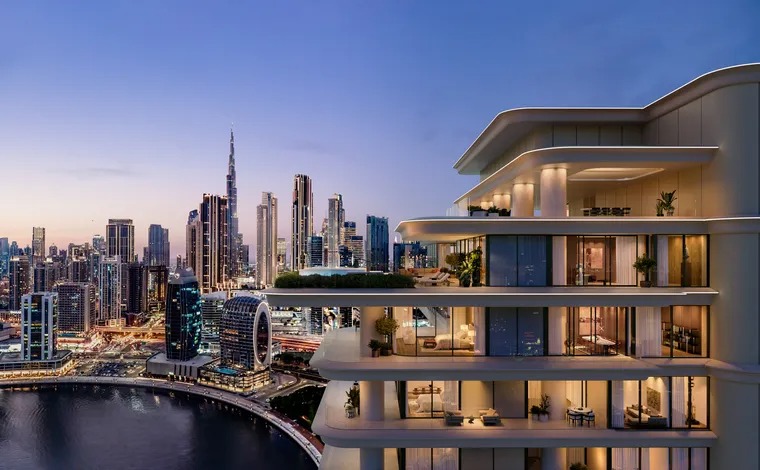
Dubai’s luxury real estate market has delivered impressive growth over the past decade, driven by world-class infrastructure, economic diversification, and its status as a global hub for high-net-worth individuals and expats. Luxury apartments remain one of the most accessible entry points for investors, offering a mix of rental income, potential capital growth, and lifestyle appeal. However, as we move through 2026, the market has transitioned from the post-pandemic boom to a more mature, balanced phase. This guide provides accurate, up-to-date insights into the luxury apartment sector, highlighting prime locations, current trends, realistic returns, and key considerations for both new and experienced investors.
Why Consider Luxury Apartments in Dubai in 2026?
Dubai continues to stand out for its modern infrastructure, safety, and investor-friendly policies. The city’s population growth, driven by expats and professionals, sustains strong demand for high-end residential properties. Here’s a realistic look at the advantages:
Competitive Rental Yields:
Gross rental yields for apartments average around 7% citywide as of early 2026 — significantly higher than in many global cities like London or New York (often below 4%). In prime luxury segments, yields typically range from 5–6.5%, with some waterfront or emerging areas offering closer to 7–8%. These figures remain attractive, especially on a net basis after service fees, though actual returns depend on location, unit size, and occupancy.
Long-Term Capital Appreciation Potential:
After years of strong gains, price growth is moderating. Analysts project overall residential appreciation of 5–10% in 2026, with apartments around 7% and prime luxury properties showing resilience due to limited new supply in established districts. Villas and townhouses are currently outperforming apartments in appreciation, but well-located luxury apartments in iconic areas continue to benefit from infrastructure upgrades and global demand.
Tax Advantages:
The UAE offers one of the world’s most favorable regimes — no annual property tax, no capital gains tax on sales, and no tax on rental income for individuals. This allows investors to retain nearly 100% of rental profits (minus operational costs), providing a clear edge over taxed markets elsewhere.
Steady Expat and End-User Demand:
Dubai’s expat population (over 90% of residents) creates consistent rental demand, particularly for modern, amenity-rich apartments. Short-term rental options in tourist-friendly areas add flexibility.
Global Prestige and Diversification:
Dubai is recognized worldwide as a luxury destination. Investing here diversifies portfolios with a tangible asset that can hedge against inflation and currency fluctuations in other regions.
These benefits make luxury apartments a solid option, but returns are not uniform — prime locations prioritize prestige and steady growth over ultra-high yields.
Prime Locations for Luxury Apartments in 2026
Location remains the most critical factor. Here are six established and emerging hotspots, with realistic performance notes based on current market data:
Downtown Dubai
Home to the Burj Khalifa, Dubai Mall, and Opera, this area offers unmatched connectivity and views. It attracts premium tenants and benefits from limited new supply, supporting stable rental demand and solid capital growth. Yields hover around 6–7%, with strong long-term appreciation potential.
Dubai Marina
Waterfront living with vibrant dining and marina views draws expats and professionals. It delivers good rental liquidity (yields often 6–8%) and remains popular for both long- and short-term lets. The area’s maturity helps it weather market moderation better than newer districts.
Palm Jumeirah
This iconic man-made island provides ultra-luxury apartments with Gulf and skyline views, plus exclusive resorts and amenities. As a mature prime location with constrained supply, it excels in capital preservation and prestige. Yields are typically lower (around 4.5–6%), but appreciation and tenant quality are high.
Jumeirah Beach Residences (JBR)
Beachfront appeal, shopping, and dining make JBR ideal for lifestyle-focused investors. It performs well for short-term rentals and family-oriented tenants, with yields in the 6–7.5% range. Proximity to the beach and tram keeps demand consistent.
Dubai Hills Estate
A master-planned community blending luxury with green spaces, golf courses, and parks. It appeals to families and professionals seeking tranquility near business hubs. Yields and growth are supported by its family-friendly vibe and ongoing infrastructure, making it a balanced choice for long-term holds.
Business Bay
Adjacent to Downtown, this mixed-use district offers convenient access to commercial areas. Luxury apartments here suit professionals and provide value through rapid development. Yields around 6–7% and proximity to key transport links position it for steady performance.
Emerging options like Dubai Creek Harbour (led by Emaar) are gaining traction, with new launches and handovers accelerating in 2026. These projects feature innovative designs and waterfront living, potentially offering a blend of yields and future appreciation.
Current Market Trends in Dubai’s Luxury Apartment Sector
The 2026 landscape reflects a healthier, more sustainable phase after the post-pandemic surge:
Balanced Rental Demand:
Luxury rentals remain robust in prime areas, supported by expat inflows. However, overall rental growth is expected to flatten as supply increases and price ceilings take effect in some segments. Prime locations continue to outperform.
New Supply and Developments:
A significant pipeline of approximately 120,000 residential units is slated for 2026 delivery (mostly apartments). While this raises moderation risks in oversupplied micro-markets (e.g., certain studio-heavy areas), prime districts like Palm Jumeirah, Downtown, and Dubai Marina have limited new inventory, helping maintain resilience.
Maturing Market Dynamics:
Transaction volumes have eased from 2025 peaks, with a shift toward quality over speculation. Luxury and branded residences anchor the market, showing milder corrections than mid-tier segments. Economic diversification, population growth, and events infrastructure continue to underpin long-term demand.
Capital Growth Outlook:
Expectations are for moderated but positive appreciation (5–10% range). Prime luxury apartments benefit from undersupply in high-end segments and global investor interest.
Key Benefits of Luxury Apartment Investment
Beyond returns, luxury apartments in Dubai deliver:
- High-Quality Amenities: Properties feature gyms, pools, spas, concierge, and panoramic views — features that command premium rents and enhance resale value.
- Portfolio Diversification: Real estate provides inflation protection and geographic spread, complementing stocks or other assets.
- Security and Stability: Dubai’s political and economic framework, plus ongoing government investment in infrastructure, creates a secure environment. RERA regulations protect buyers through escrow accounts and developer accountability.
- Lifestyle and Legacy: Many investors enjoy personal use while generating income, with the option to pass on appreciating assets.
Future Outlook for Dubai Luxury Apartments
Looking ahead, Dubai’s fundamentals remain strong: sustained population growth, economic resilience, and its position as a global crossroads. Luxury apartments in prime locations are expected to deliver competitive risk-adjusted returns in a maturing market. While 2026 emphasizes quality selection over rapid gains, the city’s long-term trajectory supports continued appeal for discerning investors.
Conclusion
Dubai’s luxury apartment market in 2026 offers compelling opportunities through competitive yields, tax efficiency, and lifestyle benefits. The city has evolved into a more balanced investment destination — resilient in prime segments but requiring careful selection amid increased supply.
Whether seeking rental income, capital growth, or a second home, success comes from thorough research, choosing established locations and reputable developers, and aligning choices with your financial goals and risk tolerance. With the right strategy, luxury apartments can form a valuable part of a diversified portfolio.
Always consult licensed professionals, review the latest market reports, and consider your personal circumstances before investing. Dubai continues to welcome global investors with transparency and opportunity — approach it with informed optimism for the best outcomes.
