
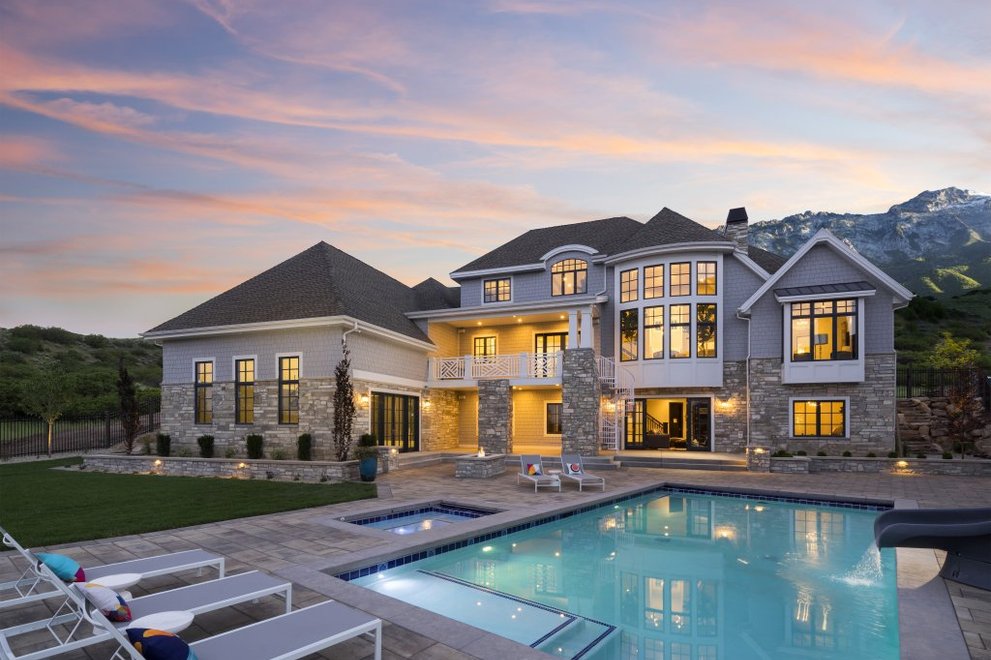
Dubai ranks among the world’s most recognised destinations for premium residential living. Buyers can choose from private waterfront villas, contemporary penthouses, branded residences, and spacious mansions in gated communities. The market attracts residents, international purchasers, and investors drawn by the city’s infrastructure, international connectivity, lifestyle options, education and healthcare facilities, and professionally managed communities.
A successful purchase, however, depends on careful evaluation rather than marketing images. Location, property type, developer track record, construction quality, community facilities, privacy, future development plans, service charges, and long-term marketability all matter. This guide outlines what buyers should know when exploring Dubai’s luxury residential market.
Understanding Dubai’s Luxury Property Market
Dubai’s luxury segment includes villas, apartments, penthouses, branded residences, duplexes, and waterfront homes. These properties appear in both established districts and newer master-planned communities. Buyers range from those seeking a primary family home to those looking for a holiday residence, rental investment, or long-term asset.
International buyers can acquire freehold ownership in designated areas under Dubai Law No. 7 of 2006 and Regulation No. 3 of 2006 (and subsequent expansions). Outside these zones, non-GCC nationals are generally limited to leasehold or usufruct rights of up to 99 years. Registration and title issuance are handled by the Dubai Land Department (DLD). Freehold status of any specific plot or unit should be verified directly via the Dubai REST app or DLD systems before commitment.
The Dubai 2040 Urban Master Plan continues to shape residential development by prioritising quality of life, expanded green and recreational spaces, sustainable mobility, and accessible services. This influences the character of many newer communities.
What Defines a Luxury Home in Dubai?
Size alone does not define luxury. Desirable properties typically combine strong architecture, good location, privacy, quality finishes, technology, amenities, and competent management. Common features include open-plan layouts, floor-to-ceiling windows, landscaped outdoor areas, smart-home systems, private pools or large terraces, designer kitchens, premium materials, en-suite bedrooms, staff accommodation, and secure parking.
Location remains critical. Homes with direct beach access, protected skyline or marina views, golf-course surroundings, or proximity to business and lifestyle hubs usually command premium positioning. Other frequent characteristics of higher-end stock include low-density surroundings, private or semi-private entrances, concierge and security services, leisure and wellness facilities, carefully planned landscaping, branded or designer interiors, advanced automation, generous indoor-outdoor living areas, and convenient access to schools, retail, dining, and healthcare.
A well-chosen luxury property should deliver a functional lifestyle rather than merely an impressive interior.
Main Types of Luxury Homes
Luxury villas
appeal to buyers seeking privacy, gardens, private pools, and multiple bedrooms. They appear in waterfront, golf, suburban, and urban settings, both within gated master-planned neighbourhoods and lower-density exclusive communities. Key comparison points include plot size, built-up area, room configuration, renovation needs, service charges, road access, community maturity, and neighbouring development plans.
Luxury apartments
suit those preferring central locations, professional building management, and integrated facilities. Typical amenities include pools, fitness centres, residents’ lounges, concierge, security, children’s areas, and parking. Some developments add private cinemas, wellness centres, or hotel-linked services. Formats range from single-level units to duplexes, sky villas, lofts, and full-floor residences.
Penthouses
occupy upper floors of premium towers and often feature panoramic views, private lifts, large terraces, rooftop facilities, or private pools. Buyers should examine privacy, lift access, outdoor usability, ceiling heights, floor-plan efficiency, building management standards, and long-term view protection.
Branded residences
link ownership to the design and service standards of recognised hospitality, automotive, fashion, or lifestyle brands. They frequently offer hotel-style services, concierge support, and consistent presentation, which can appeal to international buyers valuing convenience and recognition.
Waterfront homes
include beachfront villas, marina-facing apartments, and canal-side residences. Views, limited supply, and lifestyle atmosphere drive demand, yet buyers must review maintenance obligations, service charges, access arrangements, construction quality, and future development of nearby plots.
Leading Areas for Luxury Homes
Palm Jumeirah
remains one of Dubai’s most internationally recognised addresses, offering beachfront villas, premium apartments, penthouses, and branded residences in a resort-style setting. Properties vary widely in design, age, position, condition, and view quality, so detailed comparison is essential.
Emirates Hills
is known for spacious villas, landscaped surroundings, privacy, and low density. Individually designed homes on larger plots suit buyers prioritising seclusion in an established community. Structural quality, renovation history, layout, landscaping, and maintenance requirements require careful assessment.
Dubai Hills Estate
combines modern villas and apartments with parks, schools, healthcare, retail, and leisure amenities in a master-planned environment. It often appeals to families seeking a balance of privacy, convenience, infrastructure, and accessibility, including proximity to golf course surroundings.
Downtown Dubai
provides high-end urban living near major business, shopping, hospitality, dining, and entertainment destinations. The stock consists mainly of luxury apartments, penthouses, duplexes, and branded residences. Building age, management standards, views, floor levels, accessibility, layouts, and shared amenities should be compared carefully.
Mohammed Bin Rashid City
offers contemporary villa communities, premium apartments, landscaped neighbourhoods, and waterfront-inspired settings. Its relatively central position and range of property types attract both families and investors.
Dubai Marina and Bluewaters Island
suit buyers seeking waterfront apartment living, marina views, walkable surroundings, and coastal access. Bluewaters provides a more limited collection of contemporary residences in an island setting. Individual buildings warrant scrutiny for view protection, management quality, accessibility, and long-term maintenance.
Dubai Islands
is an emerging coastal destination with residential, hospitality, leisure, and beachfront components. Newer waterfront opportunities exist, but buyers should evaluate project timelines, developer credentials, infrastructure progress, master-plan positioning, and intended use of surrounding land.
Benefits and Practical Realities
Advantages of purchasing in Dubai include a wide selection of freehold properties in designated areas, an organised DLD registration system, modern residential infrastructure, professionally managed communities in many developments, and strong international resident appeal. Both ready and off-plan options are available. Qualifying ownership can support certain residence pathways, subject to current government conditions.
These benefits are not automatic. Service charges in luxury communities can be substantial. Views and privacy can change with nearby construction. Rental and resale performance depends on location, condition, supply, demand, and timing. Returns are never guaranteed.
Ready Homes versus Off-Plan
Ready properties allow physical inspection of the unit, views, community, and building operations. They suit buyers needing immediate occupancy or rental income.
Off-plan purchases occur during development or construction and may offer newer designs and emerging communities. Thorough review of the developer’s history, project registration with the relevant authorities, construction timeline, payment schedule, cancellation clauses, and handover provisions is essential.
The better choice depends on the buyer’s timeline, intended use, and liquidity.
Key Factors Before Buying
Define the primary purpose first—family home, second residence, holiday property, rental investment, or long-term asset. This shapes location, layout, community type, and condition priorities.
Assess developer and building reputation for construction standards, delivery reliability, after-sales service, and management quality. For completed properties, review maintenance history.
Evaluate practical connectivity: travel times to workplaces, schools, airports, healthcare, shopping, and major roads matter as much as prestige.
Examine layout and usable space—room proportions, natural light, storage, privacy, outdoor usability, parking, staff areas, and separation of formal and family zones. Large size does not equal good design.
Understand service charges and ongoing maintenance obligations fully before purchase.
Investigate future development of surrounding plots, as construction can affect views, traffic, accessibility, privacy, and marketability.
Even for personal use, consider resale and rental appeal. Efficient layouts, recognised locations, solid construction, attractive views, and well-managed facilities tend to attract a wider pool of future buyers or tenants.
The Legal Buying Process
Procedures differ for ready, off-plan, mortgaged, or developer-direct purchases. Core steps include verifying the seller’s ownership, reviewing the title deed or Oqood registration, confirming outstanding liabilities, understanding contractual terms, and completing transfer through authorised DLD channels or trustee offices.
International buyers can own in designated freehold areas. Independent legal and financial advice is advisable for high-value transactions, company structures, inheritance planning, or international fund transfers.
Finding Suitable Properties
Accurate availability, documentation, community comparisons, and viewing support reduce risk. Decisions should never rest solely on photographs or promotional material. Verify freehold status, service-charge statements, and project details independently. Professional guidance can help shortlist options and navigate the process, but ultimate due diligence remains the buyer’s responsibility.
Conclusion
Dubai’s luxury residential market offers substantial variety for buyers seeking a premium residence, holiday home, or long-term investment. Options range from waterfront villas and branded residences to modern penthouses and family homes in gated communities.
A successful purchase starts with clear requirements and rigorous due diligence. Compare locations, developers, property condition, community facilities, ownership costs, future development, and resale potential. Verify freehold status, review all documentation, and obtain independent advice where needed. With careful evaluation, buyers can identify homes that align with both lifestyle preferences and long-term objectives.
