
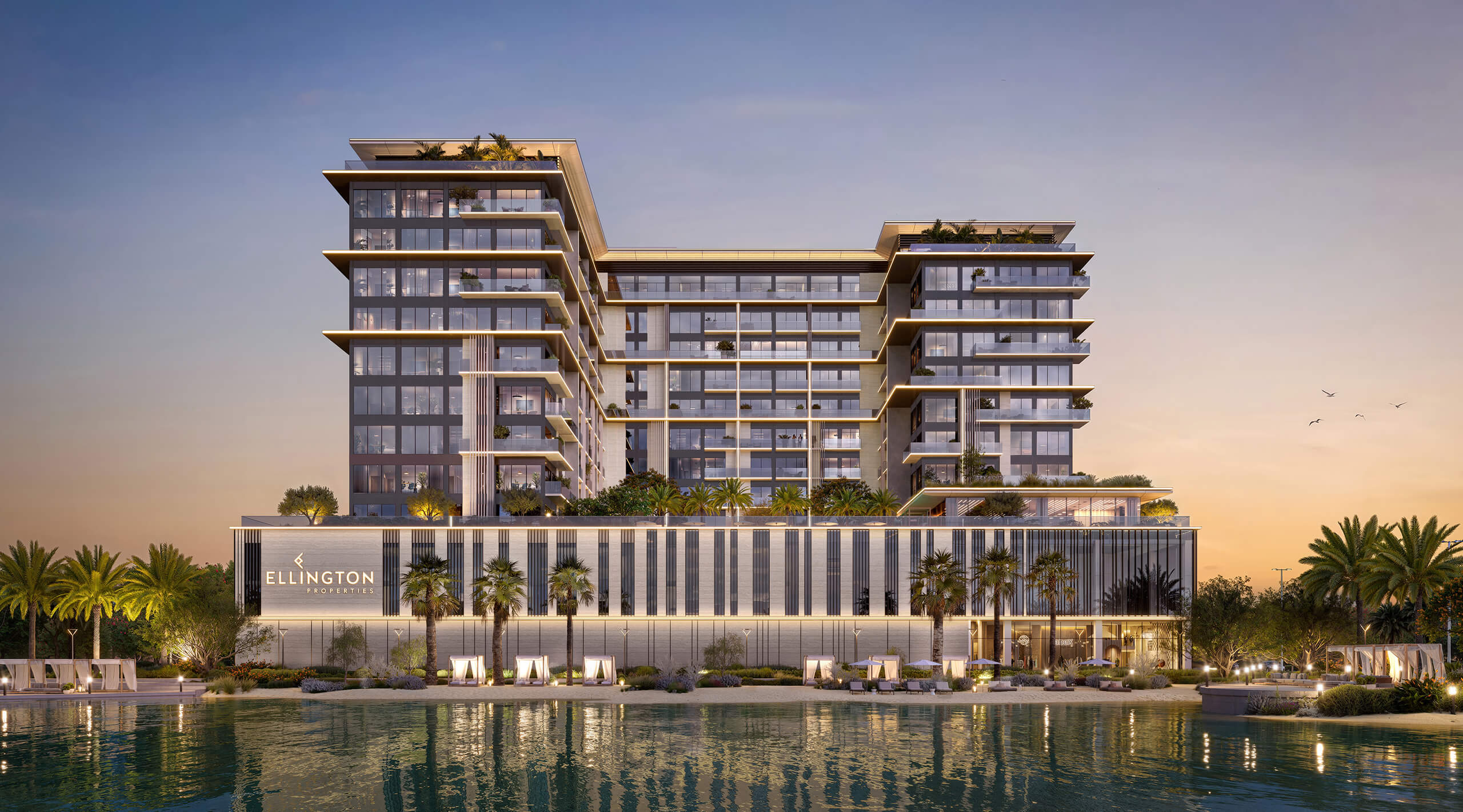
Dubai continues to rank among the world’s most active real estate markets. New residential towers, waterfront communities, branded residences, villa neighbourhoods and mixed-use districts regularly enter the market. For end users seeking a modern home and investors looking for long-term participation in the city’s growth, new launch (off-plan) properties offer access to contemporary design, amenities and locations aligned with Dubai’s future development plans.
A new launch property is typically introduced at the early sales stage of a project, often before construction is complete or sometimes before it begins. Buyers can frequently select from a wider range of floor plans, views, floors and unit positions. However, an attractive brochure or launch-day excitement is never enough. Success depends on careful evaluation of the developer, location, master plan, contract terms, construction timeline and realistic future demand.
Dubai’s growth is guided by the Dubai 2040 Urban Master Plan, which prioritises sustainable communities, improved accessibility, multiple urban centres and higher quality of life. These priorities support ongoing residential development in both established and emerging areas.
What Are New Launch Properties in Dubai?
New launch properties include apartments, villas, townhouses, penthouses, duplexes and branded residences released at the start of a project’s sales cycle. Most are sold off-plan, meaning the buyer purchases while the property is still under development or before construction starts.
Early access can provide more unit choice. New projects also tend to reflect current lifestyle expectations: smart-home features, landscaped public spaces, swimming pools, fitness centres, children’s facilities, wellness areas and flexible working spaces. Larger master-planned communities may incorporate schools, healthcare facilities, retail and parks.
A new launch is not automatically a good purchase. Buyers should base decisions on verified fundamentals, personal suitability and official project information rather than promotional claims.
Advantages and Realistic Considerations
The main practical advantage of buying at launch is greater choice. Preferred layouts, orientations and views are often still available. This matters particularly in waterfront, park-facing or golf-facing developments where position influences both lifestyle and longer-term desirability.
New developments are designed for contemporary living and frequently include energy-efficient systems, modern security and communal facilities suited to families or professionals. Buyers can choose locations ranging from central business districts to quieter suburban or resort-style communities.
At the same time, important limitations exist. There is no rental income during the construction period. Market conditions can change between purchase and handover. Completion dates can shift, even with reputable developers. Service charges, finishing quality and the final delivered product may differ from marketing materials. These factors make thorough due diligence essential.
Dubai Land Department provides official channels, including the Dubai REST app and website services, that allow buyers to verify project registration, status and related details. Always use recognised verification methods before signing documents or transferring funds.
Types of New Launch Properties
Apartments
Available across business districts, waterfront areas, family neighbourhoods and locations near transport links. Options range from studios and one-bedroom units to family apartments, duplexes and penthouses. Focus on usable layout, natural light, storage, balcony size, parking allocation and room dimensions rather than total advertised area alone. Building facilities should match the intended lifestyle—wellness, family use, business convenience or recreation.
Villas and Townhouses
Popular with families seeking larger living spaces, outdoor areas and community amenities such as parks, playgrounds, schools and local retail. Key points include plot position, garden orientation, bedroom layout, road exposure and distance from community entrances. Consider whether surrounding phases will still be under construction after the expected handover date. Evaluate the property both as a private home and as part of a wider neighbourhood.
Branded Residences
Developed in association with recognised hospitality, design or lifestyle brands. They may offer distinctive interiors, concierge services and managed facilities. A strong brand name can add recognition, but location, layout, management terms, service quality and long-term demand remain more important than the brand itself.
Waterfront Residences
These offer access to beaches, marinas, canals, lagoons or creeks and can provide attractive views and outdoor recreation. Verify whether views are protected, what may be built on neighbouring plots, and whether waterfront areas are private, shared or public. Accessibility, traffic patterns and long-term maintenance also matter.
Locations Frequently Considered for New Launches
Established communities often provide mature infrastructure and proven demand. Emerging areas can offer exposure to future growth but may involve more uncertainty during the development phase.
Notable locations include Dubai Creek Harbour (waterfront living and large-scale community planning), Dubai Hills Estate (green surroundings and family amenities with good connectivity), Rashid Yachts and Marina (marina-focused living near the historic coastline, developed by Emaar in partnership with P&O Marinas), and Dubai South (linked to aviation, logistics, Expo City and planned infrastructure).
Other areas with ongoing or planned new developments include Business Bay, Downtown Dubai, Meydan, Jumeirah Village Circle, Dubai Islands and parts of Dubailand. The right choice depends on lifestyle needs, preferred property type, holding period and investment objectives.
How to Evaluate a New Property Launch
Developer track record
Review completed projects, construction quality, delivery history and after-sales service. Confirm the project is properly registered with the Dubai Land Department and that payments will go through approved escrow channels. A well-known developer provides useful context, but each individual project still requires independent assessment.
Location and master plan
Assess practical accessibility, existing and planned community facilities, schools, workplaces, retail and healthcare. Examine neighbouring plots carefully—an open view shown in marketing materials may change once surrounding development proceeds. Understanding the wider master plan helps avoid surprises.
Floor plans and specifications
Do not rely solely on total area figures. Review room sizes, storage, kitchen configuration, balcony usability and the separation between living and private spaces. End users should match the layout to daily needs (home working, family privacy, storage). Investors should prefer layouts likely to appeal to a broad tenant or resale audience.
Completion schedule and contract
The expected handover date should fit personal or investment plans. Sale and Purchase Agreements contain important clauses on completion, possible extensions, specification changes, cancellation rights and dispute procedures. Independent legal advice is strongly recommended, especially for overseas buyers or higher-value purchases.
Future supply and demand
Even popular areas can face competition if many similar units complete around the same time. Compare the project with nearby planned developments and consider who is likely to live in or buy the property later. Practical layouts, good connectivity and distinctive community features generally support demand better than generic units in high-supply locations.
Essential Checks Before Reservation
Confirm the exact project name, developer, unit number, floor plan, view, internal area, balcony, parking allocation and estimated completion date. Ensure key promises appear in official documentation rather than remaining verbal.
Read the full payment schedule and Sale and Purchase Agreement. Understand registration requirements, transfer rules, administrative procedures and consequences of missed payments. International buyers should prepare valid identification, proof of address and any required compliance documents.
Payments for registered off-plan projects should go into the project’s official escrow account. Never transfer funds outside approved channels.
Guidance for End Users and Investors
End users
should prioritise daily comfort and long-term suitability: commuting times, school access, healthcare, traffic, noise levels, visitor parking and community maturity. Some communities are built in phases, so construction activity may continue after residents move in. Natural light, ventilation, storage, privacy and usable outdoor space often matter more in daily life than decorative finishes.
Investors
should start with a clear objective—rental income, capital appreciation, resale potential or portfolio diversification. Match the property type and location to the likely future resident or tenant profile. A city apartment near employment centres may suit professionals; a townhouse near schools may attract families; waterfront units may appeal to lifestyle tenants or international buyers. Avoid relying solely on promotional forecasts. Review comparable transactions, potential rental demand, future supply and ownership costs. A resilient investment should remain competitive even if market conditions soften.
Conclusion
New launch properties in Dubai provide access to modern apartments, villas, townhouses, branded residences and waterfront homes across a range of communities. They can suit buyers seeking contemporary living and investors wanting exposure to the emirate’s longer-term development.
A successful purchase rests on disciplined research: developer reliability, project registration, location quality, master-plan context, usable floor plans, contractual terms, realistic timelines and balanced assessment of future demand. Regulation through the Dubai Land Department and escrow arrangements offers meaningful protections, yet they do not eliminate construction.
Approach each opportunity with clear objectives, independent verification and professional advice where needed. When fundamentals align with personal or investment goals, a carefully selected new launch property can form a sound part of a Dubai real estate strategy.
