
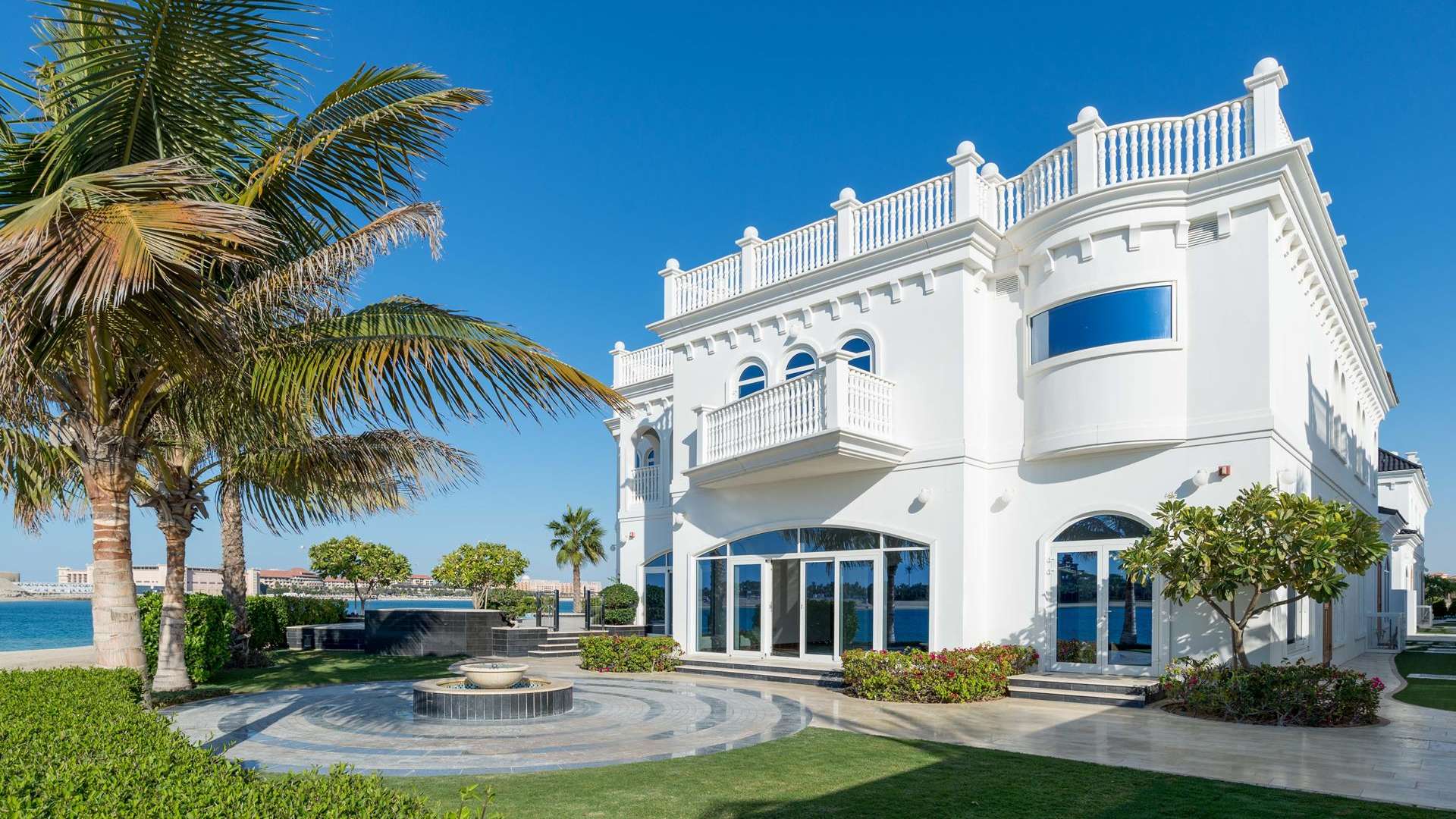
Dubai is celebrated for its opulent lifestyle, iconic architecture, and thriving real estate sector. Luxury villas, particularly new or off-plan developments, represent a significant draw for investors and homebuyers seeking premium living spaces. These properties offer more than just residences—they provide access to a sophisticated, high-end environment in one of the world's most dynamic cities. This updated guide addresses the realities of investing in luxury villas in Dubai as of early 2026, correcting common misconceptions and providing a balanced view based on current market data. We'll cover investment rationale, accurate top locations, standout features, living benefits, potential risks, and the buying process to help you make informed decisions.
Why Invest in Luxury Villas in Dubai?
Dubai's real estate market remains resilient, supported by its role as a global hub for business, tourism, and finance. In 2025, the residential sector saw nearly 200,000 transactions totaling AED 538.1 billion ($146.5 billion), with an 18.9% increase in volume and 26.9% in value year-over-year. However, while luxury villas have historically offered solid returns through capital appreciation and rental income, expectations for 2026 are more tempered than in previous boom years.
Balanced Investment Potential:
The market's strength stems from factors like tax advantages, foreign ownership rights in freehold areas, and long-term residency visas, which continue to attract international buyers. That said, capital appreciation is moderating. Prime residential prices are forecast to rise 3-5% in 2026, reflecting a maturing market with sustainable growth rather than the explosive gains of 2023-2025 (e.g., villa values up 206% since the pandemic). Villas are outperforming apartments, with potential gains of up to 17.7% in select areas, compared to 7.4% for apartments. However, overall forecasts suggest mid-single-digit growth (5-8%) for the residential sector, influenced by increased supply and geopolitical factors.
Rental yields for luxury villas average around 4.6-5% gross, lower than apartments (6.8-7.1%), due to higher purchase prices and maintenance costs. In prime spots, yields can reach 5-9% for short-term rentals, but long-term lets often hover at 4-6%, still competitive globally compared to 2-4% in cities like London or New York. Dubai's tax environment is appealing—no capital gains tax on property sales for individuals and no income tax on rentals—but indirect costs exist, such as a 5% municipality fee on rental value (acting as a minor property tax) and community service charges (AED 20-30 per square foot annually in luxury developments).
Investors should note risks: Market volatility from global events, potential oversupply in non-prime areas, and a shift toward stability over rapid gains. Off-plan villas, while offering customization and lower entry prices, carry handover delays (often 1-3 years) and developer risks, though reputable firms like Emaar and DAMAC mitigate this.
Top Locations for Luxury Villas in Dubai
Selecting the right area is crucial, as villa supply is limited in truly premium, low-density communities. Contrary to some portrayals, urban hubs like Dubai Marina and Downtown Dubai are better suited for apartments and high-rises, with limited standalone luxury villas. Instead, focus on established villa-centric enclaves where demand for space, privacy, and amenities drives value. Here are key areas based on 2025 transaction data and 2026 forecasts:
Palm Jumeirah:
This palm-shaped island epitomizes waterfront luxury, with beachfront villas offering private beaches, marina views, and Arabian Gulf panoramas. In 2025, it recorded 273 ultra-luxury transactions ($5.4M+), with average prices at AED 43.9 million ($11.9M). Yields here average 4-5%, with strong short-term rental potential due to tourism. Appreciation is expected at 5-10% in 2026, supported by scarcity. It's ideal for high-net-worth individuals seeking prestige, though high service fees apply.
Dubai Hills Estate:
A master-planned, family-oriented community with golf course views, parks, and schools. Villas here emphasize green living and accessibility to business districts like Downtown (15-20 minutes away). Average yields are around 4.8%, with price growth forecast at +5% or more in 2026 for 4-5 bedroom units. It's popular for end-users, with limited supply boosting long-term value—perfect for families or investors prioritizing lifestyle over ultra-high yields.
Emirates Hills:
Dubai's most exclusive gated enclave, featuring custom estates with views of the Montgomery Golf Course. It led in high-value sales, including a AED 425 million ($115.7M) transaction in 2025. Yields are lower (3.5-4.5%) due to premium pricing, but appreciation could exceed 6-10% in 2026 amid global demand for privacy. Proximity to top schools and amenities makes it a wealth-preservation asset.
Arabian Ranches:
A mature, family-focused suburb with themed villas, equestrian facilities, and community centers. Yields average 3.9-5%, with 15-18% price growth projected for 2026 due to upgrades and tight supply. It's less flashy than Palm Jumeirah but offers value for money and strong rental demand from expat families.
DAMAC Hills:
Known for golf-front villas and lush landscapes, this area appeals to those seeking active lifestyles. Forecasts show 15-20% gains in 2026, with yields around 4.5-5.5%. Improved infrastructure enhances accessibility, making it a rising star for mid-luxury investors.
Emerging spots like Palm Jebel Ali and Al Barari also show promise, with up to 20% growth potential, but they carry higher off-plan risks.
Key Features of Luxury Villas in Dubai
New luxury villas blend modern design with functionality, often developed by top firms like Emaar or Nakheel. Expect:
Contemporary Interiors:
Open-plan layouts, high ceilings (up to 4-5 meters), and expansive windows maximize natural light. Premium materials include Italian marble, German appliances, and smart systems for lighting, security, and climate control. Kitchens are chef-grade, bathrooms spa-inspired, with sizes starting at 4,000-10,000 sq ft for 4-6 bedrooms.
Outdoor Integration:
Private pools, landscaped gardens, and terraces enable seamless indoor-outdoor living, ideal for Dubai's mild winters. Many include BBQ areas, outdoor cinemas, or infinity pools with views.
Amenities and Sustainability:
Gated security, 24/7 concierge, gyms, spas, and clubhouses are standard. Increasingly, features like solar panels, EV charging, and water-efficient systems align with Dubai's green agenda. Communities offer golf, beaches, or trails, enhancing resale value.
These elements justify premiums but add to costs—service charges can reach AED 100,000+ annually.
Benefits of Living in a Luxury Villa in Dubai
Beyond investment, these villas deliver an elevated lifestyle:
Prime Accessibility:
Residents enjoy proximity to landmarks (e.g., Burj Khalifa 20 minutes from Dubai Hills), airports, and hubs like DIFC. This balances seclusion with convenience.
Superior Comfort:
Privacy, space, and tech (e.g., voice-activated homes) cater to modern needs. Communities foster social ties through events and facilities.
Financial and Lifestyle Returns:
While yields are moderate, appreciation and tax perks build wealth. Dubai's safety, healthcare, and entertainment (e.g., Michelin-star dining) add intangible value.
However, consider drawbacks: High utility bills in summer, traffic in peak hours, and cultural adjustments for newcomers.
The Buying Process for Luxury Villas in Dubai
Dubai's process is transparent for foreigners in freehold zones:
Legal Framework:
Purchase via Dubai Land Department; no restrictions on nationality. Title deeds are issued quickly, with escrow for off-plan to protect buyers.
Financing:
Banks offer mortgages up to 75% for residents (50% for non-residents) at 4-6% rates. Special packages exist for expats.
Documentation and Steps:
Provide passport, proof of income/residence, and undergo AML checks. Engage agents (fees 2%) and lawyers for due diligence. Total costs: 4% transfer fee, 2% agency, plus VAT.
Timeline: 4-8 weeks for ready properties. For off-plan, monitor progress to avoid delays.
Conclusion
Investing in luxury villas in Dubai offers a blend of lifestyle enhancement and financial opportunity in a market that's maturing sustainably. With moderated growth in 2026—focusing on quality locations like Palm Jumeirah and Emirates Hills—buyers can expect steady appreciation (3-10%+) and yields (4-6%), offset by low taxes but tempered by fees and risks. This isn't a get-rich-quick arena; it's for those valuing long-term stability amid Dubai's evolution. As transactions hit records in 2025, 2026 emphasizes selective buying—consult experts and review reports for personalized insights. Whether for residency or portfolio diversification, these villas remain a compelling choice in a global context.
