Dubai’s real estate market continues to demonstrate resilience in 2026, with off-plan properties accounting for approximately 70% of residential transactions in Q1 alone. Total property sales reached Dh176.7 billion to Dh252 billion in the first quarter, driven by strong investor interest despite a shift toward more sustainable, selective growth after the rapid surges of previous years. Off-plan developments—properties sold before completion—remain a popular entry point thanks to competitive pricing, flexible payment structures, and the city’s ongoing infrastructure expansion. However, the market has matured. With a significant supply pipeline (actual deliveries estimated at 42,000–55,000 units in 2026 after accounting for typical delays), investors must prioritize quality over hype to achieve solid returns rather than assuming automatic high gains.
This updated guide explores the realities of new off-plan properties in Dubai in 2026. It covers genuine benefits, key areas with strong potential, practical considerations, and balanced risks, helping both local and international buyers make informed decisions.
Why Consider Off-Plan Properties in Dubai in 2026?
Off-plan investments in Dubai continue to attract global capital, but success now depends on strategic selection amid moderating price growth and increased supply. Here are the core advantages, grounded in current market conditions:
Potential for Capital Appreciation
Early buyers can still secure properties below future completed values, particularly in infrastructure-backed master communities. While the double-digit surges of 2022–2024 have cooled, well-located projects from tier-1 developers often deliver steady gains during construction and upon handover. Appreciation is now more selective—stronger in prime waterfront or family-oriented zones and more moderate elsewhere due to the 2026 delivery pipeline.
Flexible Payment Plans
Developers offer highly accessible structures, such as 10/90, 20/80, 40/60, 50/50, or even post-handover plans (where 30–40% of the balance can be paid over 1–3 years after keys). A typical Emaar plan might require just 20% at booking, with the rest spread across construction milestones. This reduces upfront capital needs and improves cash flow compared to ready properties.
Competitive Rental Yields
Once completed, off-plan units in high-demand areas can generate gross yields of 6–8% on average (apartments often 7%+, villas slightly lower). Dubai’s status as a global business, tourism, and lifestyle hub supports steady tenant demand, though yields vary by location and may face mild compression in oversupplied mid-market segments.
Diverse Options Across Budgets
From affordable family apartments to luxury villas and penthouses, 2026 launches span every price point. This variety suits different strategies—whether seeking rental income, long-term appreciation, or personal use.
Full Foreign Ownership and Tax Advantages
100% freehold ownership is permitted in designated areas, with no capital gains tax, no personal income tax on rental yields, and no annual property tax. This tax-free environment maximizes net returns and remains one of Dubai’s strongest draws for international investors.
Popular Areas for New Off-Plan Properties in 2026
Demand remains concentrated in master-planned communities with proven infrastructure and lifestyle appeal. Here are six standout areas, with realistic 2026 insights:
Dubai Creek Harbour
Positioned as a future “second Downtown,” this Emaar-led waterfront district blends luxury residences, green spaces, and major attractions like the reimagined Creek Tower area and Dubai Square Mall. Off-plan projects here benefit from strong connectivity and long-term master-plan momentum. Median prices hover around AED 2,600 per sqft, with solid appreciation potential as the community matures. Ideal for investors seeking waterfront lifestyle and capital growth, though timelines for iconic elements remain phased.
Dubai Hills Estate
This integrated, family-focused community offers parks, golf courses, schools, healthcare, and retail—all within easy reach of Downtown. Off-plan villas, townhouses, and apartments continue to launch, appealing to end-users and long-term investors. Rental yields typically range 5–6%, with lower oversupply risk due to its established appeal. It remains a stable choice for balanced lifestyle and value retention.
Mohammed Bin Rashid City (MBR City)
A massive mixed-use “city within a city,” MBR City features luxurious living, retail, and cultural hubs. New off-plan developments include modern apartments, villas, and townhouses from reputable developers. Its scale supports steady demand, but investors should evaluate specific phases for infrastructure readiness.
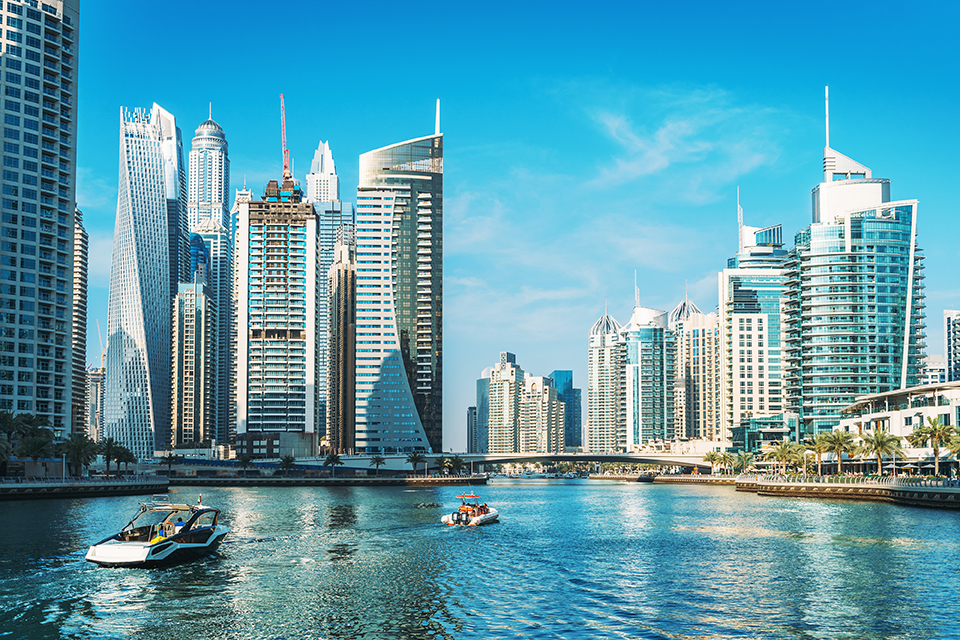
Dubai Marina
The established waterfront icon continues to attract new off-plan projects thanks to its unmatched location, dining, retail, and yachting lifestyle. High rental demand from professionals and tourists supports competitive yields. While more mature than emerging districts, selective launches still offer strong returns for those prioritizing immediate post-handover liquidity.
Jumeirah Village Circle (JVC)
Known for affordable, family-friendly housing and central access, JVC sees consistent off-plan activity. It delivers some of the higher rental yields (often 7–9% for apartments) and value-for-money options. However, as one of the areas with heavier supply in the mid-market segment, buyers should scrutinize developer quality and avoid overexposure to high-density apartment clusters.
Palm Jumeirah
The iconic palm-shaped luxury enclave maintains premium appeal with limited high-end off-plan inventory. Villas and apartments here target exclusive buyers seeking world-class amenities and views. Appreciation and yields are more resilient in this scarce luxury segment, though entry prices are higher and suited to those prioritizing prestige over volume returns.
What to Look for When Investing in Off-Plan Properties
Success in 2026 requires disciplined due diligence rather than relying on launch hype:
Developer Reputation:
Stick to established names like Emaar, DAMAC, Nakheel, Aldar, or Sobha. Review their track record for on-time delivery (improved to around 64% in recent years) and quality.
Location and Infrastructure:
Prioritize areas with confirmed transport links, amenities, and demand drivers. Avoid purely speculative zones with heavy upcoming supply.
Payment Plans and Budget Fit:
Compare structures carefully—ensure they align with your cash flow. Factor in service charges, DLD fees (4%), and potential financing needs.
Market Conditions:
Monitor broader trends. While overall demand remains healthy, the 2026 supply wave calls for caution in mid-market segments.
Project Timelines and RERA Compliance:
Check Dubai Land Department (DLD) and Real Estate Regulatory Agency (RERA) registration. Escrow accounts protect buyer funds. Review realistic handover dates and penalty clauses for delays.
Quality and Sustainability:
New builds increasingly feature smart-home tech, energy efficiency, and green design—added value for future resale and rental appeal.
Additional Benefits and Practical Tips
Beyond the basics, off-plan buyers in 2026 enjoy state-of-the-art amenities, potential Golden Visa eligibility (for properties AED 2 million+), and the ability to customize early-stage units in some cases. The process is straightforward: reserve with a small booking fee, sign the SPA, register with DLD, and make installment payments as construction progresses.
For financing, some banks offer off-plan mortgages, though developer plans often suffice for full payment. Post-handover, you can rent via platforms like Property Finder or sell on the secondary market.
Conclusion
Dubai’s off-plan sector remains dynamic and investor-friendly, offering genuine opportunities for capital growth, income, and lifestyle in one of the world’s most vibrant cities. With strong fundamentals—population growth, economic diversification, tax advantages, and flexible plans—the market supports long-term value. That said, 2026 rewards disciplined, research-driven decisions rather than broad enthusiasm.
Focus on reputable developers, high-potential locations like Dubai Creek Harbour or Dubai Hills Estate, and thorough due diligence. Consult professionals, review the latest DLD data, and align choices with your goals and risk tolerance. When approached thoughtfully, off-plan properties in Dubai can deliver attractive, sustainable returns in 2026 and beyond.
Whether you seek luxury waterfront living, family-oriented communities, or high-yield rentals, Dubai’s evolving skyline continues to present compelling options. The key is buying smart in a maturing market that still rewards quality and patience.
