
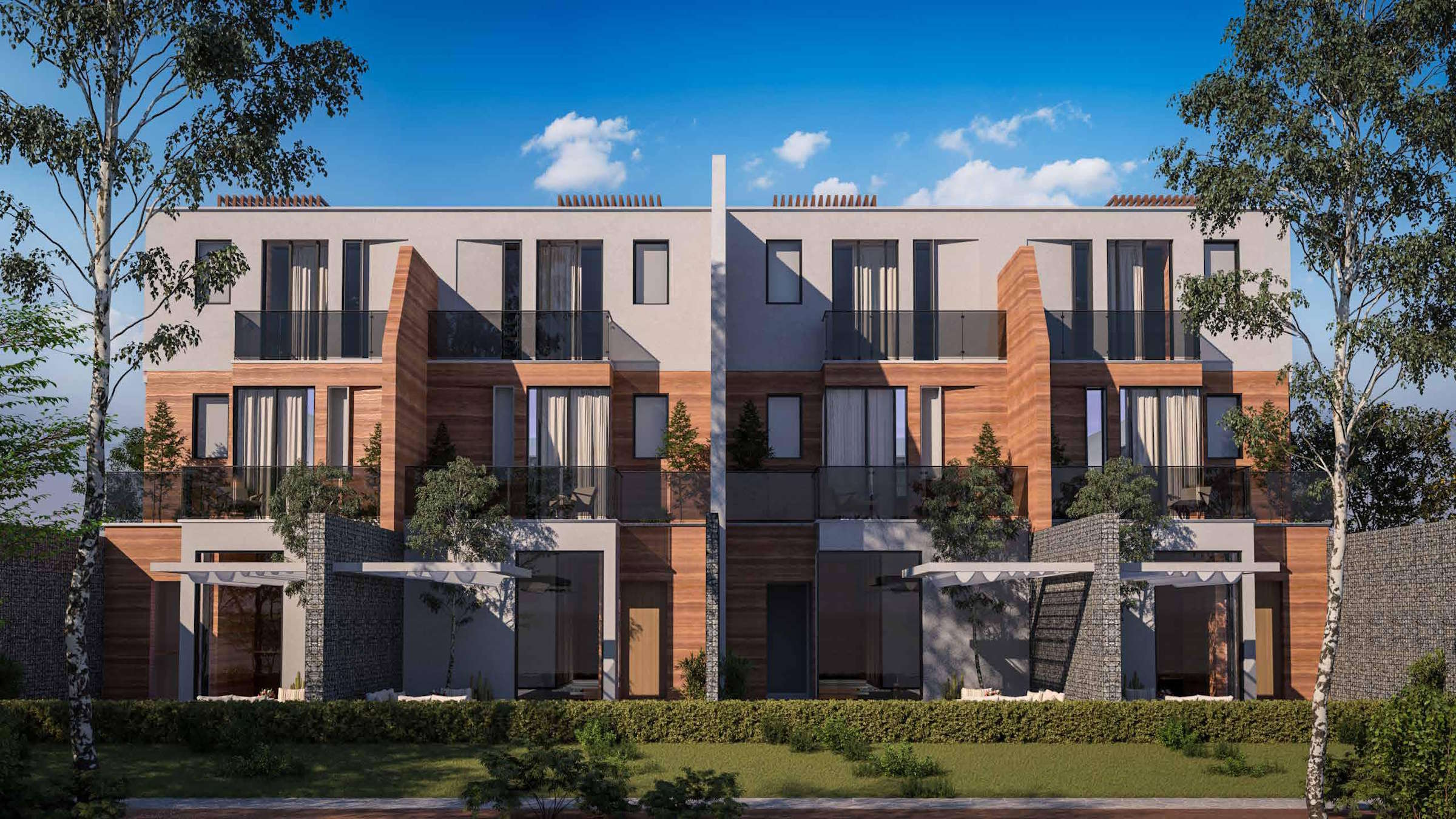
Dubai’s real estate market remains one of the world’s most dynamic, attracting investors with its strategic location, economic growth, and investor-friendly regulations. Among the many options available, off-plan properties — units sold before construction is complete — continue to represent a significant portion of transactions, often accounting for 65–70% of sales. These properties allow buyers to purchase based on architectural plans and renderings, with handover typically occurring within 2–5 years.
While off-plan investments can offer compelling opportunities, the market in 2026 is more selective than in previous boom years. Increased supply, moderating rental growth in some segments, and the potential for slower capital appreciation require careful due diligence. This guide explores the realities of investing in off-plan properties in Dubai in 2026, including benefits, risks, top locations, and practical steps to make informed decisions.
What Are Off-Plan Properties?
Off-plan properties are residential or commercial units sold by developers while still under construction or in the planning stage. Buyers commit based on detailed floor plans, 3D models, and marketing materials rather than viewing a finished product. These can include apartments in high-rise towers, villas, or townhouses within master-planned communities.
The advantage lies in securing a unit at a launch price that is usually 15–30% lower than comparable ready properties, combined with extended payment plans. However, buyers must wait for completion before taking possession, renting out, or reselling the unit. All legitimate off-plan projects in Dubai are regulated by the Real Estate Regulatory Agency (RERA) and the Dubai Land Department (DLD), which provide escrow protection for buyer payments.
Why Consider Off-Plan Properties in Dubai in 2026?
1. Attractive Pricing and Flexible Payment Plans
Developers typically price off-plan units lower to attract early capital. Payment plans remain a major draw, often structured as 50/50, 60/40, or even more spread-out schedules over the construction period (sometimes extending post-handover). This reduces the initial cash outlay and helps investors manage liquidity.
In 2026, these plans are still competitive, but buyers should compare them carefully against expected market conditions at handover. While entry prices look appealing, the total cost of ownership includes the 4% DLD transfer fee, agent commissions (usually 2%), and ongoing service charges.
2. Capital Appreciation Potential – With Realistic Expectations
Early purchase in well-located projects has historically delivered solid value uplift by the time of completion. In prime or infrastructure-backed areas, properties can appreciate as the development matures and surrounding amenities are delivered.
However, 2026 forecasts point to more moderate growth overall. After several years of strong price increases, analysts anticipate 3–8% annual appreciation in stable communities, with possible 10–15% corrections in oversupplied micro-markets due to the large pipeline of new units (over 120,000 expected in 2025–2027, predominantly apartments). Appreciation is no longer guaranteed across the board — it depends heavily on the developer’s track record, location fundamentals, and broader economic factors such as tourism recovery and population growth.
Villas and townhouses in family-oriented communities tend to show more resilient price growth than apartments, where supply pressure is greater.
3. Modern Designs and High-Quality Amenities
Many off-plan developments feature contemporary architecture, sustainable elements, and extensive lifestyle amenities — swimming pools, gyms, spas, retail outlets, parks, and smart-home features. Master-planned communities often include schools, clinics, and transport links, making them attractive to both end-users and tenants.
These features can enhance long-term desirability, but buyers should verify that promised amenities are contractually guaranteed and not subject to change. Service charges in luxury buildings can be significant (AED 15–30+ per sq ft annually), impacting net returns.
4. Tax Efficiency and Ownership Rights
Dubai offers a highly tax-efficient environment for property investors. There is no capital gains tax on the sale of residential property for individuals and no personal income tax on rental income. Non-UAE nationals can own freehold properties outright in designated areas.
That said, the common claim of “zero property taxes” requires nuance. Owners face a Dubai Municipality Housing Fee — equivalent to 5% of the property’s annual rental value (or RERA-estimated rental value if vacant or owner-occupied). This fee is collected monthly via DEWA bills and typically ranges from AED 2,000–8,000+ per year for a standard apartment, depending on size and location. If the unit is rented, the tenant usually covers it. Additional costs include building service charges and maintenance.
Overall, the low-tax regime still provides a clear advantage compared to most international markets.
5. Rental Yields – Strong but Moderating
Dubai continues to deliver attractive gross rental yields by global standards. As of early 2026, average yields hover around 6.5–7.5% for apartments (higher in mid-tier areas) and 5–6% for villas/townhouses. Some budget and family-oriented communities can still achieve 7–9% gross yields.
Demand from expatriates, professionals, and families remains robust, supported by population growth and economic diversification. However, the surge in new supply is putting downward pressure on rents in certain segments, particularly apartments in non-prime locations. Rental growth has moderated, and vacancy rates are rising in oversupplied pockets. Net yields (after service charges, maintenance, and the housing fee) are typically 1–2% lower than gross figures.
Off-plan properties generate no rental income during construction, so investors must factor in the carrying cost of installments without offsetting revenue until handover.
Top Areas for Off-Plan Property Investment in Dubai in 2026
Several locations stand out for a mix of growth potential, rental demand, and infrastructure development:
Dubai Creek Harbour:
This ambitious waterfront district continues to gain momentum with iconic projects, parks, and skyline views. It offers strong long-term appeal for both capital appreciation and rental demand, though some phases face heavy supply.
Dubai Marina:
A vibrant, established waterfront community with excellent connectivity and lifestyle amenities. Off-plan opportunities here target luxury buyers and short-to-medium-term renters, but yields may be more moderate than in emerging areas.
Downtown Dubai:
Home to the Burj Khalifa and major attractions, this central location maintains premium status. Demand from high-net-worth individuals and tourists supports values, though prices per square foot are higher.
Jumeirah Village Circle (JVC):
A popular mid-market residential area offering more affordable entry points and solid rental yields (often 7–8%+). It appeals to families and young professionals, with good road connectivity and community facilities. However, heavy off-plan activity means selectivity is essential to avoid oversupply risks.
Mohammed Bin Rashid City (MBR City):
A large-scale mixed-use development with residential, commercial, and recreational elements. Its central positioning and phased growth make it attractive for long-term investors, particularly in villa and townhouse segments where supply is more constrained.
Other emerging options worth monitoring include Dubai Hills Estate and select phases in Business Bay or Dubai South, depending on infrastructure timelines.
How to Buy Off-Plan Properties in Dubai – Step-by-Step
Research and Choose a Reputable Developer
Focus on developers with proven delivery records, strong financials, and positive customer feedback. Leading names include Emaar Properties, DAMAC Properties, Nakheel, Sobha, and Ellington. Review past project completion rates on official DLD platforms.
Evaluate the Project and Payment Plan
Study the master plan, location advantages, infrastructure timeline, and full cost breakdown (including all fees). Compare payment schedules and understand any post-handover installments.
Conduct Due Diligence
Verify RERA registration, escrow account details, and the sales purchase agreement (SPA). Engage an independent lawyer to review clauses on delays, penalties, and specifications. Visit the sales center or existing projects by the same developer.
Sign the Agreement and Make Initial Payment
Once satisfied, sign the SPA and pay the reservation deposit (usually 10%). Payments then follow the agreed schedule into the escrow account.
Monitor Progress and Prepare for Handover
Developers provide regular updates. Track milestones and raise concerns promptly. Upon completion, conduct a joint inspection, settle any final payments or fees, and register the title deed.
Post-Handover Strategy
Decide whether to occupy, rent (via short- or long-term), or resell. Factor in realistic net yields and ongoing costs when calculating returns.
Conclusion
Off-plan properties in Dubai remain a strong investment option in 2026, offering flexible payment plans, modern developments, and competitive rental yields. While returns may be more moderate than previous years, carefully selecting reputable developers and prime locations can still lead to solid capital appreciation and income. Success requires thorough research, aligning investments with financial goals, and managing risks like construction delays. With the right approach, Dubai’s off-plan market can provide sustainable returns and valuable opportunities for investors.
