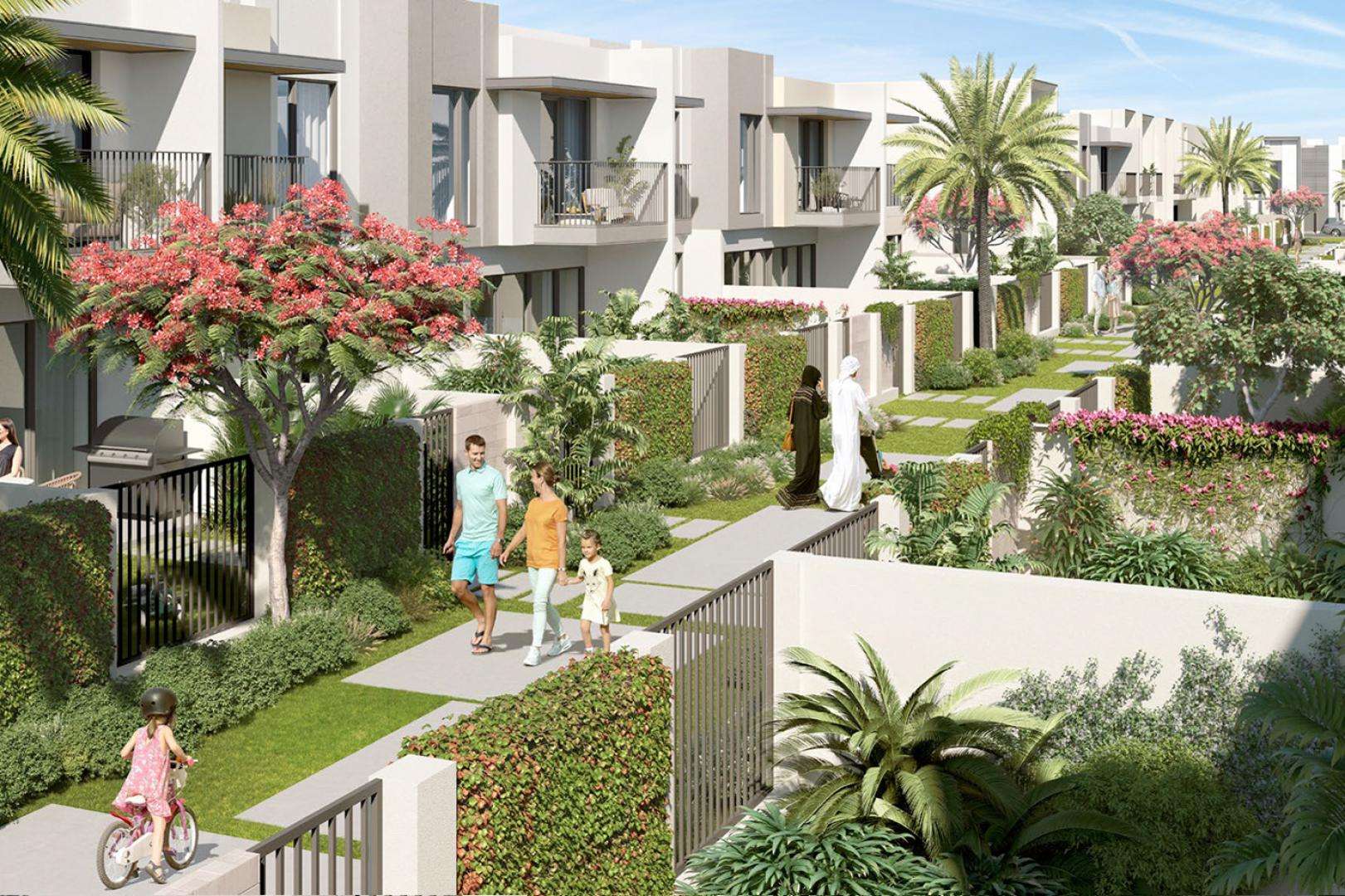
Buying an off plan townhouse Dubai isn’t just about picking a pretty show unit. It’s a decision about timing, legal protection, community potential, and how future Dubai growth (new roads, new districts, new lifestyle hubs) can work in your favor. When done right, off-plan townhouses can give you modern layouts, newer community infrastructure, and a clearer path to long-term value—without rushing into a ready unit that doesn’t match your needs.
This guide is written for serious buyers (end-users and investors) who want clarity: what an off-plan townhouse is, how the Dubai off-plan system works, what to check before signing, and how to reduce risk while maximizing upside.
Why Buyers Choose Off Plan Townhouses in Dubai
Here’s what typically makes off-plan townhouses attractive:
- Newer design logic: more efficient layouts, better natural light planning, larger open living areas, smarter storage.
- Community-first planning: parks, walking tracks, retail nodes, and schools are often planned as lifestyle anchors.
- Future value positioning: buying before full community maturity can mean broader upside as the area develops.
- Choice advantage: early buyers often get better selection—corner units, park-facing rows, or preferred orientations.
- Flexible end-use: townhouses often suit both family living and stable long-term rentals.
The Dubai Off-Plan Safety System
Dubai’s off-plan market has structures designed to protect buyers—but only if you verify them.
1) Confirm the project is properly registered and uses escrow mechanisms
DLD eServices show that off-plan project processes are tied to registration and escrow requirements. For example, DLD’s “Register Project” service describes registering a project and opening an escrow account for off-plan sales, and it also references using the Oqood portal within procedures.
Also, DLD provides escrow-related services such as escrow disbursement activation for off-plan projects.
Practical takeaway: Do not rely on marketing slides alone—validate the project’s official standing and escrow details.
2) Use Dubai REST for transparency signals
Dubai Land Department’s Dubai REST information indicates off-plan beneficiaries can access real-time project details like completion percentage, actual pictures, escrow account number, and due payments.
Practical takeaway: Use official tools wherever possible to confirm progress and project details.
3) Understand Oqood’s role in off-plan procedures
DLD references Oqood as a portal used in steps for certain services and repeatedly mentions it as a “self-registration system OQOOD.”
DLD’s off-plan procedures also include steps to submit requests via Oqood.
Practical takeaway: You don’t need to memorize the system—just recognize that off-plan has its own registration track, and legitimate projects follow it.
Step-by-Step: How to Buy an Off Plan Townhouse in Dubai
Step 1: Define your “non-negotiables”
Before shortlisting projects, lock your must-haves:
- single-row privacy vs internal community convenience
- corner/end unit vs mid unit
- proximity to parks/school zones
- commute needs (work hubs, highways, airports)
- handover window (so lifestyle timelines match reality)
Step 2: Shortlist communities first, then projects
Most buyers do it backwards (project first). Better logic:
- community fundamentals (access, amenities, long-term demand)
- supply pipeline (how much more is coming)
- community maturity plan (what’s ready now vs later phases)
Step 3: Compare townhouse layouts like an engineer
Not all “3BR” townhouses live the same. Compare:
- net usable space (not just “big number” marketing)
- kitchen position and ventilation
- staircase placement (wasted vs functional space)
- storage and utility areas
- noise exposure (main roads vs internal rows)
Step 4: Read the SPA like it’s a business contract
An SPA typically outlines payment milestones and timelines for off-plan purchases and sets out obligations for both parties.
Focus especially on:
- handover date language and how delays are handled
- unit specifications and permitted substitutions
- snagging/defect reporting process
- what counts as “completion”
- resale rules during construction (if relevant)
Step 5: Plan for handover and post-handover realities
Handover isn’t the finish line; it’s the start of ownership operations:
- snagging inspection
- documentation and activation steps
- move-in readiness (utilities, community services, access cards)
- ongoing service charges (conceptually—budget for them)
Some markets commonly use a defect liability period after handover; exact terms depend on contract and applicable rules, so treat it as a must-check clause in your SPA.
How to Choose the Right Off Plan Townhouse
Pick the right unit type
- Corner units / end units: more light, more privacy, often better plot shape.
- Single-row: fewer back-to-back neighbors, often quieter.
- Park-facing: lifestyle premium, stronger family demand.
Evaluate community demand drivers
- school access and nursery density
- parks and walkability
- retail convenience (daily needs)
- commute reliability
- future infrastructure signals (new roads, new business clusters)
Check developer execution signals
You’re looking for patterns:
- track record of delivering phases
- quality consistency between show unit and delivered unit
- clarity in specifications and upgrades
- transparency in timelines and project updates
Conclusion
An off plan townhouse Dubai purchase is easiest when you treat it like a structured decision, not an emotional one. Focus on community fundamentals, unit position, documentation strength, and visibility into real progress. Dubai’s off-plan ecosystem has tools and systems that encourage transparency—your job is to use them, verify the details, and buy with confidence.
