Dubai's real estate sector remains a global magnet for investors, with off-plan projects continuing to play a central role in 2026. While the market has matured from the explosive growth seen in 2024-2025, off-plan sales still dominate, accounting for around 60-70% of transactions. This segment offers opportunities for early entry into developing communities, but it's entering a phase of stabilization rather than unchecked surges. Forecasts indicate modest price appreciation of 5-8% overall, with prime areas seeing 1-3% growth and some mid-tier segments potentially facing corrections up to 15% due to a significant supply influx—over 120,000 units expected to hand over this year. Factors like economic diversification, infrastructure expansions under the Dubai 2040 Urban Master Plan, and sustained tourism support this outlook, but investors should approach with caution amid rising interest rates and oversupply risks.
Off-plan properties allow buyers to secure assets before completion, often at competitive prices, with the potential for value growth as surrounding areas develop. However, this comes with uncertainties, such as construction timelines and market shifts. In this updated guide, we'll explore what off-plan projects entail, their features, investment rationale for 2026, top developments to consider, key evaluation factors, and a realistic conclusion. Drawing from current market data as of January 2026, this aims to provide a factual, balanced perspective for both novice and experienced investors.
What Are Off-Plan Projects in Dubai?
Off-plan projects refer to real estate developments sold during the planning or construction phase, before the property is fully built and ready for occupancy. In Dubai, buyers typically commit based on developer blueprints, renderings, and promises of amenities, securing units at prices lower than completed properties—often 10-20% below market rates for ready homes. This model has been popularized by major developers like Emaar and DAMAC, who leverage Dubai's rapid urbanization to launch ambitious communities.
The process involves signing a Sales and Purchase Agreement (SPA) with the developer, paying an initial deposit (usually 10-20%), and following a structured payment plan tied to construction milestones. Upon handover, buyers receive the keys, and the property can be rented or resold. Dubai's regulatory framework, overseen by the Dubai Land Department (DLD) and Real Estate Regulatory Agency (RERA), mandates escrow accounts to protect buyer funds, reducing risks compared to earlier market cycles. Still, not all projects are equal; thorough due diligence is essential to avoid pitfalls like delays.
Key Features of Off-Plan Projects
Off-plan developments in Dubai stand out for their innovative designs and investor-friendly structures. Here are the core attributes:
Early Access and Pricing Advantages:
Buyers enter at ground-level prices, benefiting from "early bird" discounts. For instance, in high-demand areas, this can lead to 12-18% capital appreciation by handover for well-located projects. However, this assumes market stability; in 2026, with moderating growth, returns may be more conservative.
Flexible Payment Plans:
Developers often spread payments over 2-4 years, with post-handover options extending further. Common structures include 80/20 plans (80% during construction, 20% on handover), easing cash flow for international buyers. This flexibility is a draw, but missed payments can lead to penalties or contract termination.
Potential for Capital Appreciation:
As infrastructure like metro lines, highways, and retail hubs completes, property values can rise. In emerging areas, this has historically yielded strong ROI, though 2026 forecasts suggest 5-10% growth amid supply pressures.
Diverse Options and Amenities:
From apartments to villas, options cater to various budgets and lifestyles. Premium features—pools, gyms, parks—are standard, with branded residences (e.g., Address or Armani) adding prestige. Yet, promised amenities aren't always delivered as envisioned, highlighting the need for developer track records.
These features make off-plan appealing, but they hinge on market conditions and project execution.
Why Invest in Off-Plan Projects in Dubai for 2026?
Dubai's economy is projected to grow at around 5% GDP in 2026, fueled by non-oil sectors like tourism, technology, and logistics. The legacy of Expo 2020 continues through District 2020 repurposing, while initiatives like the Dubai 2040 Plan aim for sustainable urban expansion, boosting residential demand. Population growth to over 3.6 million supports this, with off-plan projects in transit-oriented or waterfront areas poised for steady interest.
Potential Benefits:
ROI Prospects:
Off-plan often outperforms ready properties in appreciating markets, with rental yields around 6% and capital gains of 5-8% expected. Early investors in master-planned communities can see higher returns as amenities mature.
Strategic Locations:
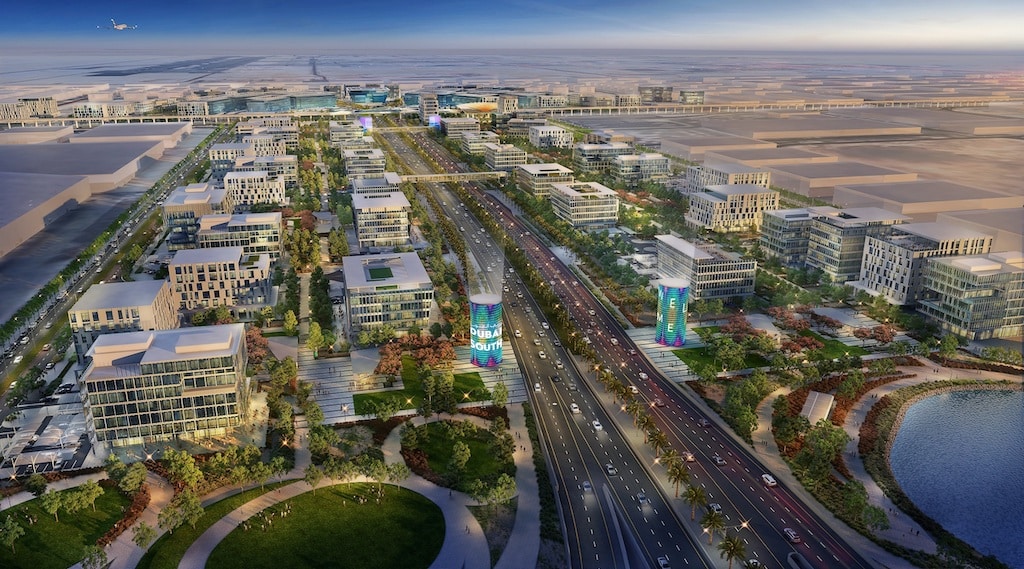
Proximity to hubs like Dubai International Airport or business districts enhances appeal. Areas like Dubai South and waterfront zones are expanding, driven by infrastructure.
Financing Ease:
Tailored plans minimize upfront costs, and golden visas for investments over AED 2 million attract foreigners.
Diversification:
Beyond oil, Dubai's focus on tech and tourism creates resilient demand.
Top Off-Plan Projects in Dubai for 2026
Based on current launches and handovers, here are standout off-plan projects for 2026. These emphasize quality, location, and growth potential, with many targeting Q3-Q4 completions.
Dubai Creek Harbour by Emaar:
This waterfront master community along Dubai Creek features luxury apartments with creek and skyline views. Key phases hand over in 2026, offering amenities like parks and retail. The revamped Dubai Creek Tower project adds buzz, with tenders issuing in Q1 2026 for a redesigned "modern minaret" focusing on aesthetics rather than surpassing Burj Khalifa's height. Proximity to the airport boosts rental yields (around 6-7%). Investment appeal: Strong for appreciation in a maturing area, but monitor tower progress for full impact.
Emaar Beachfront:
On a private island between Palm Jumeirah and JBR, this offers beachfront apartments and penthouses with sea views. Projects like Address The Bay and Beachgate by Address hand over in Q4 2026, featuring pools, gyms, and direct beach access. Starting prices: AED 3M+. Suited for luxury seekers, with high rental potential near Marina and JBR business hubs. Risk: Premium pricing may face softer demand if tourism dips.
The Valley by Emaar:
A family-oriented suburban community along Dubai-Al Ain Road, offering townhouses and villas in green settings. New phases like Elora and Farm Gardens hand over in Q3-Q4 2026, with features including parks, schools, and retail. Affordable entry (AED 1.5M+ for townhouses) targets end-users, with expected 7-10% appreciation as infrastructure grows. Ideal for long-term family investments.
Dubai Hills Estate by Emaar:
A golf-course community with apartments, villas, and townhouses near Downtown. Ongoing launches like Greencrest and Hillside hand over in 2026-2027, boasting parks, malls, schools, and trails. Central location ensures connectivity; yields: 5-6%. Strong for balanced urban-suburban living.
Mina Rashid by Emaar:
A heritage-inspired waterfront project blending modern luxury with port history. Off-plan apartments and villas hand over in 2026, with marina views and cultural amenities. Appeals to investors seeking unique, central locations with potential 10-15% growth.
DAMAC Lagoons:
Mediterranean-themed community with villas and townhouses, handing over in 2026. Features lagoons, beaches, and clubs; affordable and high-yield for rentals.
Factors to Consider When Investing in Off-Plan Projects
- Developer Reputation: Stick to giants like Emaar or DAMAC with proven delivery. Check escrow compliance.
- Location and Connectivity: Prioritize growth areas with infrastructure; avoid oversupplied zones.
- Payment Terms and Financing: Ensure plans align with your budget; factor in fees.
- Market Research and Risks: Analyze yields, trends, and risks like delays or corrections. Use RERA tools; consult experts.
- Legal Protections: SPAs include cancellation rights; understand exit strategies.
Conclusion
Dubai's 2026 off-plan market offers solid opportunities in a maturing landscape, but success demands realism about moderated growth and risks. With informed choices, it remains a viable path for diversified portfolios.
