
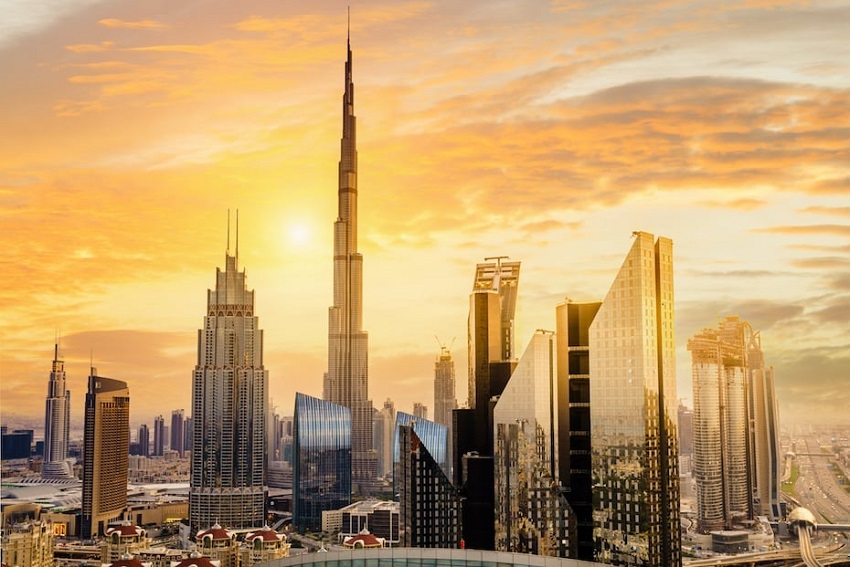
Premium property investment in Dubai involves acquiring high-quality residential or mixed-use assets in desirable locations. These stand out through superior design, reputable developers, exclusive amenities, scarcity, and sustained market desirability.
Typical premium offerings include luxury apartments with landmark views, branded residences backed by international hospitality names, waterfront villas, spacious penthouses, and family homes in gated or golf communities. What elevates them above standard properties is not just price, but a combination of location strength, build quality, lifestyle integration, and long-term appeal.
In 2026, premium buyers increasingly prioritize quality over volume. Decisions are driven by developer track records, community planning, infrastructure developments, and alignment with evolving preferences such as wellness, privacy, sustainability, and smart-home features. Dubai’s regulated environment—overseen by the Dubai Land Department (DLD) and Real Estate Regulatory Agency (RERA)—supports transparency through escrow accounts, mandatory registration, and clear foreign ownership rules in designated freehold areas.
Why Dubai Remains Attractive for Premium Investment in 2026
Dubai’s real estate ecosystem benefits from investor-friendly policies, ambitious urban planning, and its position as a global business and lifestyle hub. Several factors continue to draw premium capital:
World-Class Infrastructure and Connectivity:
Modern airports, extensive road networks, metro expansions, and integrated lifestyle districts enhance accessibility and livability. These elements directly support long-term property performance.
International Appeal and Wealth Inflows:
The city attracts buyers from Europe, Asia, the Middle East, Africa, and beyond. Steady millionaire migration and Dubai’s role as a stable, tax-efficient hub bolster demand for high-end assets.
Master-Planned Communities:
Many premium projects form part of larger developments featuring retail, schools, parks, marinas, golf courses, and wellness facilities. This integrated approach strengthens both end-user demand and resale potential.
However, the market in 2026 is maturing. After strong gains in prior years, prime residential price growth is forecast at a more moderate pace—around 3% for the prime segment according to Knight Frank, with some analysts projecting mid-single digits in select ultra-prime areas. Villas have generally outperformed apartments, while luxury and branded residences benefit from constrained supply in established districts. Overall transaction volumes remain healthy, but buyers are more selective, focusing on proven locations and quality execution.
This balanced environment rewards disciplined investors who prioritize fundamentals over short-term speculation.
What Truly Makes a Property Premium in Dubai
Not every high-priced property qualifies as premium. In today’s market, premium status depends on several interconnected factors:
Prime Location:
Established or strategically emerging areas with strong lifestyle or business appeal—waterfronts, iconic landmarks, financial districts, or low-density communities—command greater interest and resilience.
Superior Design and Architecture:
Thoughtful layouts, high-end finishes, natural light, panoramic views, double-height spaces, and signature elements distinguish premium homes. Smart technology and sustainable features are increasingly expected.
Reputable Developer:
Track record in timely delivery, construction quality, and after-sales service matters significantly. Well-known names often support stronger resale demand and buyer confidence.
Exclusive Amenities:
Private beaches, concierge services, wellness centers, rooftop terraces, fitness facilities, and residents’ clubs enhance daily living and asset desirability.
Community and Lifestyle Integration:
Walkable neighborhoods with curated retail, green spaces, and proximity to entertainment or business hubs perform better over time.
In 2026, scarcity plays a heightened role. While Dubai has a substantial overall supply pipeline (with many new units expected), ultra-luxury and villa segments in prime areas remain relatively constrained due to limited land and longer development timelines. This dynamic supports more stable positioning for genuine premium assets compared to mass-market apartments.
Key Benefits and Realistic Expectations
Investing in premium Dubai property can deliver multiple advantages when approached strategically:
Long-Term Demand Resilience:
High-quality assets in established locations tend to attract consistent interest from end-users and tenants, even as the broader market moderates. Villas and waterfront/branded residences have shown particular strength.
Asset Preservation and Prestige:
Unique design, landmark positioning, and low-density living help maintain appeal and prestige. Many buyers value the lifestyle and legacy benefits alongside financial considerations.
Rental Potential:
Premium properties in central or lifestyle-oriented communities often appeal to executives and global residents, supporting competitive yields (typically higher than many traditional safe-haven cities, though varying by exact location and type).
International Liquidity:
Cross-border interest from high-net-worth individuals can enhance market depth in the luxury segment.
That said, expectations should be grounded. Rental yields and capital appreciation vary widely. Prime segments offer lower yields than mid-market but potentially stronger preservation and selective growth. In 2026, the market is transitioning toward sustainable expansion rather than rapid appreciation, with increased buyer selectivity and some supply pressure in certain sub-segments.
Popular Property Types and Locations for Premium Investment
Dubai offers diverse premium formats suited to different investor profiles:
Waterfront Apartments and Villas:
Highly sought after for views, accessibility, and resort-style living. Palm Jumeirah remains iconic, with strong prestige and limited new beachfront supply.
Branded Residences:
These combine residential ownership with hotel-inspired services and international brand credibility, often commanding recognition and appeal.
Luxury Villas:
Popular among families for privacy, land value, and community amenities in gated or golf settings. Villas have frequently led performance in recent cycles.
Penthouses and Sky Villas:
Symbols of exclusivity with scarce inventory and landmark views.
Golf- or Park-Facing Homes:
These blend tranquility with premium positioning in master-planned estates.
Key locations in 2026 include:
- Downtown Dubai: Iconic, central prestige with urban vibrancy and landmark proximity.
- Palm Jumeirah: Internationally recognized waterfront destination with villas and beachfront apartments.
- Dubai Marina: Vibrant marina lifestyle with strong convenience and view appeal.
- Dubai Hills Estate: Family-friendly with golf views, landscaping, and modern infrastructure—balancing luxury and livability.
- Jumeirah Bay and Island Communities: Ultra-exclusive options offering privacy and limited inventory.
- Business Bay (select canal-facing projects): Central urban luxury with modern design.
Location remains one of the most reliable drivers of long-term value. Established communities with proven demand and limited future supply often provide greater stability.
Important Factors to Evaluate Before Investing
Success in premium investment requires discipline. Consider these essentials:
Developer Credibility:
Examine delivery history, quality standards, financial strength, and reputation in the premium segment.
Supply and Scarcity:
Assess whether the specific property type, view, or location offers genuine limited availability. Ultra-prime supply is more constrained than mid-market apartments.
Community Maturity:
Well-established areas with high occupancy, active retail, and completed infrastructure tend to be more stable than emerging ones.
Maintenance and Service Standards:
Strong building management and common-area upkeep directly impact long-term value and resident satisfaction.
End-User Appeal:
Efficient layouts, privacy, natural light, outdoor space, and lifestyle features support both personal use and broader market demand.
Additional practical considerations in 2026 include ownership structure implications (personal vs. corporate, noting UAE corporate tax rules for qualifying businesses) and alignment with personal or portfolio goals. Geopolitical developments can influence short-term sentiment, though Dubai’s fundamentals remain anchored by diversification and policy support.
A Long-Term Strategic Approach
Premium real estate in Dubai is best viewed as part of a diversified, patient wealth strategy rather than a quick-flip opportunity. In a city shaped by ongoing infrastructure investment and lifestyle-led development, well-chosen assets can offer brand durability and alignment with shifting preferences around wellness, sustainability, and community.
The 2026 market rewards selectivity: focus on proven micro-locations, reputable execution, and properties that serve genuine end-user demand. This approach helps mitigate risks associated with higher overall supply while capitalizing on Dubai’s enduring strengths.
How Noor Ishraq Supports Informed Buyers
Navigating Dubai’s premium segment benefits from experienced guidance. A knowledgeable real estate partner can provide insights into location dynamics, project quality, developer strengths, market cycles, and suitability for individual goals—going beyond surface-level marketing.
Noor Ishraq Real Estate offers a client-focused platform for exploring residential opportunities across Dubai. With access to a range of options in waterfront, luxury villa, branded, and community-oriented developments, the team helps buyers align investments with lifestyle preferences and long-term objectives. As with any advisor, independent verification of credentials (including RERA registration) and multiple consultations are recommended.
In a maturing yet opportunity-rich market, professional support can clarify what separates truly premium assets from merely expensive ones.
Conclusion
Dubai has established itself as a leading global hub for premium real estate, supported by visionary planning, international connectivity, and a growing portfolio of high-quality developments. While 2026 brings a more measured growth environment—with prime segments expected to see modest appreciation and greater emphasis on selectivity—the fundamentals for well-positioned assets remain compelling.
The true value of premium property investment in Dubai lies in its ability to deliver prestige, purposeful living, wealth preservation potential, and sustained relevance. By focusing on location quality, developer excellence, scarcity, and thorough due diligence, investors can approach the market with greater confidence.
For those exploring opportunities, combining personal research with trusted professional advice provides the clearest path forward in Dubai’s evolving premium landscape.
