
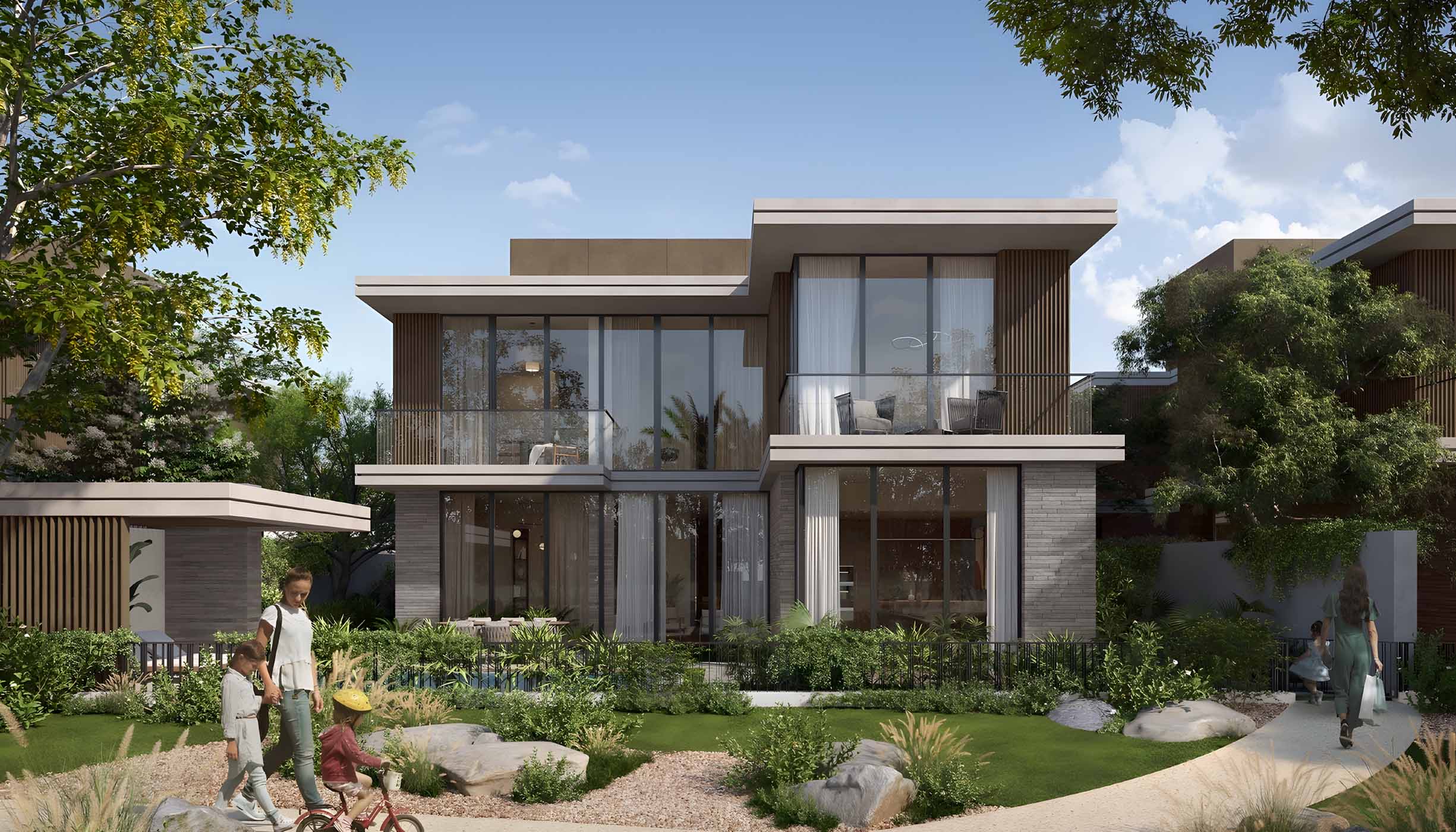
Dubai ranks among the world’s most sought-after destinations for luxury residential property. Premium villas stand out for the combination of space, privacy, architectural quality, and access to well-planned communities that many apartments simply cannot match. These homes appeal to families seeking room to grow, professionals who value independent living, and international buyers looking for a long-term foothold in a global city.
This guide examines what defines a premium villa in Dubai, the communities that consistently attract demand, the practical factors buyers should weigh, and the realistic outlook for both lifestyle use and investment. The aim is clarity rather than hype.
Why Premium Villas Attract Global Interest
Several structural advantages support demand. Dubai offers political stability, modern infrastructure, international schools, healthcare facilities, and strong connectivity via two major airports. Master-planned communities integrate homes with parks, retail, sports facilities, and leisure options, reducing the need for constant travel across the city.
Premium villas typically deliver more usable space than apartments of comparable price. Multiple bedrooms, private gardens, outdoor entertainment areas, covered parking, and sometimes staff accommodation create a daily living experience that prioritises comfort and independence. Many properties include swimming pools, terraces, and flexible rooms that can serve as home offices, gyms, or guest suites.
International buyers are drawn by architectural variety — contemporary open-plan designs, Mediterranean-inspired homes, golf-course frontage, and waterfront plots — as well as the ability to own freehold property in designated areas. For investors, well-located family villas in established or maturing communities have historically attracted steady tenant interest, though returns vary significantly by location, condition, and market cycle.
Space, Privacy, and Flexible Living
The core appeal of a villa is independence. Unlike apartment living, residents control their outdoor space and enjoy greater separation from neighbours. Modern layouts commonly feature spacious living and dining areas that open onto gardens or terraces, en-suite bedrooms, walk-in wardrobes, and practical storage.
Larger homes may include private lifts, cinema rooms, wellness spaces, or separate service entrances. Outdoor living is central: private gardens provide room for children, pets, and gatherings, while shaded terraces and pools allow residents to make use of Dubai’s climate for much of the year. Gated communities and controlled access further enhance the sense of security that many families prioritise.
Buyers should evaluate whether the internal layout supports everyday routines — kitchen functionality, storage volume, parking capacity, and the practicality of outdoor spaces under intense summer sun — rather than focusing solely on visual impact.
Architecture, Interiors, and Practical Quality
Newer premium villas often emphasise clean lines, large windows, double-height ceilings, and strong indoor-outdoor connections. Floor-to-ceiling glass maximises natural light and views of gardens, golf courses, or water. Finishes typically include quality flooring, modern lighting, fitted kitchens, and extensive wardrobes.
Smart-home systems that control lighting, climate, and security are increasingly common in recent developments, as are improved insulation and energy-efficient cooling. Sustainable landscaping appears more frequently, though standards still vary by project and developer.
A striking façade does not guarantee long-term comfort. Buyers benefit from inspecting room proportions, storage solutions, kitchen work triangles, bathroom layouts, and the durability of materials. In secondary-market villas, condition, previous upgrades, and maintenance history become critical.
Popular Communities for Premium Villas
Dubai’s villa market is diverse. Different communities serve distinct priorities.
Palm Jumeirah
remains one of the city’s most recognisable addresses. Waterfront villas here can offer private beach access, sea views, and proximity to hotels and restaurants. The lifestyle is resort-oriented, with corresponding pricing and service charges that reflect the location’s prestige.
Dubai Hills Estate
part of Mohammed Bin Rashid City, appeals strongly to families. Built around an 18-hole championship golf course, it features extensive parks, Dubai Hills Mall, international schools, healthcare facilities, and convenient road links. The community combines suburban space with relatively central access.
Emirates Hills
occupies the ultra-luxury end of the spectrum. Custom-designed homes on large plots deliver maximum privacy and exclusivity, often with golf-course frontage. Transactions are less frequent and prices sit at the top of the market.
Jumeirah Golf Estates
centres on two championship courses and offers spacious homes surrounded by greenery. It suits buyers who value a golf lifestyle alongside family amenities.
Arabian Ranches
is an established family community known for parks, walking routes, schools, and a more suburban atmosphere. It has a longer transaction history than many newer master developments, which can aid resale analysis.
District One
and other parts of Mohammed Bin Rashid City provide contemporary villa options with strong connectivity to central Dubai and growing amenity bases.
Emerging waterfront and master-planned projects continue to appear. Buyers should weigh completion status, surrounding infrastructure, and future supply when considering newer locations.
Community Amenities and Daily Living
The neighbourhood often matters as much as the house itself. Strong villa communities typically offer swimming pools, fitness centres, sports courts, cycling tracks, children’s play areas, landscaped parks, supermarkets, cafés, and restaurants. Some include lagoons, private beaches, golf clubs, or wellness facilities.
Families should prioritise proximity to schools, nurseries, and healthcare. Professionals often focus on road access to business districts and airports. Well-managed communities with reliable maintenance and active resident facilities tend to support both quality of life and longer-term demand.
Investment Considerations — Realistic Expectations
Premium villas can form part of a property strategy, but outcomes depend on specifics rather than broad market narratives. Dubai’s population growth, business environment, and infrastructure development create underlying demand for quality family housing. Established communities and well-located waterfront or golf properties have generally shown resilience, yet performance is uneven.
Key variables include exact location and plot position, developer reputation, community maturity, property condition, service charges, and the volume of competing supply. Homes with private pools, larger plots, upgraded interiors, attractive views, and convenient access to schools or employment centres often generate stronger tenant interest. Yields on premium villas are typically lower than those on mid-market apartments; capital appreciation has been significant in recent cycles but is not guaranteed.
Investors should review master plans, service-charge levels, surrounding development pipelines, and the likely buyer or tenant profile for resale. Professional legal and financial advice remains essential.
Ready Homes Versus Off-Plan Purchases
Ready villas allow immediate occupancy or rental, physical inspection of the finished product, and assessment of the live community.
Off-plan villas can offer modern designs, choice of layout and plot, and payment plans that spread cost. Early selection may secure preferred views or positions. Specification changes, and uncertainty about the finished community atmosphere. Buyers should examine developer track records, project registration with the relevant authorities, construction progress, contractual protections, and the master-plan commitments for amenities and infrastructure.
Key Factors to Evaluate Before Buying
Define the primary purpose clearly: primary residence, holiday home, rental investment, or long-term hold. This shapes every subsequent decision.
Location assessment should cover road connectivity, school quality, healthcare access, leisure options, and planned infrastructure. Plot position influences privacy, light, noise, and outdoor usability.
Internal practicality matters: bedroom sizes, kitchen design, storage, parking, staff facilities if required, and accessibility. Review developer history, construction quality, current condition (for secondary stock), community management standards, and all legal documentation.
Service charges, maintenance obligations for private gardens and pools, and potential future costs should be quantified. International buyers need clarity on freehold status in the specific location, documentation requirements, and any residency or visa implications linked to property ownership.
Approaching the Purchase Process
Successful villa purchases usually involve thorough research, multiple viewings, comparison of comparable transactions, and professional support for legal, technical, and financial aspects. Independent advice on title, contracts, and due diligence reduces risk. Market knowledge of current pricing, supply pipelines, and community differences helps buyers avoid overpaying or selecting a property that does not match their needs.
Conclusion
Premium villas in Dubai offer a compelling combination of space, privacy, modern design, and access to thoughtfully planned communities. Whether the priority is family living near schools and parks, a waterfront lifestyle, golf-course surroundings, or long-term ownership in a global city, suitable options exist across a range of locations and price points.
Success depends on matching the property and community to clear personal or investment objectives, scrutinising practical details, understanding full ownership costs, and approaching the market with realistic expectations. Thorough research and professional support at each stage remain the most reliable path to a decision that holds up over time.
