
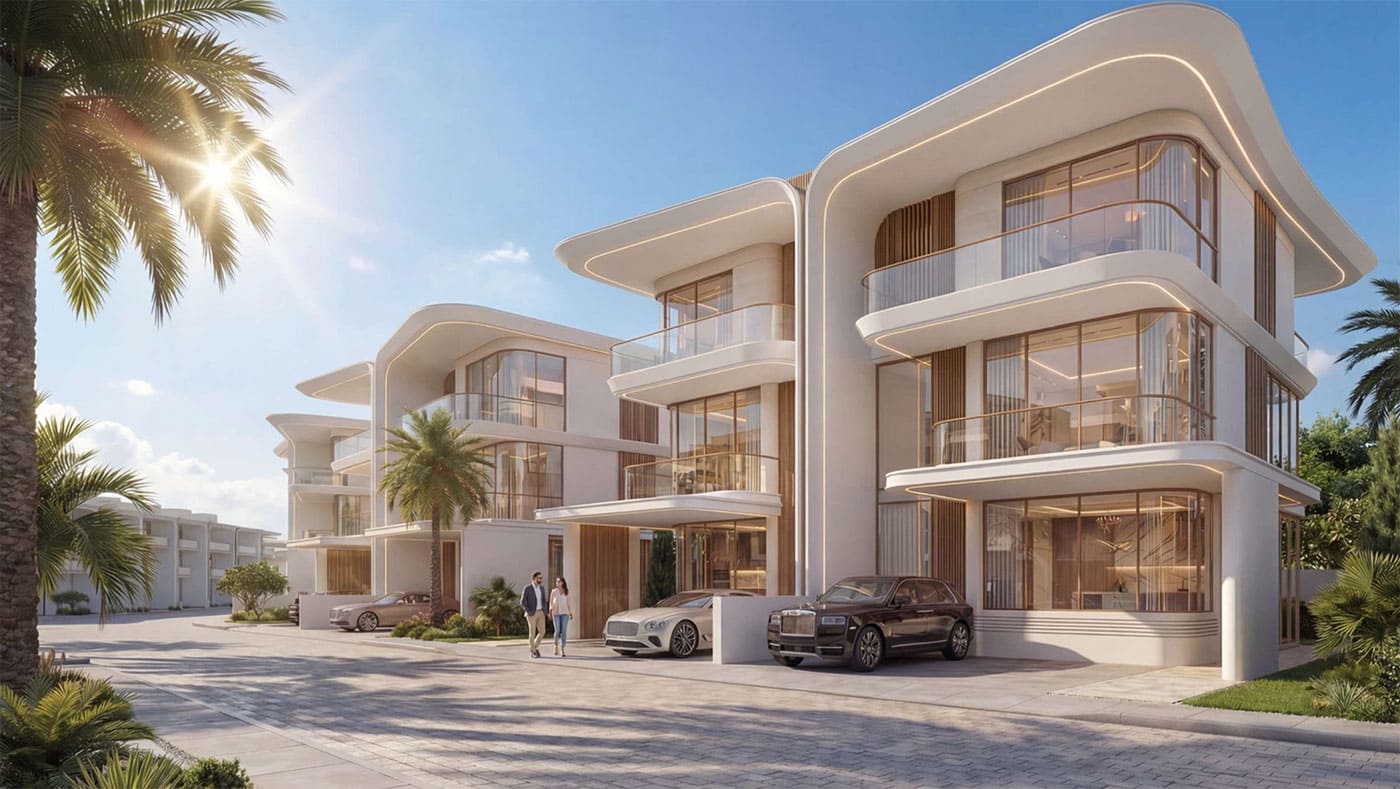
Dubai stands as a global powerhouse for business, tourism, trade, and modern urban living. Its strategic location bridges major markets in Asia, Europe, Africa, and the Middle East. The city boasts diverse neighbourhoods ranging from vibrant waterfront districts and bustling central business hubs to serene family-oriented master communities.
The Government of Dubai continues to position its real estate market as dynamic and inclusive, catering to buyers and renters alike. Central to this vision is the Dubai Economic Agenda D33, which aims to double the emirate’s economy by 2033, making it one of the world’s top three cities for living, working, and investing. Real estate plays a pivotal role in this ambition through infrastructure development, sustainable growth, and increased foreign investment.
While Dubai offers compelling opportunities, success depends on informed decision-making. Not every project delivers equal returns. Investors must carefully evaluate location, developer reputation, community demand, ongoing costs, and future supply pipelines.
Key Advantages of Investing in Dubai Property
Dubai’s real estate market benefits from several structural strengths:
- A diverse, multicultural resident population creating demand across housing segments.
- World-class infrastructure, including modern roads, international airports, and expanding public transport networks like the Metro and tram systems.
- Established and emerging master-planned communities with high-quality amenities.
- A transparent, regulated environment with mandatory project registration and escrow protections.
- Access to reputable developers with proven track records.
- A mix of ready, off-plan, and rental opportunities.
- Extensive freehold areas open to international investors.
These advantages create a resilient market, but prudent investors always conduct thorough research rather than relying on general positives.
Start with a Clear Investment Strategy
The foundation of any successful Dubai property investment is a well-defined strategy. Begin by asking: What is the primary goal?
Rental Income Focus:
Prioritise occupied or easily lettable communities near employment hubs (e.g., DIFC, Dubai Internet City), transport links, schools, and daily conveniences. These areas typically offer stronger occupancy rates and steadier cash flow.
Capital Appreciation Focus:
Consider emerging master developments, waterfront locations, or districts benefiting from new infrastructure projects such as Dubai Creek Harbour, Emaar South, or Rashid Yachts & Marina. These often deliver higher long-term value growth as the city expands.
A robust strategy should address:
- Purpose of the purchase (income, appreciation, personal use, or portfolio diversification).
- Preferred property type (studio, apartment, villa, townhouse, or branded residence).
- Expected holding period (short-term 3–5 years vs. long-term 10+ years).
- Target tenant or end buyer profile.
- Financing options and budget, including transaction fees (typically 4% DLD fee, agent commissions, etc.).
- Property management requirements.
- Risk tolerance level, including exposure to market cycles or construction delays.
Clear objectives prevent scattered comparisons and enable real estate advisors to deliver targeted shortlists aligned with realistic goals.
Ready vs. Off-Plan Property: Which is Right for You?
Both ready and off-plan properties have distinct advantages and risks in Dubai’s market.
Ready Properties
offer immediate benefits. Buyers can physically inspect the unit, assess layout, views, building quality, community facilities, and surrounding infrastructure. These are ideal for investors seeking quick rental income or personal occupancy without construction uncertainty. However, they often command premium prices compared to off-plan launches.
Off-Plan Properties
appeal to those seeking modern designs, attractive payment plans (often 50/50 or 60/40 over years), and potential capital gains during development. Many new projects feature innovative architecture and premium amenities. Yet, buyers must exercise heightened caution.
Key protections in Dubai include mandatory DLD/RERA registration, dedicated escrow accounts (where buyer funds are held and released only upon verified construction progress), and transparent project updates via the Dubai REST platform.
Selecting the Right Property Type
Dubai offers varied property types to suit different lifestyles and investment profiles:
Apartments:
Highly popular among professionals, young couples, and small families. Studios and 1-bedroom units provide convenience and strong rental demand in business districts. Larger 2–4 bedroom apartments cater to families. They generally have lower maintenance and are easier to manage.
Villas and Townhouses:
Preferred for long-term family living or premium rentals. These thrive in communities with schools, parks, healthcare, and retail (e.g., Dubai Hills Estate). They offer more privacy and space but involve higher maintenance and service fees.
Waterfront and Branded Residences:
Target high-net-worth buyers seeking luxury, unique views, and concierge services. Performance depends on location prestige, developer quality, and management standards. Resale liquidity can be strong but selective.
Evaluate each type based on target end-user, maintenance burden, and total ownership costs, including annual service charges which vary significantly between buildings.
How to Choose the Best Areas for Property Investment in Dubai
Location remains the most critical factor influencing both rental yields and capital appreciation. Assess the broader community ecosystem rather than just the unit itself.
Essential Location Criteria:
- Excellent road access and public transport connectivity.
- Proximity to major employment centres.
- Availability of quality schools, hospitals, and clinics.
- Retail, dining, and leisure options.
- Current occupancy rates and community maturity.
- Future master plan, including new infrastructure and competing supply.
Established Communities
(e.g., Dubai Marina, Business Bay, Jumeirah Village Circle) provide proven rental data, completed amenities, and lower risk.
Emerging Communities
(e.g., Dubai Creek Harbour, Emaar South, The Valley) offer growth potential but require deeper analysis of delivery schedules and absorption rates.
In 2026, prime areas with constrained supply tend to perform better amid broader market caution around oversupply in certain districts. Always cross-check with recent transactions and Dubai REST data.
Noor Ishraq Real Estate maintains an extensive portfolio of ready and off-plan opportunities across these communities, enabling side-by-side comparisons based on location, type, and investment metrics.
Understanding Rental Income and Capital Appreciation
Property performance typically combines rental yields and capital growth.
Rental income depends on achievable monthly rents, occupancy rates, and net returns after deductions: service charges, maintenance, furnishing, property management (often 5–10%), vacancy periods, and marketing costs. Promotional gross yields can appear attractive (5–8%+ in some areas), but realistic net yields frequently range lower — investors should model conservatively.
Capital appreciation stems from market demand, economic growth under D33, infrastructure upgrades, and area maturity. Prime locations have historically delivered strong long-term gains, though short-term fluctuations occur due to supply cycles.
Pro Tip:
Identify a clear end-user. Professionals value connectivity; families prioritise schools and space. Properties aligned with genuine demand lease and resell more easily.
Use official tools like Dubai REST for rental indices, service charge transparency, and market data. Combine this with professional valuations and comparable sales analysis.
Legal Checks and Thorough Due Diligence
Due diligence protects your investment. For ready properties, verify:
- Title deed.
- Physical condition via professional inspection.
- Existing tenancies and maintenance history.
- Outstanding service charges or liabilities.
- Building management quality and any leasing/renovation restrictions.
For off-plan, scrutinise:
- DLD project registration and escrow account.
- Developer credentials and financial stability.
- Construction progress reports and expected handover.
- Sale & Purchase Agreement terms (payment schedule, cancellation clauses, penalties).
Additional steps include confirming broker authorisation, reviewing full agreements with a lawyer, understanding mortgage conditions, and clarifying all recurring costs. Independent legal and financial advice is highly recommended for high-value or complex deals.
Property Ownership and Investor Residency Benefits
Owning property in Dubai can unlock residency options. The Dubai Land Department’s Taskeen service enables eligible investors to apply for renewable residency visas (typically 2 years). Recent updates have eased requirements: sole owners face no minimum property value, while joint owners need a minimum share of AED 400,000.
Higher-value investments (AED 2 million+) may qualify for longer Golden Visas. Sponsorship of family members is possible under applicable rules. Always verify latest eligibility directly with authorities, as policies evolve. Treat residency as a valuable perk, not the sole investment driver.
Step-by-Step Guide to Successful Property Investment in Dubai
- Define clear objectives and holding period.
- Set a realistic total budget including all fees and buffers.
- Decide between ready and off-plan based on goals.
- Shortlist communities and property types.
- Compare developers, floor plans, views, and amenities.
- Analyse real rental evidence and resale potential.
- Conduct comprehensive legal, financial, and technical due diligence.
- Negotiate terms and review every contract carefully.
- Arrange professional property management and maintenance.
- Monitor performance regularly and adjust strategy as needed.
Following this process minimises risks and aligns investments with long-term success.
Why Choose Noor Ishraq Real Estate?
Noor Ishraq Real Estate is a trusted partner for investors navigating Dubai’s dynamic market. With expertise in apartments, villas, townhouses, and off-plan projects, the team provides access to opportunities from leading developers across key communities.
Their personalised service includes community comparisons, detailed project analysis, documentation support, negotiation assistance, and post-purchase coordination. Advisors focus on matching properties to individual objectives rather than pushing specific launches.
Whether you seek high-yield rentals, family homes, or growth-oriented investments, Noor Ishraq combines market knowledge with client-centric guidance for informed decisions.
Conclusion
Dubai property investment offers strong potential for rental income, capital appreciation, and lifestyle benefits in one of the world’s most dynamic cities. Success in 2026 and beyond hinges on strategic planning, thorough due diligence, realistic expectations, and alignment with genuine market demand.
By focusing on quality locations, reputable developers, manageable costs, and long-term usability, investors can build resilient portfolios. The D33 agenda and ongoing infrastructure developments support positive fundamentals, but disciplined analysis remains essential amid evolving supply dynamics.
With professional guidance from a reliable partner like Noor Ishraq Real Estate, buyers can approach the market with confidence. Explore opportunities, ask detailed questions, and invest thoughtfully for the best outcomes in Dubai’s world-class real estate landscape.
