
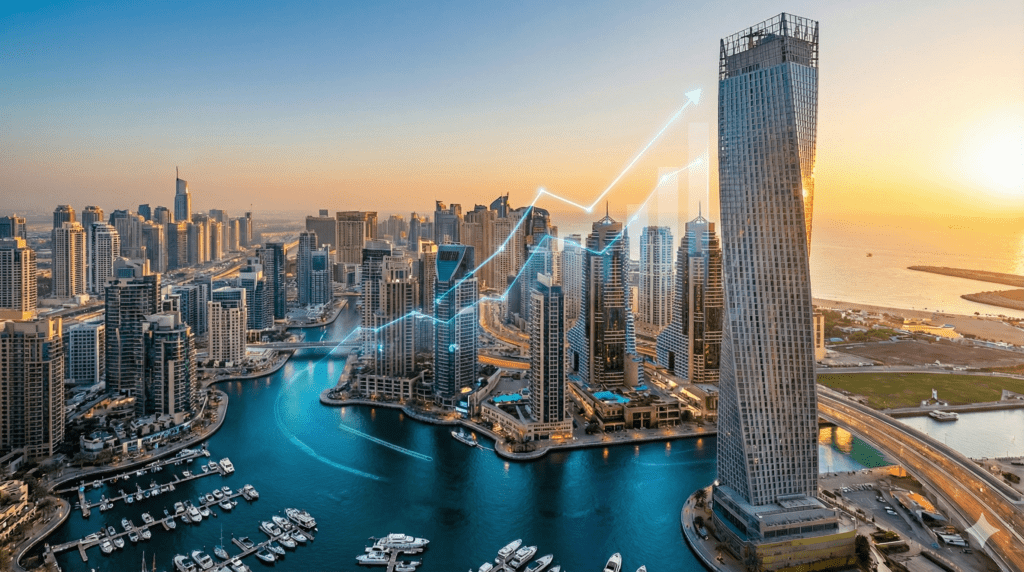
The residential real estate market in Dubai continues to stand out as one of the world’s most dynamic and investor-friendly property landscapes. With its blend of architectural innovation, pro-investor policies, world-class infrastructure, and exceptional quality of life, Dubai attracts buyers, residents, and long-term investors from across the globe. Whether you seek a luxury apartment with Burj Khalifa views, a family villa in a master-planned community, or a high-yield off-plan unit, the city offers diverse options suited to modern lifestyles.
This updated 2026 guide provides an accurate, comprehensive overview of the market’s structure, current trends, investment realities, and future outlook. It corrects common misconceptions and offers practical insights to help you make informed decisions in today’s more balanced environment.
Overview of Residential Real Estate in Dubai UAE
Over the past two decades, Dubai’s residential sector has transformed dramatically, guided by visionary plans such as the Dubai 2040 Urban Master Plan. This initiative emphasises sustainable growth, expanded green spaces, enhanced connectivity, and improved livability while accommodating a growing population that now exceeds 4 million and is projected to reach 5.8 million by 2040.
The market encompasses a wide range of property types:
- High-rise apartments in prime urban districts
- Waterfront villas and townhouses in gated communities
- Branded residences linked to global hotel brands
- Serviced apartments and flexible co-living spaces
Key hotspots include Downtown Dubai, Dubai Marina, Palm Jumeirah, Jumeirah Village Circle (JVC), Dubai Hills Estate, and emerging areas like Dubai South and Dubai Islands. Each offers distinct lifestyles — from vibrant urban energy to serene family-oriented suburbs.
In 2025, the market recorded over 205,000 residential transactions worth approximately AED 540 billion, with strong momentum carrying into early 2026. Off-plan sales continue to dominate (often 60-70% of volume), reflecting sustained investor confidence.
Key Features of the Dubai Residential Property Market
Several structural advantages make Dubai unique:
Freehold Ownership for Foreign Investors
Non-UAE nationals can own property outright in designated freehold zones — a policy introduced in the early 2000s that has driven international capital inflows.
High-Quality Infrastructure
World-class roads, an expanding metro network, smart-city integrations, and major projects like Al Maktoum International Airport expansion continue to boost property values.
Tax-Efficient Environment
Dubai remains highly attractive with no income tax on rental yields for most investors, no capital gains tax on residential sales, and no traditional annual property tax based on market value. However, owners must pay a municipal housing fee (collected via DEWA bills), calculated at 5% of the property’s annual rental value as assessed by RERA. For a typical apartment, this equates to AED 2,000–8,000+ per year — a modest recurring cost that funds city services but is far lower than property taxes in most global cities.
Diverse Property Options and Strong Rental Demand
From studios to ultra-luxury penthouses and villas, the market caters to all segments. Average gross rental yields in 2026 stand at approximately 6.5–7% overall (apartments often 7–8%, villas around 5%), among the highest in major international cities.
Types of Residential Properties in Dubai
Apartments
dominate the skyline, especially in Business Bay, Dubai Marina, and Downtown. They range from affordable entry-level units to branded luxury towers with premium amenities like infinity pools and concierge services.
Villas and Townhouses
appeal to families seeking space and privacy. Master communities such as Arabian Ranches, Dubai Hills Estate, and Palm Jumeirah provide landscaped gardens, schools, parks, and 24/7 security.
Branded Residences
developed in partnership with names like Armani, Bulgari, or Four Seasons — redefine ultra-luxury living with hotel-style services.
Off-Plan Properties
remain popular due to flexible 50/60/70 payment plans spread over 2–4 years, often delivering strong capital appreciation upon handover.
Strategic Locations for Residential Living
Urban Core (Downtown Dubai, Business Bay):
Ideal for professionals — proximity to Burj Khalifa, Dubai Mall, and metro. High demand supports solid resale values.
Waterfront Communities (Dubai Marina, Palm Jumeirah, Dubai Islands):
Scenic views, beach access, and vibrant dining scenes attract both residents and short-term rental investors.
Family-Oriented Suburbs (JVC, Al Furjan, Dubai Hills Estate):
More affordable entry prices, excellent schools, parks, and community facilities. These areas often deliver the strongest rental yields (7–9% in JVC and similar districts).
Emerging Growth Corridors (Dubai South, Dubai South):
Linked to airport and logistics expansion, these offer long-term appreciation potential at lower price points.
Investment Potential in Residential Real Estate Dubai UAE
Dubai’s residential market offers solid long-term potential, underpinned by continuous population growth, strong rental demand, government incentives (including the Golden Visa), and infrastructure expansion.
However, 2026 marks a shift to a more balanced and sustainable phase. After double-digit price gains in 2024–2025 (12–22% in prime segments), analysts forecast moderated appreciation: typically 3–5% overall for the full year (prime segments around 3%, mainstream closer to 1–3%). Some reports project up to 5–8% in high-demand micro-locations, while others note possible stabilisation or slight corrections in oversupplied segments.
Key positives:
- Off-plan still drives 60–70% of transactions with flexible payments and future appreciation.
- Villas continue outperforming apartments in many areas due to limited supply.
- Rental demand remains robust, supporting yields of 6.5–8%.
Role of Leading Developers
Dubai’s skyline and communities are shaped by trusted names known for innovation and delivery:
- Emaar Properties — creators of Downtown Dubai, Dubai Hills Estate, and iconic landmarks.
- DAMAC Properties — leaders in luxury and branded residences.
- Nakheel — masters of waterfront developments like Palm Jumeirah.
- Sobha Realty — renowned for premium quality and timely handovers.
These developers maintain strong track records, offering buyer confidence through RERA regulation.
Lifestyle Benefits of Living in Dubai
Residents enjoy unmatched amenities: modern gyms, pools, retail, entertainment, and green spaces within most communities. Dubai consistently ranks among the world’s safest cities, with low crime and excellent healthcare and education options.
The multicultural environment — home to over 200 nationalities — fosters inclusivity. World-class airports and transport links provide seamless global connectivity.
Emerging Trends in Dubai Residential Real Estate 2026
Smart Homes and Technology:
Integrated AI systems, energy-efficient designs, and app-controlled amenities are standard in new projects.
Sustainable Developments:
Eco-friendly communities with solar power, green spaces, and wellness-focused planning align with Dubai 2040 goals.
Off-Plan and Flexible Living:
Payment plans and co-living concepts suit young professionals and digital nomads.
Branded and Wellness Residences:
Rising demand for properties offering hotel-style services and health-focused facilities.
Legal Framework and Buyer Protection
Dubai’s transparent regulatory system, overseen by the Dubai Land Department (DLD) and Real Estate Regulatory Agency (RERA), protects buyers through:
- Mandatory escrow accounts for off-plan purchases
- Strict developer registration and compliance rules
- Clear title deed issuance and ownership laws
These measures minimise risks and maintain high levels of investor trust.
The Buying Process and Additional Costs in 2026
Buying in Dubai is straightforward for foreigners in freehold areas:
- Select property and sign Memorandum of Understanding (MOU).
- Pay deposit (usually 10–20%).
- Complete due diligence and obtain No Objection Certificate (NOC) if required.
- Transfer at DLD office and receive title deed.
Typical additional costs (beyond purchase price):
- DLD registration/transfer fee: 4% of purchase price (often paid fully by buyer, though negotiable to split).
- Agent commission: Up to 2% + VAT.
- Mortgage fees (if financed): 0.25% registration + bank processing.
- Service charges: AED 13–28 per sq ft annually for apartments (lower for villas).
- Municipal housing fee: As noted earlier (recurring via DEWA).
Total upfront extras typically range 7–10% of purchase price for cash buyers. Financing is available up to 75–80% for residents.
Future Outlook of Residential Real Estate Dubai UAE
The 2026 outlook is positive but realistic. The market is maturing into a more sustainable phase with moderated price growth, strong absorption of new supply thanks to population increases, and continued demand for quality properties.
Dubai’s long-term vision — smart-city expansion, mega-infrastructure, and global appeal — ensures residential real estate will remain a cornerstone of the economy. Prime locations, villas in established communities, and well-chosen off-plan projects from reputable developers are expected to deliver the best risk-adjusted returns through 2030 and beyond.
While rapid double-digit gains are unlikely in the near term, the combination of high rental yields, capital preservation potential, and lifestyle advantages keeps Dubai among the top global destinations for property ownership.
Conclusion
Dubai’s residential real estate market in 2026 offers the perfect balance of luxury, innovation, investment potential, and livability. From iconic skyscrapers to peaceful suburban villas, the city provides options for every buyer profile.
With a robust legal framework, world-class infrastructure, and a clear long-term growth trajectory — tempered by realistic 2026 moderation — Dubai continues to position itself as a global leader. Whether you are a first-time buyer, family relocating, or seasoned investor, the opportunities here remain vast and future-focused.
For personalised advice, always consult licensed agents, review the latest DLD data, and verify current yields and fees before proceeding. Dubai’s property market rewards informed, patient investors who focus on quality and fundamentals.
