
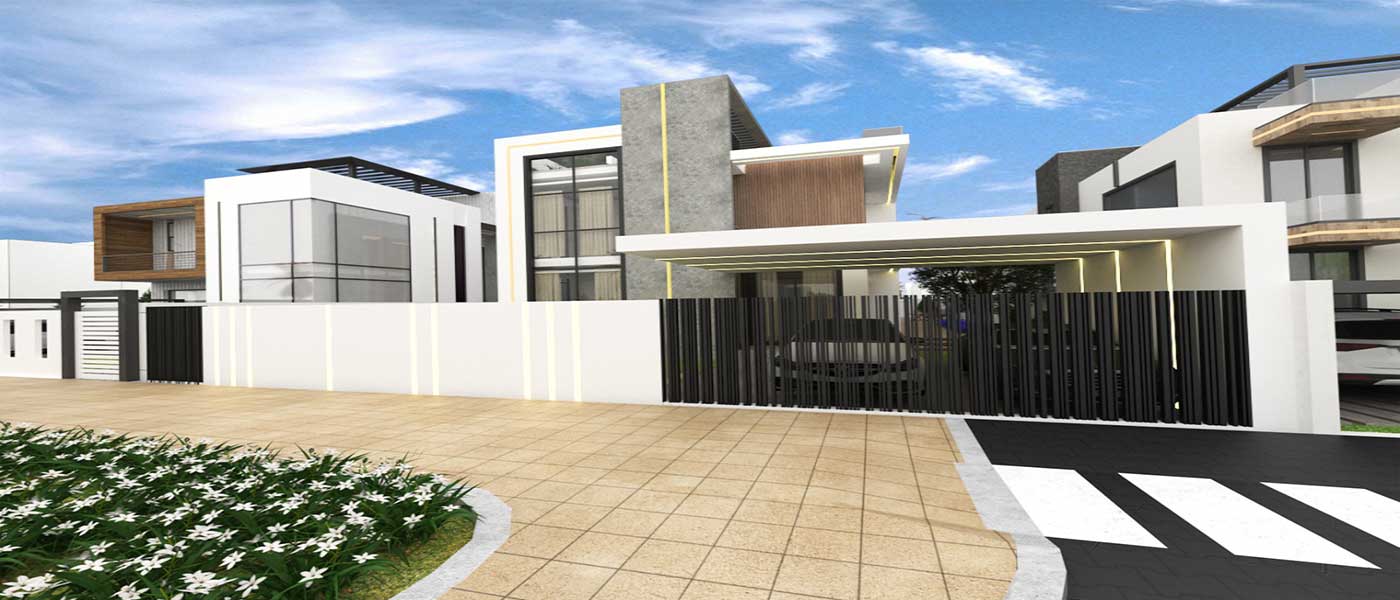
Dubai, a global hub of innovation, culture, and economic growth, continues to captivate homebuyers and investors with its diverse residential villa offerings. As of February 2026, the city's real estate market remains robust, driven by sustained demand from expatriates, high-net-worth individuals, and families seeking spacious, high-quality homes. From the iconic waterfronts of Palm Jumeirah to emerging green communities like Dubai Hills Estate and Al Barari, Dubai's villas blend luxury, modern amenities, and strategic locations. However, with market trends shifting toward stabilization after years of rapid post-pandemic growth, it's essential to approach purchases with a realistic perspective.
This updated blog explores the best residential villas for sale in Dubai, incorporating the latest market data for 2026. We'll highlight key features, benefits, potential drawbacks, and investment opportunities, while addressing common misconceptions. Whether you're eyeing a family residence, a rental income generator, or a long-term asset, understanding the current landscape— including moderated price growth and competitive yields—is crucial for informed decisions.
Why Buy Residential Villas in Dubai in 2026?
Investing in a Dubai villa is often more than a financial decision; it's about embracing a lifestyle of comfort, security, and convenience. However, the market has evolved, and buyers should weigh both advantages and challenges based on recent trends.
Exclusive Lifestyle
Dubai villas epitomize privacy and opulence, with many in gated communities offering 24/7 security, landscaped gardens, and resort-like facilities. Residents enjoy a serene escape from urban hustle, ideal for families or those prioritizing wellness. That said, high service charges—typically AED 10,000 to 30,000 annually for maintenance and amenities—can add up, impacting overall affordability.
Prime Locations
The city's villa neighborhoods provide easy access to business districts, schools, and leisure spots. Established areas like Palm Jumeirah offer beachfront views, while newer developments emphasize sustainability and green spaces. Proximity to infrastructure, such as the expanded metro and highways, enhances appeal. However, traffic congestion in central zones and occasional environmental concerns, like coastal erosion, are worth noting.
Capital Appreciation
Historically, Dubai villas have delivered strong value growth, with prices rising about 14% in 2025 for villas, outpacing apartments. In 2026, forecasts suggest moderated appreciation: 0-3% overall in a stable market, but up to 15-20% in high-demand areas like Al Barari and DAMAC Hills, driven by limited supply and lifestyle demand. This shift reflects increased supply and a move toward a more balanced cycle, so expect organic rather than explosive gains.
World-Class Amenities
Villas often feature private pools, smart home systems, and community perks like golf courses, gyms, and parks. In 2026, sustainability features—such as solar panels and energy-efficient designs—are increasingly common, aligning with Dubai's green initiatives. Communities provide family-oriented facilities, but buyers should verify ongoing costs, as amenities can drive up annual fees.
Tax and Regulatory Benefits
Dubai remains investor-friendly with no annual property taxes, no capital gains tax on residential sales for individuals, and no income tax on rental earnings. However, a one-time 4% Dubai Land Department (DLD) transfer fee applies (often borne by the buyer), plus a monthly "housing fee" equivalent to 5% of the property's rental value, billed via utilities. Corporate buyers face a 9% corporate tax on profits since 2023, but this doesn't affect most individuals.
In summary, villas suit those seeking space and privacy, but factor in total ownership costs (5-9% of purchase price upfront, plus recurring fees) and market stabilization for a realistic outlook.
Best Areas to Buy Residential Villas in Dubai in 2026
Dubai's villa market spans established icons and emerging hotspots. Based on 2026 data, demand focuses on family-friendly, green communities with strong infrastructure. Here's an updated selection, including pros, cons, and average prices (in AED):
Palm Jumeirah
This palm-shaped island remains a luxury benchmark with beachfront villas offering sea views and direct access to resorts. In 2026, it's popular for its nightlife proximity and exclusivity. Average 4-bedroom villa price: 15-30 million. Rental yield: ~5%. Pros: Prestigious, high resale value. Cons: High service fees, potential erosion issues.
Dubai Hills Estate
Centered around an 18-hole golf course, this Emaar development offers lush landscapes and central access. It's ranked as Dubai's top overall villa community in 2026 for its balance of luxury and family living. Average 4-bedroom villa: 6.5-9 million. Yield: ~5%. Pros: Green spaces, schools nearby. Cons: Traffic during peak hours.
Arabian Ranches
A suburban favorite with parks and trails, ideal for families. In 2026, it's projected for 15-20% appreciation due to demand. Average 4-bedroom: 4-6 million. Yield: 3.91-5%. Pros: Community vibe, affordability. Cons: Farther from city center.
Emirates Hills
Dubbed Dubai's "Beverly Hills," it features opulent villas overlooking golf courses. High-net-worth appeal persists in 2026. Average 5-bedroom: 20-40 million. Yield: 2.5-4%. Pros: Exclusivity. Cons: Premium pricing limits liquidity.
Jumeirah Golf Estates
Golf-centric with modern villas. Strong for enthusiasts, with stable demand. Average 4-bedroom: 5-8 million. Yield: ~5%. Pros: Scenic views. Cons: Niche appeal.
Emerging Areas: Al Barari and DAMAC Hills
Al Barari leads 2026 forecasts with 15-20% gains, thanks to privacy and upgrades. Average villa: 10-15 million. DAMAC Hills offers golf and family amenities, with similar growth potential. Pros: Higher appreciation. Cons: Developing infrastructure.
Palm Jebel Ali and Dubai South
Newer developments like Palm Jebel Ali promise ultra-luxury beachfronts, while Dubai South focuses on affordability near the airport. Average prices: 5-10 million. Yields: 6-7%. Pros: Future-proof. Cons: Construction timelines.
These areas reflect a mix of stability and growth, with villas comprising 7% of 2025 transactions but 14% price rises.
Types of Residential Villas in Dubai
Dubai's villas come in varied styles, accommodating different tastes and needs. Common types include:
Contemporary Villas
Modern designs with open plans, large windows, and smart tech. Energy-efficient features are standard in 2026. Ideal for minimalists. Examples: In Dubai Hills.
Mediterranean-Style Villas
Warm tones, courtyards, and gardens evoke relaxation. Popular in family areas like Arabian Ranches.
Arabian-Style Villas
Cultural elements like arches and tiles. Spacious for large families, found in District One.
Custom-Built Villas
Tailored designs allow personalization. Emerging trends include sustainable materials. Pros: Unique. Cons: Higher costs and timelines.
Additional Variants: Semi-Detached and Waterfront
Semi-detached offer affordability with shared walls; waterfront add pools and views. Larger 4+ bedroom units dominate 2025 sales (62%).
The Buying Process for Residential Villas in Dubai
As a foreigner, buying in freehold areas is straightforward, but plan for 5-9% additional costs.
- Property Search : Use sites like Property Finder or agents. Focus on RERA-registered pros.
- Viewing and Due Diligence : Inspect condition; check for liens via DLD app.
- Making an Offer : Negotiate; 2026 is a buyer's market in some segments.
- Memorandum of Understanding (MOU) : Outline terms, pay 10% deposit.
- No Objection Certificate (NOC) : From developer (AED 500-5,000).
- Sale and Purchase Agreement (SPA) : Sign, pay balance. Include agent fee (2% + VAT).
- Transfer : At DLD; pay 4% fee, title deed (AED 250+), trustee fee (AED 2,000-4,000 + VAT).
- Mortgage (if applicable) : 4-5% rates; add 0.25% registration.
Investment Potential of Residential Villas in Dubai in 2026
Villas offer solid potential, but 2026 emphasizes balance. Rental yields average 4-6% for villas (lower than apartments' 6-8%), with top areas like Al Furjan at 4.91%. Rents stabilize after 2025 growth, with 6% increases expected in supply-constrained spots.
Capital growth: 15-20% in prime villas, but citywide moderation due to 25% more projects. Combined ROI: 10-13% possible. Risks: Oversupply, economic shifts. Diversify with property management for passive income.
Conclusion
In 2026, Dubai's villas blend timeless luxury with evolving market realities, offering lifestyle and investment value. From established enclaves to emerging gems, options abound for discerning buyers. With realistic yields, moderated growth, and transparent processes, Dubai remains attractive—provided you account for costs and risks. Consult experts for tailored advice in this dynamic market.
