
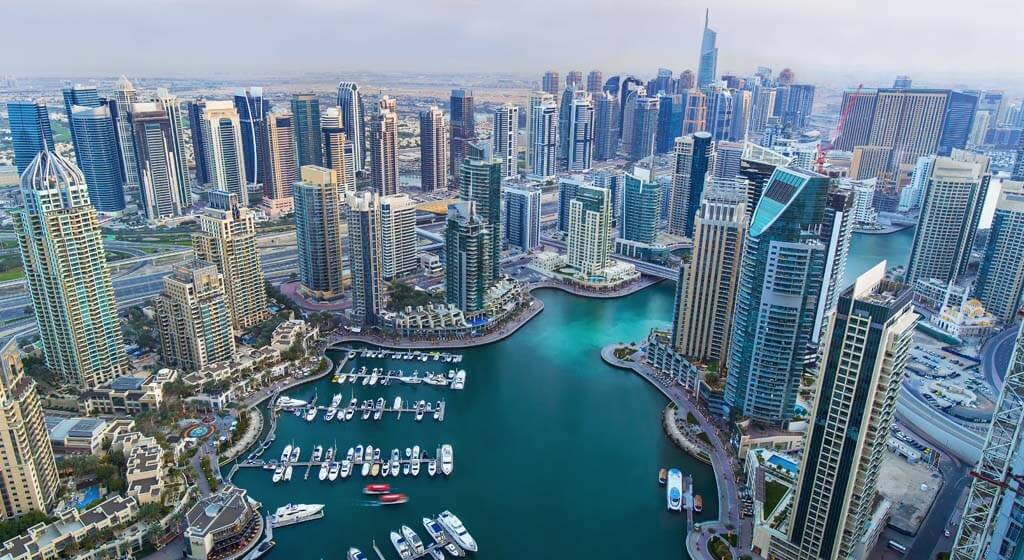
Dubai continues to rank among the world’s most attractive destinations for foreign real estate investors. Its strategic location, diversified economy, tax-free environment, and world-class infrastructure create strong opportunities across luxury, mid-market, and high-yield segments. In 2026, the market offers a mix of steady rental income and long-term capital appreciation potential, though investors should approach it with realistic expectations amid moderating growth and upcoming supply.
This guide explores why Dubai remains compelling, the best areas and property types for foreigners, key legal considerations, and practical tips to invest successfully.
Why Invest in Dubai Real Estate in 2026?
Dubai’s real estate market has shown resilience, supported by strong foreign investment, population growth, and ongoing infrastructure development. Several fundamental advantages make it appealing:
Tax-Free Environment:
There is no capital gains tax, inheritance tax, or personal income tax on rental income. This significantly boosts net returns compared to many global markets.
Competitive Rental Yields:
Dubai offers some of the stronger yields globally, with an average around 6.5–7.5% for apartments in 2026. Affordable and mid-market areas often deliver 7–9%, while prime luxury locations typically range from 5–7%. These figures remain attractive versus major cities like London or New York (often 3–5%).
100% Foreign Ownership:
Foreign investors can enjoy full freehold ownership in designated areas without needing a local sponsor or partner.
Robust and Diversified Economy:
Tourism, trade, finance, logistics, and technology sectors continue to drive demand for both residential and commercial space. The city’s stable governance and visionary projects further support long-term value.
While 2025 saw record transaction volumes, 2026 is expected to bring more measured growth with increased supply in certain segments. This creates opportunities for selective buyers who focus on quality locations and reputable developers.
Best Areas for Foreign Investors in 2026
Location remains the most critical factor for rental demand, capital growth, and resale liquidity. Here are some of the strongest performing areas for foreign buyers:
Dubai Marina
This vibrant waterfront community offers luxury apartments and penthouses with excellent sea views, marina access, and lively amenities. It attracts both long-term expats and short-term tourists, supporting solid rental demand. Yields typically hover around 6–7%, with good liquidity due to its established popularity.
Palm Jumeirah
The iconic man-made island remains a symbol of luxury, featuring high-end villas, apartments, and beachfront properties. It appeals to affluent buyers seeking exclusivity and strong long-term capital appreciation. While yields are lower (around 5–6%), the prestige and limited supply make it ideal for wealth preservation.
Downtown Dubai
Home to the Burj Khalifa, Dubai Mall, and major cultural attractions, this central district delivers a mix of residential and commercial opportunities. Demand stays consistently high from professionals and visitors. Yields average 5.5–6.5%, balanced by excellent connectivity and landmark status.
Dubai Hills Estate
This master-planned community stands out for families and high-net-worth individuals with its parks, golf course, and modern amenities. It combines suburban tranquility with city access, offering good appreciation potential as the area matures. Yields are typically in the 6% range.
Jumeirah Village Circle (JVC)
JVC provides one of the best entry points for foreign investors seeking high rental yields. Its central location, proximity to major roads, schools, and entertainment hubs makes it popular with expatriates. Apartments and townhouses here often deliver yields of 7–8.5%, with relatively affordable pricing and steady demand.
Emerging areas worth monitoring in 2026 include Dubai Creek Harbour (for long-term waterfront growth), Dubai South, and Emaar Beachfront, which benefit from new infrastructure and development momentum.
All the above areas are designated freehold zones, allowing 100% foreign ownership.
Types of Properties Suitable for Foreign Investors
Your choice of property should align with your goals—whether prioritizing rental income, capital growth, or lifestyle.
Luxury Villas
Properties in Palm Jumeirah, Emirates Hills, or Dubai Hills Estate offer prestige, privacy, and strong long-term appreciation. They suit high-net-worth investors focused on wealth preservation, though rental yields are generally lower than apartments.
Apartments
The most popular choice for foreigners, especially in Dubai Marina, Downtown Dubai, Business Bay, and JVC. They provide consistent rental returns from expats and tourists, with options for both long-term leases and short-term (Airbnb-style) rentals in permitted buildings.
Off-Plan Properties
Buying off-plan (properties still under construction) remains popular in 2026 due to lower entry prices, flexible payment plans spread over 2–5 years, and potential for capital gains upon completion. Many reputable developers offer incentives such as DLD fee waivers. However, risks include construction delays, quality variations, and possible market corrections at handover due to increased supply. Always choose RERA-registered projects from established developers like Emaar, DAMAC, or Nakheel.
Commercial Properties
Office spaces, retail units, or warehouses in districts like DIFC, JLT, or Downtown Dubai allow portfolio diversification. They benefit from Dubai’s thriving business environment but require deeper market knowledge and may involve different yield and risk profiles.
Legal Considerations for Foreign Investors
Understanding the rules helps ensure smooth transactions:
Freehold Areas:
Foreigners can purchase and own property outright in approved freehold zones (including all areas mentioned above). Ownership rights include the ability to sell, rent, or pass the property to heirs.
Financing Options:
Non-residents can obtain mortgages from UAE banks. Down payments typically range from 35–40% for non-residents (sometimes 25–50% depending on the bank, property type, and buyer profile). Ready properties from established developers often attract better terms than off-plan. Interest rates and eligibility vary, so compare multiple banks.
Residency Visa Benefits:
- Investing in a completed property valued at AED 750,000 or more qualifies you for a 2-year renewable investor residency visa. Multiple properties can be combined to meet the threshold.
- For mortgaged properties, at least 50% must usually be paid (or equivalent equity shown) with a bank No Objection Certificate.
- A higher investment of AED 2 million or more in real estate can open pathways to longer-term options, such as the 5- or 10-year Golden Visa (exact duration depends on the specific program and emirate rules).
Dubai Land Department (DLD):
All transactions must be registered with the DLD. This official process protects ownership rights and records the transfer legally.
Transaction Costs to Budget For: Expect additional costs of approximately 6–8% on top of the purchase price. This typically includes the 4% DLD transfer fee (often paid by the buyer), 2% agency commission, title deed issuance, and minor admin fees. There is no annual property tax.
Practical Tips for Foreign Investors
Conduct Thorough Research:
Analyze current market trends, rental demand, and future infrastructure plans. Work with a licensed real estate agent and consider independent valuations.
Select the Right Property Type and Location:
Match your investment horizon and risk tolerance. High-yield areas like JVC suit income-focused investors, while Palm Jumeirah or Dubai Creek Harbour better suit capital growth seekers.
Prioritize Reputable Developers:
Choose established names such as Emaar, DAMAC, Meraas, or Nakheel. They generally have stronger track records for on-time delivery and quality.
Plan for Total Costs and Exit Strategy:
Include all fees in your calculations. Consider liquidity—prime and established areas usually offer better resale options.
Seek Professional Advice:
Consult a qualified lawyer, financial advisor, or mortgage consultant familiar with non-resident rules. Rules can evolve, so verify the latest requirements directly with the DLD or official government portals.
Conclusion
Dubai’s real estate market in 2026 continues to offer compelling opportunities for foreign investors, combining tax advantages, attractive yields, and growth potential in a dynamic global hub. From high-yield apartments in JVC to luxury villas on the Palm or strategic off-plan investments in emerging districts, there are options suited to different budgets and goals.
Success depends on informed decision-making: focus on location, developer credibility, realistic yield expectations, and a clear understanding of costs and risks. While the market is maturing and supply pressures exist in some segments, Dubai’s fundamentals—strategic location, business-friendly policies, and continuous development—support its long-term appeal.
