
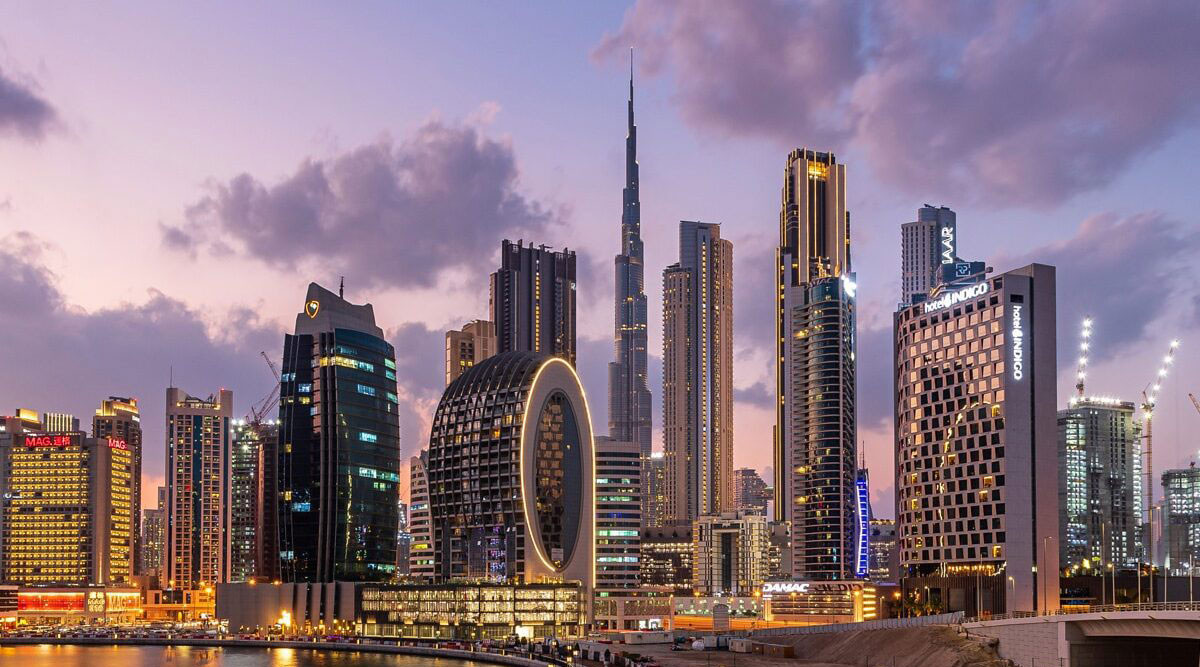
The UAE real estate market in 2025 is poised for continued growth, driven by a combination of strong investor interest, government policies, and shifting lifestyle preferences. As the demand for residential, commercial, and luxury properties increases, the market is evolving with new trends, particularly in Dubai, Abu Dhabi, and Sharjah. This blog delves into the major trends that are shaping the UAE property market, including the growth in luxury and off-plan properties, the rise of sustainable developments, and the impact of government initiatives like the Golden Visa program.
Dubai Real Estate Market
Dubai remains the frontrunner in the UAE’s real estate market, attracting both international and local investors. With a combination of cosmopolitan appeal, world-class amenities, and an investor-friendly environment, Dubai continues to dominate the real estate landscape. Prime locations such as Downtown Dubai, Dubai Marina, and Palm Jebel Ali are seeing high demand, particularly for luxury villas, penthouses, and waterfront properties. Additionally, Dubai’s off-plan properties continue to be a significant draw for investors, offering flexible payment plans and the potential for significant capital appreciation upon completion.
The Dubai government’s ongoing initiatives, including relaxed residency rules and the Golden Visa program, have made the city even more attractive to foreign investors. These incentives have contributed to the growth of master-planned communities, where integrated living spaces combine residential, retail, and recreational amenities.
Abu Dhabi Real Estate Market
Abu Dhabi’s real estate market is also experiencing a period of growth, particularly in the luxury and mixed-use developments sector. With increased focus on waterfront properties and community-oriented living, areas like Saadiyat Island, Yas Island, and Al Reem Island are seeing significant investment. The government’s push to allow foreign ownership in select areas has further fueled the growth of the property market in Abu Dhabi, making it a highly attractive investment destination.
In addition to high-end residential properties, the commercial real estate market in Abu Dhabi is expanding, with demand rising for office spaces and retail units in prime business hubs. Abu Dhabi’s real estate market is increasingly appealing to investors seeking long-term capital appreciation and rental yields.
Sharjah Property Market
Sharjah’s real estate market is gaining traction among investors seeking more affordable options compared to Dubai and Abu Dhabi. The demand for villas, especially in areas like Al Tai and Muwailih, is on the rise, as families are attracted by the relatively lower property prices and family-friendly communities. Sharjah’s market is also benefiting from its proximity to Dubai, making it an attractive option for those looking to balance affordability with easy access to Dubai’s central business districts.
As Sharjah’s economy diversifies, its commercial real estate market is also expanding. Demand for office space and commercial units is rising, driven by the growth of new businesses and the city’s expanding industrial and commercial sectors.
Emerging Trends in Property Types
As the UAE property market continues to evolve, several emerging trends are gaining momentum. One of the key shifts is the increasing demand for luxury villas and penthouses, particularly among high-net-worth individuals (HNWIs) and international investors. Waterfront properties and branded residences are particularly sought after in Dubai and Abu Dhabi, where investors are looking for exclusivity and high returns on investment.
Another significant trend is the growing popularity of sustainable housing. Eco-conscious buyers are increasingly drawn to properties that feature energy-efficient systems, green certifications, and environmentally friendly designs. Developments that incorporate solar panels, smart lighting, and green spaces are becoming more desirable as buyers seek properties that align with their values.
Real Estate Investment Trends
Real estate investment in the UAE remains a lucrative option, with off-plan properties continuing to be a primary choice for investors. Off-plan developments offer a more affordable entry point and the potential for substantial capital gains as property prices rise upon completion. Investors are also attracted to the flexibility in payment plans offered by developers, making off-plan projects an appealing option for both local and international buyers.
In addition to off-plan properties, rental yields remain strong across the UAE, particularly in prime locations. Investors can expect rental yields between 5-7% in areas like Dubai Marina, Downtown Dubai, and Abu Dhabi’s Saadiyat Island. Real Estate Investment Trusts (REITs) and real estate funds are also gaining popularity as alternative investment vehicles, offering diversification and a more passive form of investment in the UAE property market.
Government Support & Foreign Ownership
The UAE government has played a pivotal role in shaping the property market through various initiatives aimed at stimulating investment. The Golden Visa program has allowed foreign investors to obtain long-term residency in the UAE, further boosting interest in property ownership. Additionally, the government’s decision to offer freehold property ownership to foreign investors in certain areas has opened up new avenues for international investment.
In addition to residency benefits, the UAE’s regulatory environment continues to support property investors. The government’s focus on infrastructure development, sustainable cities, and real estate transparency has made the country an attractive destination for long-term property investment.
Suburban Communities and Lifestyle Shifts
Another key trend in the UAE property market is the shift toward suburban living. Post-pandemic, more residents are opting for larger homes in master-planned communities that offer greater space, access to open areas, and a higher quality of life. Areas like Dubai Hills Estate, Al Furjan, and Jumeirah Village Circle have seen a rise in demand, with more families and young professionals looking for homes that offer a balance of privacy, community, and convenience.
These suburban communities are becoming increasingly popular due to their accessibility to the city center and the wide range of amenities, including schools, parks, and retail spaces. As a result, suburban living is seen as a viable option for those seeking more affordable properties in the UAE.
Conclusion
The UAE property market is expected to continue its upward trajectory in 2025, driven by government support, strong demand for luxury and off-plan properties, and growing interest in sustainable developments. Whether you're looking to invest in Dubai, Abu Dhabi, or Sharjah, the UAE offers a variety of opportunities for real estate investors. By staying informed about the latest market trends and key developments, you can make smart, long-term investment decisions that align with your financial goals.
