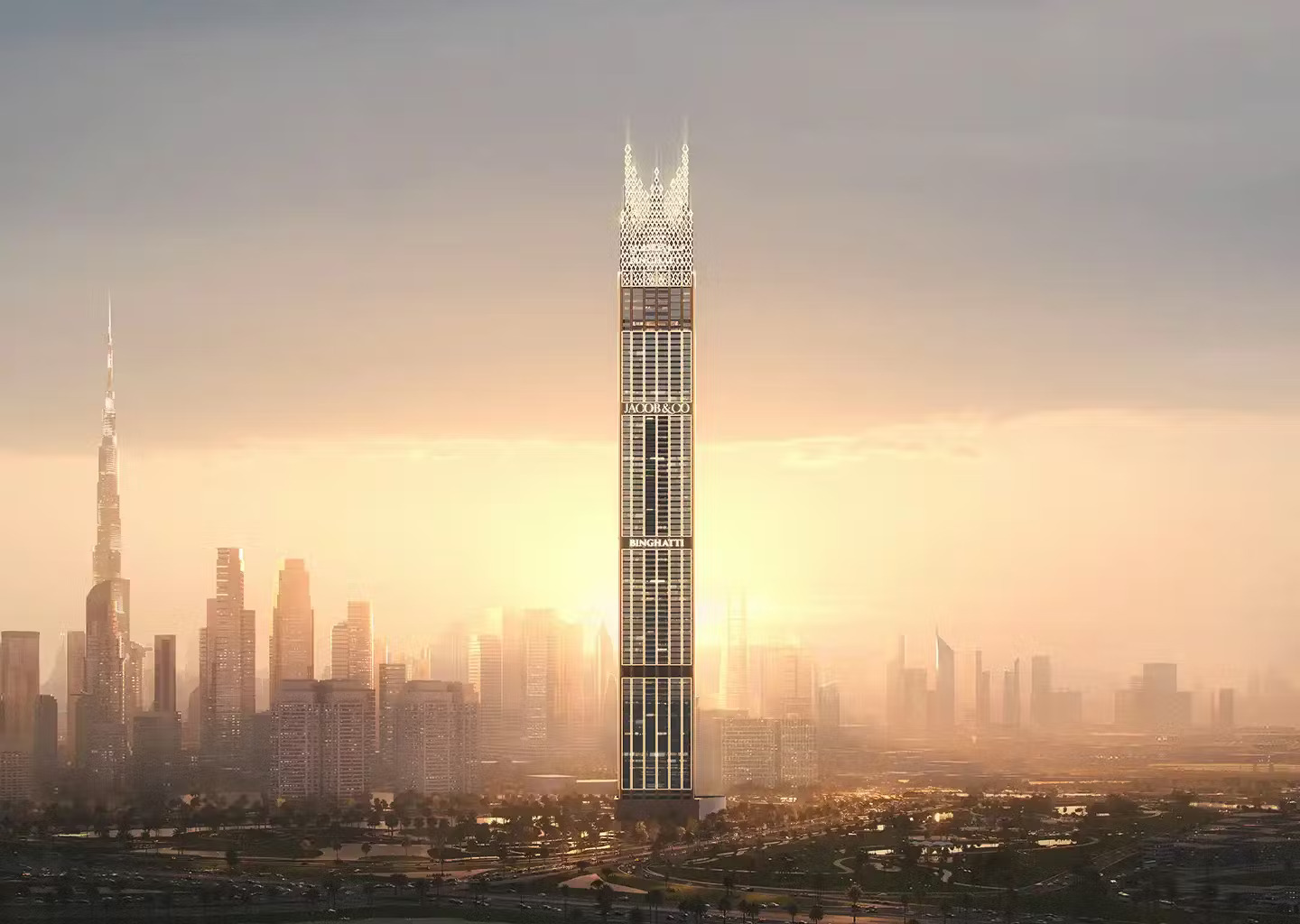
Dubai’s property market continues to evolve through new master-planned communities, waterfront neighbourhoods, branded residences, villa developments and mixed-use districts. For buyers and investors researching upcoming property projects in Dubai, the market offers a wide choice of homes designed around modern lifestyles, infrastructure growth and changing residential expectations.
Many new launches form part of larger destinations that combine homes with parks, retail, schools, wellness facilities, business zones and transport connections. This matters because long-term appeal often depends on the wider community rather than the residence alone.
Dubai Land Department reported continued year-on-year growth in transaction activity during the first quarter of 2026, reflecting sustained demand across the property sector. Meanwhile, the Dubai 2040 Urban Master Plan is guiding future growth towards integrated communities, improved mobility, expanded green spaces and better access to daily services. While these trends are positive, buyers should still approach each project with careful due diligence rather than assuming every new launch will automatically deliver strong results.
Why Upcoming Property Projects Attract Buyers
Upcoming property projects in Dubai appeal to different buyer profiles. End users may want a modern home in a future-ready neighbourhood, while investors may seek locations that could benefit from infrastructure improvements, community maturity and population growth. International buyers are also drawn to Dubai’s global connectivity, broad property selection and regulated real estate environment.
New developments may offer contemporary layouts, smart-home features, landscaped areas, fitness facilities and family amenities across apartments, penthouses, townhouses and villas.
However, a project should not be selected simply because it is new. Buyers must consider the developer’s record, construction schedule, master plan, unit efficiency, surrounding infrastructure, future supply and likely end-user demand. Many amenities highlighted in marketing material may still be under construction or only proposed, so realistic timelines and verified delivery status are essential.
Integrated Master Communities Are Shaping the Market
One of the strongest themes influencing upcoming property projects in Dubai is the rise of integrated master communities. These developments aim to create complete neighbourhoods where residents can live, work, exercise, shop and socialise without relying entirely on long daily journeys.
The Role of the Dubai 2040 Urban Master Plan
The Dubai 2040 Urban Master Plan places emphasis on integrated service centres, sustainable mobility and access to education, healthcare and recreation. It also identifies five principal urban centres and supports the “20-minute city” concept, where residents can reach much of what they need through walking, cycling or public transport.
Long-term demand may therefore favour communities with practical roads, public spaces, retail and transport access. A liveable neighbourhood is more likely to remain desirable than an isolated building. Investors should study the entire master plan carefully. Schools, parks, commercial spaces and transport links should be classified as operational, under construction or proposed rather than treated as equally certain. Delivery timelines can extend over several years, and temporary construction impacts are common in growing districts.
Dubai Islands and Future Waterfront Living
Waterfront communities remain central to Dubai’s property identity. Dubai Islands is one of the most closely watched emerging destinations, with five islands planned around residential, hospitality, leisure and beachfront experiences.
Nakheel’s official plans position Dubai Islands as a major coastal destination. Its residential pipeline includes Bay Grove Residences, Bay Villas and Rixos Hotel & Residences, with apartments, villas, townhouses and branded homes available across the wider master development.
Buyers should assess beach access, hospitality, road improvements, retail, open spaces, building density and future competing supply. While the master plan is ambitious, large parts of the infrastructure and community facilities are still being delivered. Prospective purchasers need to verify current construction progress and understand that full neighbourhood maturity may take time.
Dubai Creek Harbour and Connected Urban Living
Dubai Creek Harbour is another major destination for buyers considering upcoming property projects in Dubai. The community combines waterfront residences, promenades, retail areas and skyline views while maintaining access to central Dubai.
Emaar continues to feature Dubai Creek Harbour among its latest launch locations. New residential developments and the wider Dubai Square retail and entertainment concept are expected to support the district’s growth as a mixed-use waterfront community.
When comparing projects, buyers should study building orientation, view protection, promenade access, nearby construction and surrounding plots. As with other large master plans, ongoing development means that some views, access routes and amenities may change over time. Independent verification of the sales and purchase agreement against marketing materials is strongly recommended.
Expo City Dubai and the Southern Growth Corridor
The southern part of Dubai is becoming increasingly important within the city’s long-term development. Expo City Dubai is positioned as a future-focused urban centre combining homes, businesses, sustainability, culture, technology and public spaces.
Expo City’s residential districts include projects within Expo Valley, Expo Downtown and Expo Fields, alongside developments such as Sky Residences, Mangrove Residences and Sidr Residences. Its approach focuses on connecting residential, commercial and community functions within one planned destination.
The wider Dubai South corridor also benefits from its relationship with aviation, logistics, exhibitions, employment zones and major transport routes. Families may value lower-density neighbourhoods and larger homes, while investors may consider the area’s role in Dubai’s future economic expansion.
Selection should still be based on real demand, accessibility, developer strength and community delivery. Although the long-term vision is clear, buyers should confirm the current status of schools, retail, transport links and open spaces rather than relying solely on projected plans.
Family-Focused Villas and Townhouses
Many upcoming developments respond to demand for family homes beyond Dubai’s most densely built central districts. Villa and townhouse communities increasingly include green corridors, cycling routes, sports facilities, children’s areas and neighbourhood retail.
The Valley by Emaar
The Valley is an example of this expanding suburban model. Emaar describes it as a large residential destination along Dubai–Al Ain Road, with interconnected neighbourhoods, landscaped areas and family-focused facilities. The community remains part of the developer’s active launch pipeline.
These communities can suit families seeking space and privacy, while investors may favour locations with genuine end-user demand. Strong family communities require more than attractive landscaping. Buyers should consider school access, journey times, road capacity, healthcare, groceries and the long-term maintenance of shared facilities. In newer suburban locations, some of these supporting services may still be developing.
Branded Residences and Managed Lifestyles
Branded residences remain a visible category within upcoming property projects in Dubai. These developments may be linked to hotel groups, designers, architects or international lifestyle brands.
Their appeal often comes from distinctive design, concierge services, managed facilities and a recognisable identity. Nevertheless, branding should not replace property analysis. Buyers must review the management model, ownership costs, rental restrictions, residence density, service standards and practical quality of the unit. A recognised name can support desirability, but location, layout and long-term demand remain essential. Higher service charges and potential restrictions on short-term rentals are common considerations in this segment.
How to Evaluate an Upcoming Project
A disciplined evaluation process helps buyers avoid decisions based only on launch publicity. Important factors include:
- Developer history and completed-project quality
- Project registration and approval status
- Escrow account and payment documentation
- Master-plan quality and infrastructure delivery timelines
- Unit layout, orientation, usable space and view
- Construction timeline and handover terms
- Community management and future service structure
- Supply of similar properties in the area
- Rental demand, resale audience and liveability
Dubai Land Department provides project-status information, open real estate data and digital services that allow buyers to review registered developments and monitor construction progress. DLD also states that payments for off-plan units are deposited into project escrow accounts intended to regulate development and protect investor rights.
Buyers should compare marketing material with the official agreement, floor plan and specifications, and obtain appropriate professional advice before signing. Construction delays, changes to surrounding plots and evolving service charges are known risks in off-plan purchases and should be factored into any decision.
Choosing the Right Property Type
The correct unit depends on the buyer’s purpose. Compact apartments may suit professionals and investors targeting broad tenant demand. Larger apartments can serve families seeking an urban location without moving to a villa community.
Townhouses often balance space with shared community facilities, while standalone villas suit buyers prioritising privacy and long-term personal use. Penthouses and branded residences generally target a narrower luxury audience and require careful analysis of service standards and resale demand.
Layout quality is just as important as bedroom count. Natural light, storage, balcony usability, kitchen design, room privacy and efficient circulation all influence liveability and tenant appeal. Prospective buyers should visit show apartments or review detailed floor plans rather than relying only on marketing visuals.
Why Choose Noor Ishraq Real Estate
The number of upcoming property projects in Dubai can make comparison challenging. Noor Ishraq Real Estate supports buyers through curated listings, market guidance and project information intended to help clients make informed decisions. Its stated approach emphasises transparency, personalised service and verified opportunities across Dubai’s ready and off-plan markets.
An advisor can compare developers, locations and completion periods, then shortlist options according to lifestyle needs and investment objectives. Independent research and professional advice remain the foundation of any sound purchase decision.
Conclusion
Upcoming property projects in Dubai reflect the city’s shift towards connected, lifestyle-led and future-ready communities. Waterfront districts, suburban villa neighbourhoods, sustainable urban centres and branded residences each offer different benefits.
The best project is not necessarily the most heavily promoted launch. It is the development that combines a credible developer, practical location, efficient unit, realistic delivery plan and clear long-term demand. By reviewing official information, understanding the wider master plan, verifying the current status of amenities and seeking experienced guidance, buyers can approach Dubai’s next generation of property developments with greater confidence and clearer expectations.
